
Severe Weather Driving: Essential Tips for Beginners
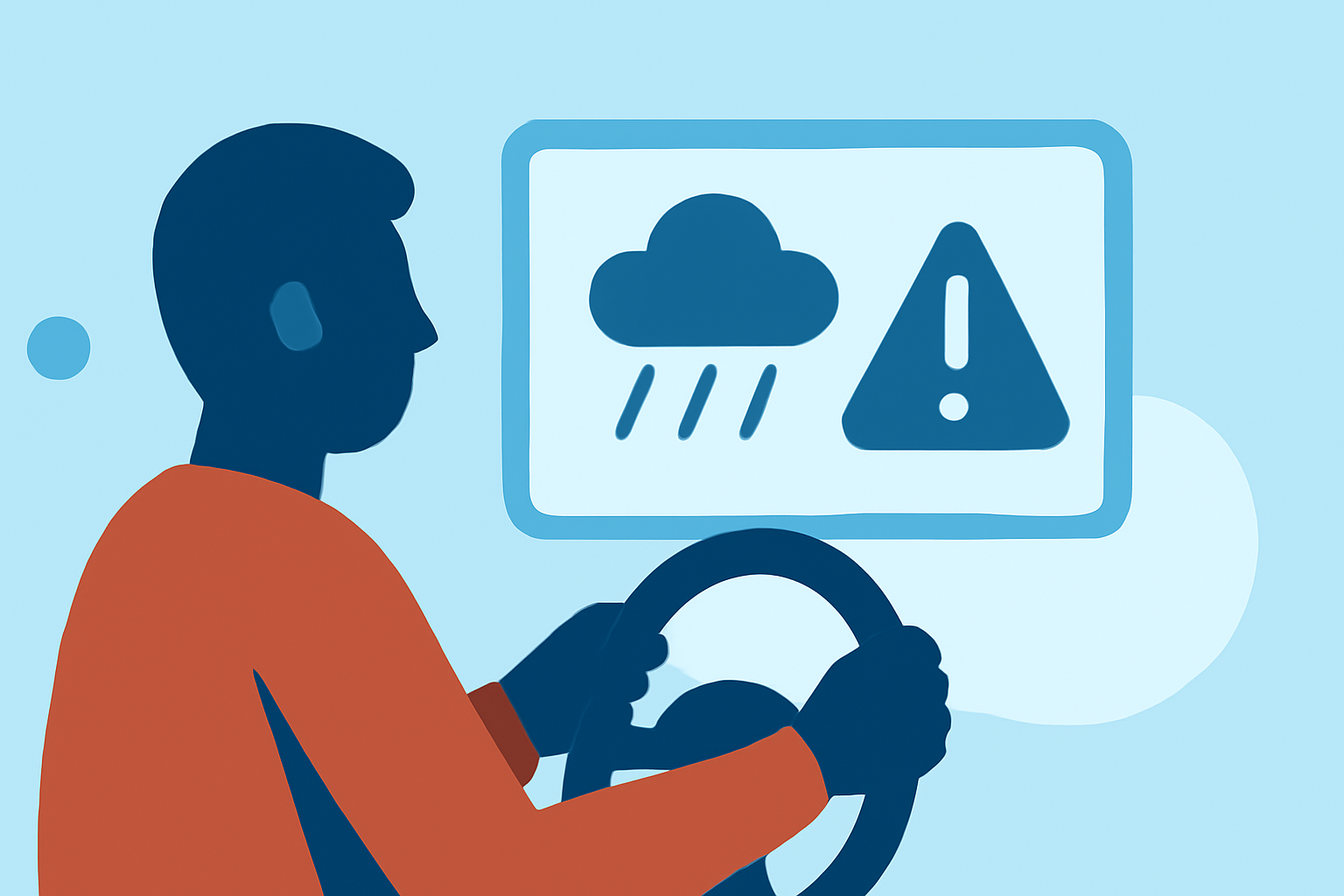
Driving in severe weather conditions can be challenging and dangerous, especially for beginners. Understanding how to prepare, maintain your vehicle, and navigate safely during adverse weather is crucial. This guide provides essential tips to help you drive confidently and safely in severe weather.
1. How Should I Prepare Before Driving in Severe Weather?
Preparation is key to ensuring safety during severe weather conditions. Here's how to get ready:
-
Plan Your Route: Before heading out, check the weather forecast and road conditions along your route. Stay informed about any road closures or hazards.
-
Stock Your Vehicle: Equip your car with an emergency kit that includes a flashlight, first aid supplies, non-perishable food, water, and a fully charged cell phone.
-
Maintain Your Vehicle: Ensure your vehicle is in good working condition. Regularly check tire pressure, fluid levels, and battery health. Proper maintenance reduces the risk of breakdowns during severe weather.
2. What Are the Key Driving Strategies in Adverse Weather?
Adapting your driving habits is essential when facing severe weather:
-
Reduce Speed: Slippery roads require slower speeds to maintain control. Increase your following distance to allow ample time to stop.
-
Avoid Flooded Areas: Never drive through flooded roads. It only takes 12 inches of rushing water to carry away most vehicles. If you encounter a flooded area, turn around and find an alternative route. (nhtsa.gov)
-
Use Headlights Wisely: In low visibility conditions, use your headlights to increase your visibility to other drivers.
3. How Can I Ensure My Vehicle Is Ready for Severe Weather?
Proper vehicle maintenance is vital for safe driving in adverse conditions:
-
Tires: Check tire pressure regularly, as it can drop with temperature changes. Ensure tires have adequate tread depth for better traction.
-
Windshield Wipers and Fluid: Replace wiper blades if they are worn and keep the windshield washer reservoir full with appropriate fluid.
-
Battery: Cold weather can reduce battery performance. Have your battery tested and replaced if necessary to prevent starting issues.
4. What Should I Do If I Become Stranded?
If you find yourself stuck during severe weather:
-
Stay Inside the Vehicle: Remain in your car to stay warm and conserve energy.
-
Signal for Help: Use your hazard lights to alert other drivers and rescuers.
-
Conserve Fuel: Run the engine intermittently to stay warm, but avoid prolonged idling to conserve fuel.
5. How Can I Stay Informed About Weather Conditions?
Staying updated on weather conditions is crucial:
-
Use Reliable Sources: Monitor weather updates from trusted sources, such as the National Weather Service, for the latest information.
-
Weather Apps: Utilize weather applications on your smartphone to receive real-time alerts and forecasts.
By following these guidelines, you can enhance your safety and confidence when driving in severe weather conditions. Always prioritize safety and make informed decisions to protect yourself and others on the road.
Highlights:
- Driving in Severe Weather | NHTSA
- Winter Weather Driving Tips: Prepare Your Vehicle | NHTSA
- 10 Safe Driving Tips for 2026 | NHTSA