
Essential Steps to Building a Comprehensive Severe Weather Emergency Kit
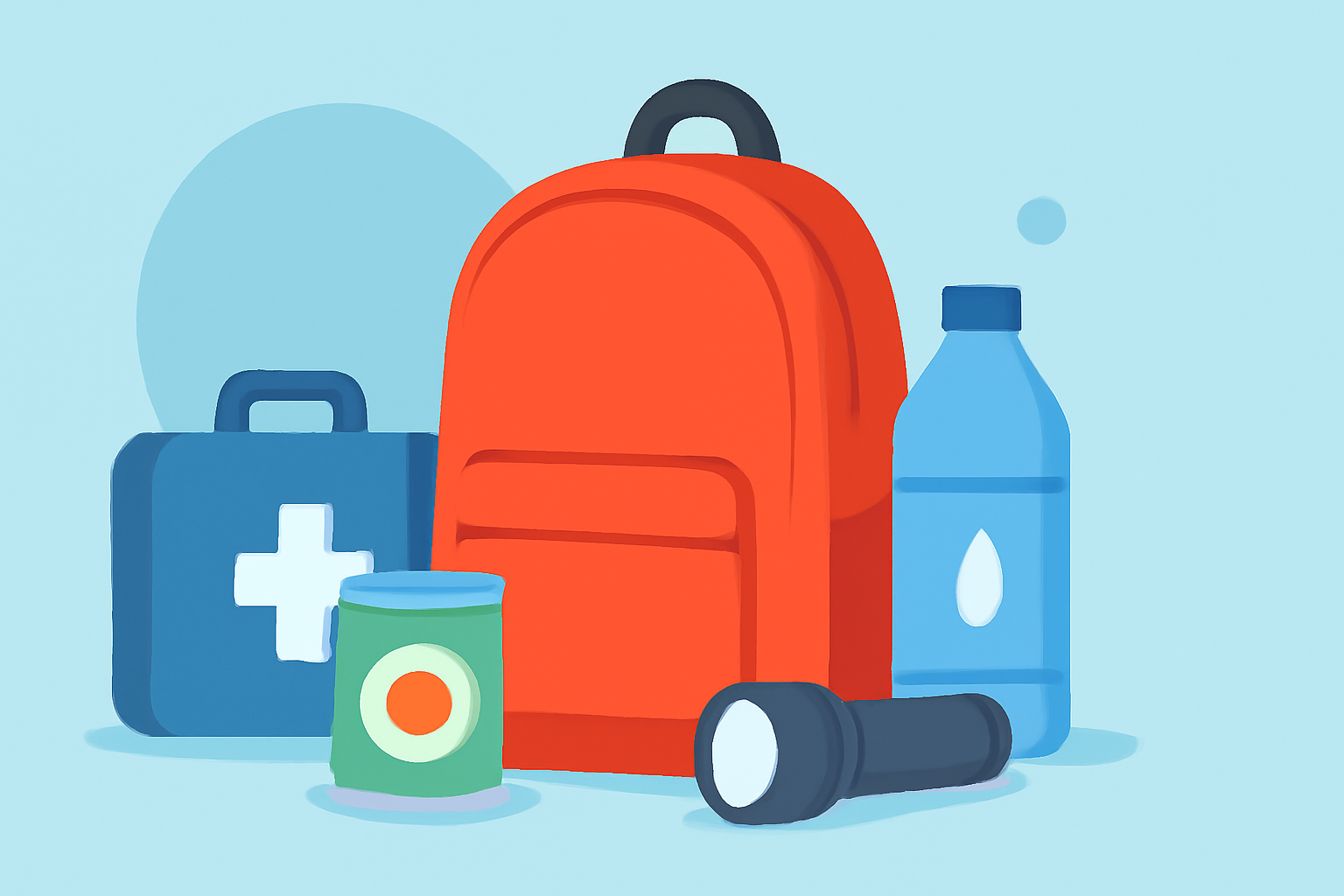
Severe weather events can strike unexpectedly, making it crucial to be prepared. Assembling a comprehensive emergency kit is a proactive step toward ensuring your safety and readiness.
What Should Be Included in an Emergency Kit?
An effective emergency kit should contain essential items to sustain you and your family for at least 72 hours. Key components include:
- Water: One gallon per person per day for drinking and sanitation.
- Food: A three-day supply of non-perishable, easy-to-prepare items.
- Battery-powered or hand-crank radio: Preferably a NOAA Weather Radio with tone alert.
- Flashlight: With extra batteries.
- First aid kit: Including necessary medications.
- Whistle: To signal for help.
- Dust mask: To help filter contaminated air.
- Plastic sheeting and duct tape: For sheltering in place.
- Moist towelettes, garbage bags, and plastic ties: For personal sanitation.
- Manual can opener: For food.
- Local maps: To navigate if needed.
- Cell phone with chargers and a backup battery.
These recommendations align with guidelines from the Federal Emergency Management Agency (FEMA). (fema.gov)
How Do I Tailor My Kit to Specific Needs?
Consider the unique requirements of your household when customizing your emergency kit:
- Medications: Ensure a seven-day supply of prescription and over-the-counter medications.
- Infant and child needs: Include formula, bottles, diapers, and toys.
- Pet supplies: Pack food, water, and any necessary medications for pets.
- Important documents: Store copies of insurance policies, identification, and bank account records in a waterproof container.
- Cash: Have small bills available, as ATMs may be inoperable.
These considerations are recommended by FEMA to ensure comprehensive preparedness. (fema.gov)
How Do I Maintain My Emergency Kit?
Regular maintenance of your emergency kit is essential:
- Check expiration dates: Replace expired items promptly.
- Update supplies: Adjust the kit as your family's needs change.
- Store properly: Keep the kit in a cool, dry place and ensure all items are easily accessible.
FEMA advises that maintaining an up-to-date kit is vital for effective emergency response. (fema.gov)
How Can I Stay Informed About Severe Weather?
Staying informed is crucial during severe weather events:
- NOAA Weather Radio: Provides continuous broadcasts of official Weather Service information.
- Mobile apps: Utilize weather apps for real-time updates.
- Local news: Monitor local news outlets for the latest information.
These sources are recommended by FEMA to keep you informed during emergencies. (fema.gov)
How Does Clime Support Emergency Preparedness?
Clime offers advanced weather monitoring tools that provide real-time updates and alerts, enhancing your preparedness for severe weather events. By integrating Clime's services, you can receive timely notifications and detailed forecasts, aiding in effective decision-making during emergencies.
For a visual guide on assembling an emergency kit, you might find this video helpful: