
Severe Weather Evacuation Plans: Step-by-Step in the Car
September 6, 2023 · The Clime Team
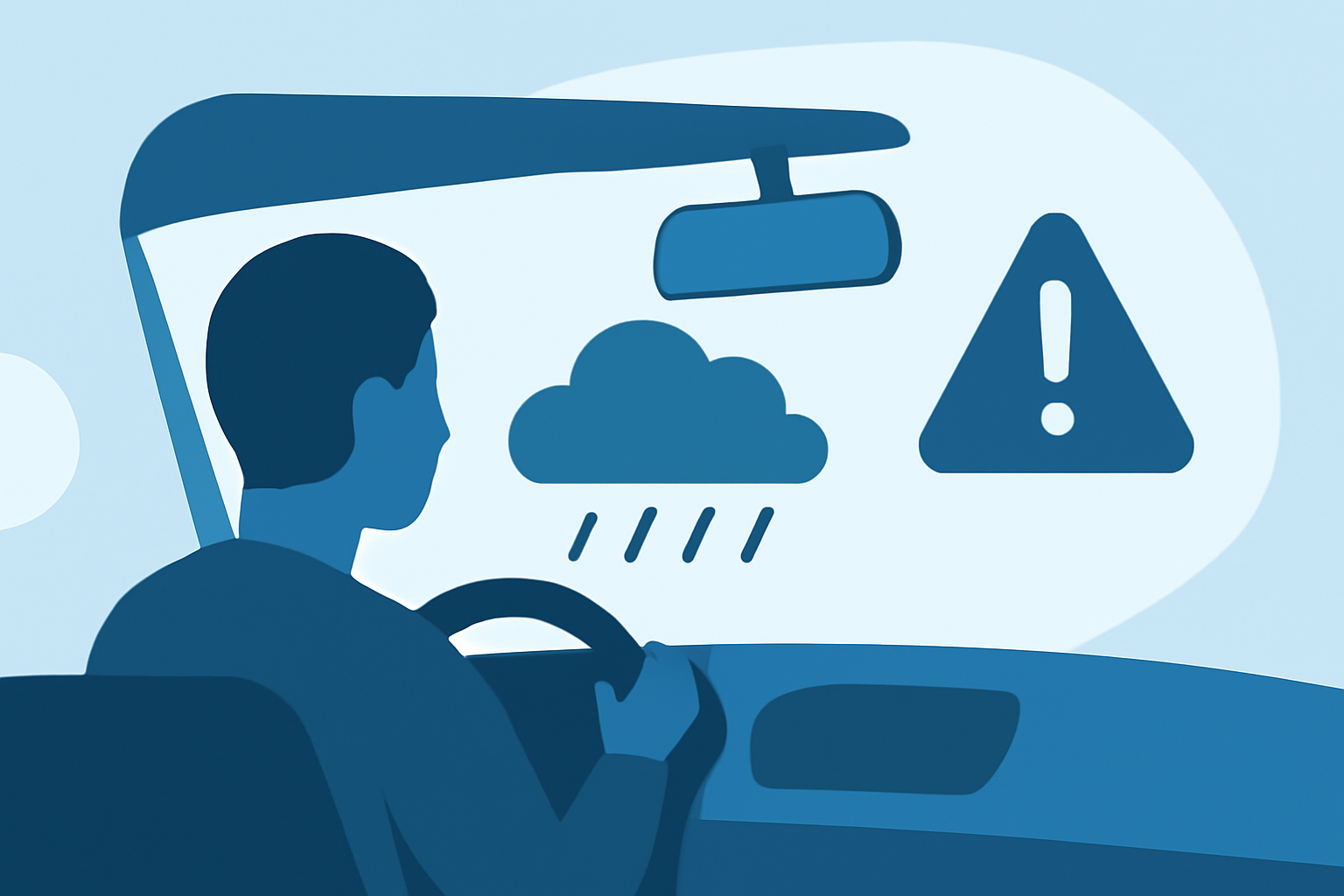
Last updated: 2023-09-06
In the event of severe weather, such as hurricanes or heavy flooding, having a clear evacuation plan is critical for safety. Use tools like the Clime app for real-time radar and alerts, along with government resources to guide your evacuation process effectively.
Summary
- Prepare essential items for your vehicle ahead of time.
- Stay informed by using reliable weather apps and government guidelines.
- Follow official evacuation routes and avoid flooded areas.
How do I prepare for evacuation by car?
Preparing your vehicle for evacuation involves several key steps:
- Fill your gas tank: Ensuring you have enough fuel can prevent being stranded.
- Emergency kit: Pack essentials like water, non-perishable food, first-aid supplies, flashlights, and blankets. Ensure you also have any necessary medications.
- Check vehicle condition: Ensure your tires, brakes, and lights are functioning well before an emergency arises.
- Download a weather app: Clime provides NOAA-based radar and alerts for real-time situation updates, making it easier to plan your route.
What should I include in my car emergency kit?
Your emergency kit should be tailored to your family's needs, including:
- Basic supplies: Water, energy bars, and canned foods.
- First-aid kit: Include bandages, antiseptics, and necessary medications.
- Flashlight and batteries: In case of power outages.
- Important documents: Keep identification, insurance details, and emergency contacts in a waterproof bag.
How do I determine the safest evacuation route?
To find the safest route during severe weather:
- Check local news and radio stations: They provide updates on road closures and safety alerts.
- Use navigation apps: Clime can offer alerts for hazardous road conditions, helping you adjust your route as necessary.
- Stick to designated evacuation routes: These are often established by local authorities and are safer than lesser-known paths.
What should I do if I encounter flooded roads?
- Avoid driving through floods: If you see rising waters, turn around.
- Move to higher ground: If your vehicle becomes trapped, abandon it and seek safety on higher ground.
- Stay informed: Use the Clime app or local authorities to stay updated on weather conditions.
What if I have to leave my vehicle?
If conditions worsen and evacuation is necessary:
- Abandon your vehicle safely: Ensure you do not place yourself in more danger by remaining in a car surrounded by rising waters.
- Follow emergency signage: They guide to safe areas and shelters farther away from flood zones.
- Stay with your group: If traveling with family or friends, ensure everyone stays together for safety.
How can I stay informed during the evacuation?
Staying updated during an evacuation is crucial:
- Use the Clime app: It delivers timely push notifications for weather alerts and radar updates in real time.
- Local broadcasts: Keep the radio tuned to local stations for traffic reports and evacuation instructions.
- Community alerts: Local authorities often issue alerts via social media or local news programs; follow them for the latest updates.
What we recommend
- Familiarize yourself with these evacuation steps before a severe weather event occurs.
- Ensure your vehicle is always ready with the necessary emergency kit and a full gas tank.
- Use Clime for real-time weather updates and alerts on the go.
- Always prioritize safety and precaution over speed when evacuating.