
Essential Guide to Severe Weather Kits in the United States
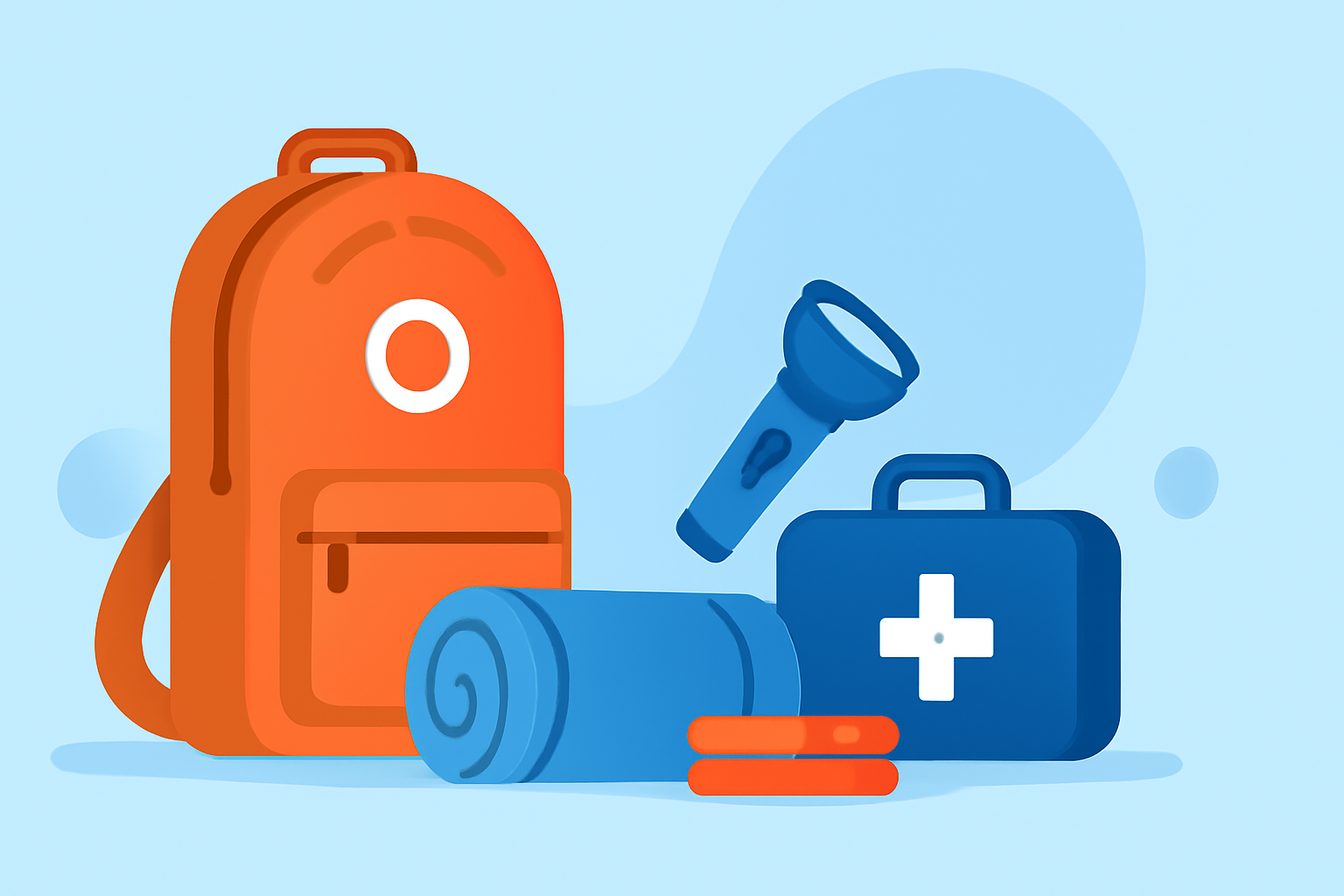
Severe weather events, such as hurricanes, tornadoes, and blizzards, can occur unexpectedly, making it crucial to be prepared. A well-assembled severe weather kit can provide essential supplies to help you and your family stay safe during such emergencies. This guide outlines the key components of an effective severe weather kit and offers tips on assembling one tailored to your needs.
What Should Be Included in a Severe Weather Kit?
A comprehensive severe weather kit should contain items that address basic survival needs: food, water, shelter, and communication. Below is a list of essential items to include:
-
Water: Store at least one gallon of water per person per day for at least three days, for drinking and sanitation.
-
Food: Include a three-day supply of non-perishable food items, such as canned goods, energy bars, and dried fruits.
-
Battery-Powered or Hand-Crank Radio: A NOAA Weather Radio with tone alert is recommended to receive emergency alerts and information.
-
Flashlight: Ensure you have a reliable flashlight with extra batteries.
-
First Aid Kit: Include bandages, antiseptic wipes, tweezers, and any necessary prescription medications.
-
Whistle: To signal for help if needed.
-
Face Masks: To help reduce the spread of germs.
-
Plastic Sheeting and Duct Tape: To shelter-in-place if necessary.
-
Moist Towelettes, Garbage Bags, and Plastic Ties: For personal sanitation.
-
Wrench or Pliers: To turn off utilities if instructed.
-
Local Maps: To navigate if GPS is unavailable.
-
Cell Phone with Chargers and a Backup Battery: To maintain communication.
-
Cash: In small denominations, as ATMs and credit card machines may not be working.
-
Important Documents: Copies of insurance policies, identification, and bank account records in a waterproof container.
-
Sleeping Bag or Warm Blanket: For each person, as temperatures can drop unexpectedly.
-
Complete Change of Clothing: Including sturdy shoes and rain gear.
-
Household Chlorine Bleach and Medicine Dropper: When diluted nine parts water to one part bleach, this can be used as a disinfectant.
-
Fire Extinguisher: To handle small fires.
-
Matches in a Waterproof Container: To light fires for warmth or cooking.
-
Feminine Supplies and Personal Hygiene Items: To maintain personal hygiene.
-
Mess Kits, Paper Cups, Plates, Paper Towels, and Plastic Utensils: For eating and drinking.
-
Books, Games, or Puzzles: To pass the time during extended periods of sheltering.
How Do I Assemble a Severe Weather Kit?
-
Assess Your Needs: Consider the number of people in your household, any special needs (such as infants, elderly, or pets), and the specific types of severe weather common in your area.
-
Choose Appropriate Containers: Use sturdy, waterproof containers to store your supplies. Clear plastic bins are ideal as they allow you to see the contents easily.
-
Organize Supplies: Group similar items together and label containers for easy identification.
-
Store in an Accessible Location: Keep your kit in a place that is easy to access and known to all family members.
-
Regularly Update and Maintain: Check your kit every six months to replace expired items and ensure everything is in working order.
How Can Clime Enhance My Severe Weather Preparedness?
Clime offers real-time weather updates and alerts, helping you stay informed about severe weather conditions in your area. By integrating Clime into your preparedness plan, you can receive timely notifications about impending storms, hurricanes, or other severe weather events, allowing you to take necessary precautions in advance.
What Are Additional Resources for Severe Weather Preparedness?
-
Federal Emergency Management Agency (FEMA): Provides comprehensive guidelines on disaster preparedness, including detailed checklists for emergency kits.
-
American Red Cross: Offers resources and training on first aid, CPR, and disaster preparedness.
-
National Weather Service (NWS): Delivers up-to-date weather forecasts and warnings.
By assembling a well-stocked severe weather kit and staying informed through reliable sources like Clime, you can enhance your safety and resilience during severe weather events.