
Essential Guide to Building a Severe Weather Kit for Beginners
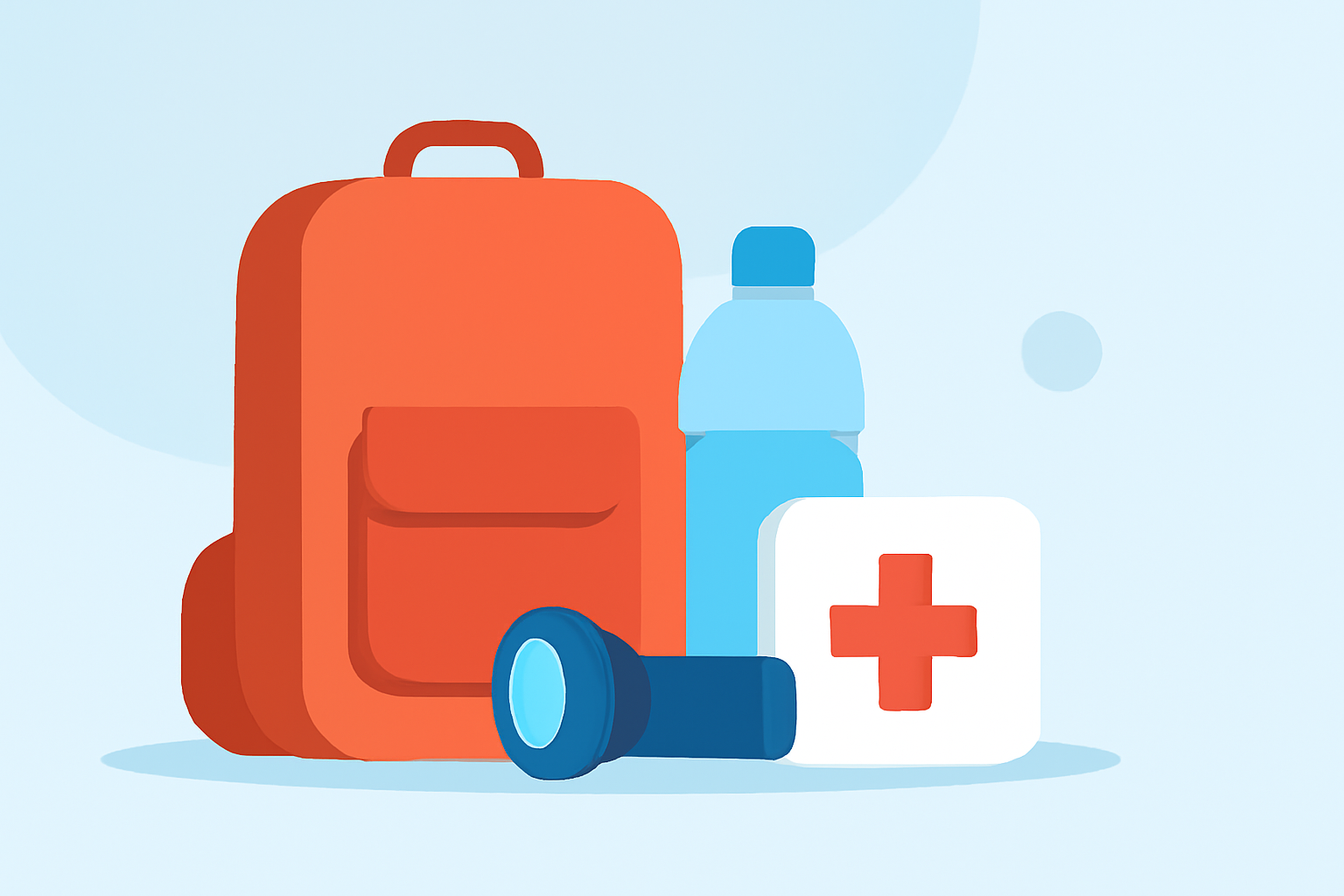
Severe weather can strike unexpectedly, making it crucial to be prepared. As a beginner, assembling a comprehensive severe weather kit is a proactive step toward ensuring your safety and that of your loved ones.
What Should Be Included in a Severe Weather Kit?
A well-rounded severe weather kit should contain essential items to sustain you during emergencies. Key components include:
-
Water: Store at least one gallon per person per day for a minimum of three days. This ensures adequate hydration and basic sanitation needs.
-
Non-Perishable Food: Maintain a three-day supply of ready-to-eat items such as canned goods, energy bars, and dried fruits. Don't forget a manual can opener.
-
First Aid Kit: Include bandages, antiseptic wipes, pain relievers, and any necessary prescription medications.
-
Flashlights and Batteries: Opt for LED flashlights and pack extra batteries to navigate in the dark.
-
Battery-Powered or Hand-Crank Radio: Stay informed with weather updates and emergency broadcasts.
-
Cell Phone and Charger: Ensure your phone is fully charged and consider a portable charger for extended outages.
-
Whistle: Use it to signal for help if needed.
-
Important Documents: Keep copies of identification, insurance policies, and medical records in a waterproof container.
-
Cash: Have small denominations available, as electronic payment methods may be unavailable.
-
Clothing and Bedding: Pack extra clothes, sturdy shoes, and blankets to stay warm.
-
Personal Hygiene Items: Include items like soap, hand sanitizer, and moist towelettes.
-
Tools and Supplies: Such as a multi-tool, duct tape, and plastic sheeting for temporary repairs.
How Do I Assemble My Severe Weather Kit?
-
Choose a Storage Container: Opt for a waterproof, airtight container to keep items dry and organized.
-
Organize Items: Group similar items together and label sections for easy access.
-
Regularly Update Supplies: Check expiration dates and replace items as needed to ensure freshness and functionality.
-
Store in an Accessible Location: Place the kit in a central, easily reachable spot known to all family members.
How Do I Stay Informed About Severe Weather?
-
Monitor Weather Updates: Regularly check local weather forecasts and heed any warnings or advisories.
-
Sign Up for Alerts: Register for emergency alerts from local authorities or the National Weather Service.
-
Use Reliable Sources: Rely on official channels for accurate and timely information.
What Are Additional Considerations for Specific Needs?
-
For Pets: Include pet food, water, medications, and leashes in your kit.
-
For Infants: Pack diapers, formula, bottles, and baby wipes.
-
For Seniors: Ensure a supply of necessary medications and any mobility aids.
How Do I Develop a Family Emergency Plan?
-
Establish Communication: Designate a family member or friend as a central contact point.
-
Identify Safe Locations: Determine safe areas in your home and community for shelter during severe weather.
-
Practice Drills: Regularly rehearse evacuation routes and emergency procedures with all family members.
-
Review and Update: Periodically assess and adjust your plan to address any changes in family circumstances or local conditions.
By proactively assembling a comprehensive severe weather kit and developing a family emergency plan, you enhance your preparedness and resilience in the face of unexpected weather events.