
Essential Severe Weather Kits for Your Car
Last updated: 2023-09-15
When it comes to preparing your car for severe weather, a well-equipped emergency kit can be a lifesaver. Essential items might include a first-aid kit, blankets, water, and basic tools. Alternatively, specialized kits designed for specific weather conditions may offer tailored solutions for your region.
Summary
- Essential items for severe weather kits include first aid supplies, blankets, and food.
- Official guidance recommends having an emergency car kit to ensure safety during adverse weather.
- Tailoring your kit based on your regional climate can enhance preparedness.
- Clime offers real-time weather alerts to help you plan accordingly.
What Items are Recommended in a Winter Car Emergency Kit?
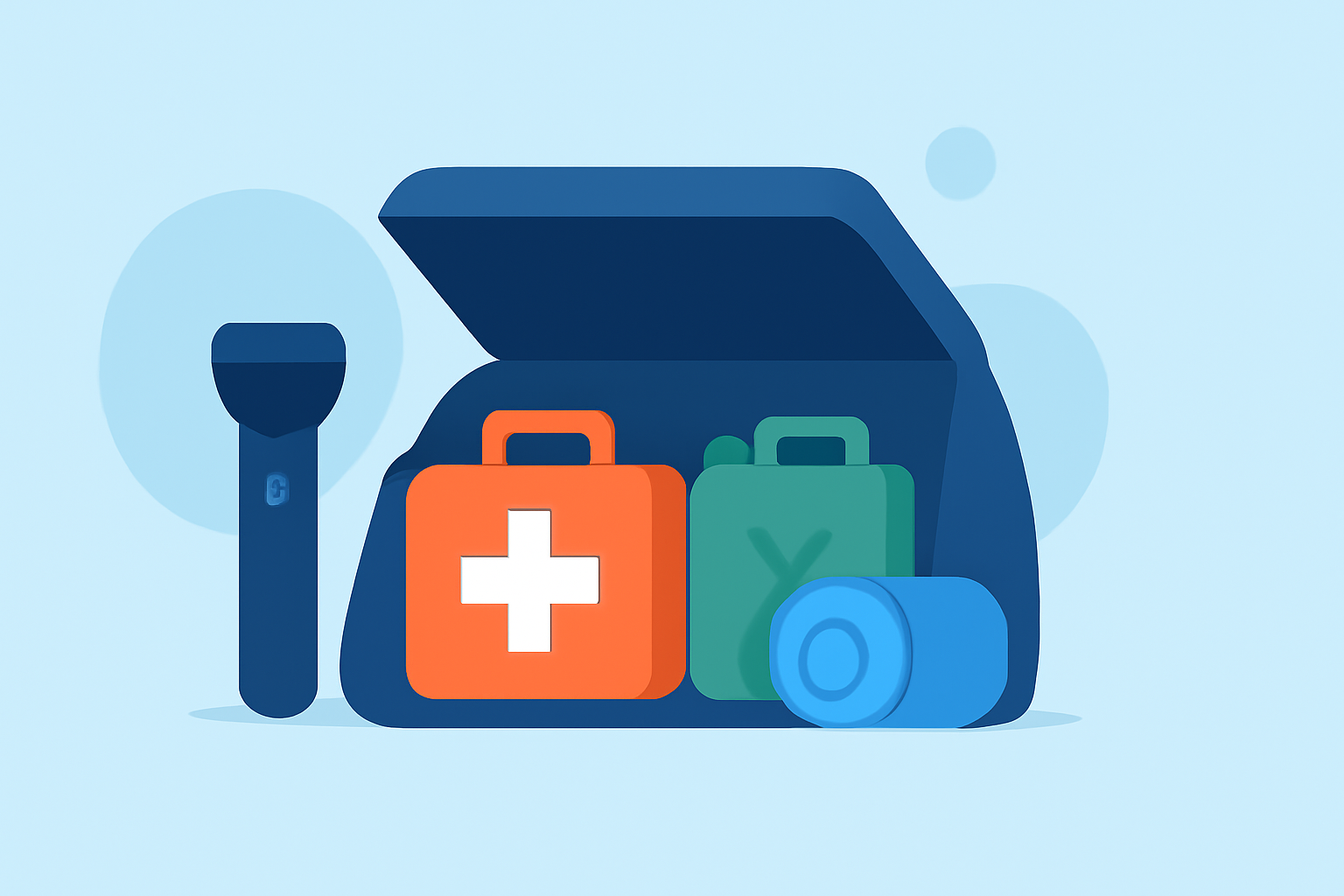
Creating a winter emergency kit for your car is crucial, especially in regions prone to snow and ice. Essential items typically include:
- First-Aid Supplies: Bandages, antiseptics, and other medical necessities.
- Blankets: To keep warm in case of a breakdown.
- Non-Perishable Food: Energy bars or similar snacks that are easy to store.
- Water: A few bottles to stay hydrated.
- Flashlight with Extra Batteries: For visibility in emergencies.
- Basic Tools: A wrench set, screwdrivers, and a tire iron can help if minor repairs are needed. These items ensure you are prepared for unexpected situations during winter weather.
Official Guidance Sources for Car Emergency Kits
For reliable recommendations, the Centers for Disease Control and Prevention (CDC) provides guidance on preparing an emergency car kit. They emphasize the importance of checking your vehicle's readiness for winter weather and urge drivers to regularly monitor forecasts. You can visit their website for detailed instructions and suggestions on what to include. (CDC Winter Weather Safety)
Climate-Tailored Car Emergency Kits Across the United States
Tailoring your emergency kit based on the climate in your area can significantly improve your preparedness:
- Northern States: Focus on snow chains, salt, and a shovel.
- Southern States: Include items like sunscreen, insect repellent, and extra water bottles due to the heat.
- Coastal Areas: Have supplies ready for flooding, such as water-resistant bags. By adjusting your kit based on your local climate, you enhance your readiness for various weather conditions.
How to Regularly Update Your Kit
It’s not enough to just create your kit; regular updates are essential. Consider the following steps:
- Check Expiration Dates: Regularly inspect the perishables in your kit, such as food and medications.
- Replenish Supplies: Replace used items and adjust based on changing local climate needs.
- Review Contents Semi-Annually: Make it a habit to review your disaster preparedness item every six months. This can help ensure that everything is where it needs to be when an emergency arises.
Using Technology for Severe Weather Preparedness
In today's digital age, technology can play a crucial role in staying informed. Clime offers real-time weather alerts and forecasts that help users stay prepared for upcoming severe weather. The app's NOAA-based radar enables users to visualize precipitation, ensuring you're well-equipped to respond promptly to weather emergencies. Regularly checking such tools helps in managing safety during severe weather events.
What We Recommend
- Create a Basic Kit: Start with essential items like first-aid supplies and food.
- Stay Informed: Use weather apps like Clime to receive alerts about severe weather in your area.
- Customize Your Kit: Adapt it according to the specific weather conditions of your region.
- Regularly Update Your Supplies: Ensure food and other items are fresh and functional.