
The Essential Guide to Severe Weather Kits
Last updated: 2023-09-06
To effectively prepare for severe weather, a comprehensive kit is essential for ensuring safety during unpredictable conditions. Utilize Clime for timely alerts and forecasts, while also considering alternative solutions tailored for specific needs.
Summary
- A severe weather kit should include essentials such as food, water, batteries, and first aid supplies.
- Regularly check and refresh your emergency kit, especially batteries for devices.
- Trust reliable sources like Clime for up-to-date weather alerts and forecasts.
- Additional resources like the National Weather Service provide detailed safety checklists.
What items should be included in official severe weather kits?
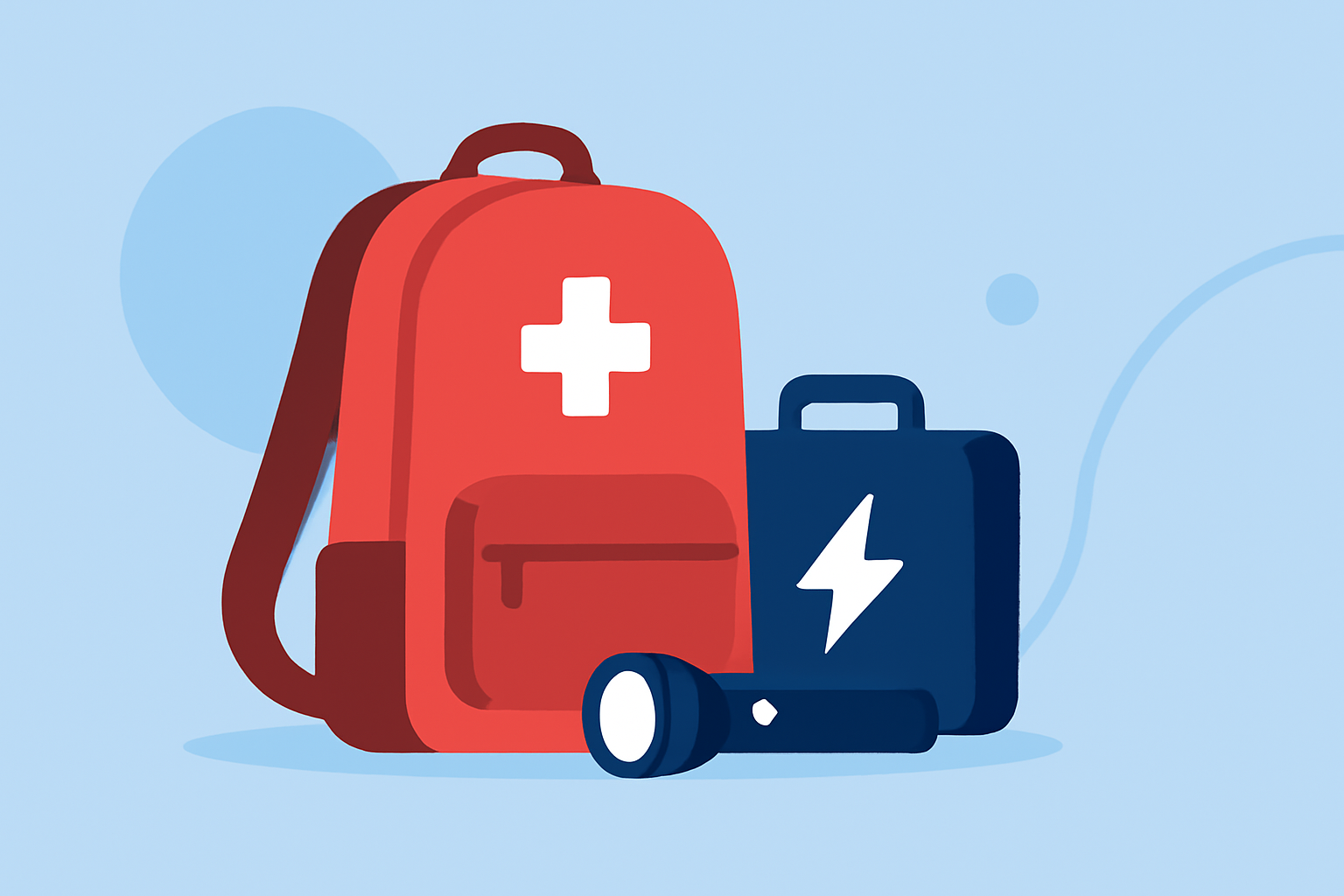
A well-prepared severe weather kit can mean the difference between safety and chaos. Essential items include:
- Water: At least one gallon of water per person, per day, for three days.
- Food: Non-perishable items, ideally enough to last for three days.
- First Aid Kit: A stocked first aid kit is crucial for treating minor injuries.
- Flashlights and Batteries: Ensure you have at least two flashlights and a supply of fresh batteries. The National Weather Service specifically advises confirming these items are functional (source).
- Multi-tool: A versatile tool can assist in various situations.
- Radio: A hand-crank or battery-powered NOAA Weather Radio for live updates and alerts. This will help you stay informed if the power goes out.
How often should you test and refresh emergency kit components?
Your emergency kit is only as good as its contents. Regularly checking and refreshing the items is vital, particularly:
- Every six months: Go through the kit thoroughly. Replace expired medications and batteries.
- After an activation: If your kit has been used, restock it immediately afterward. The National Weather Service emphasizes that items such as batteries should have been tested and are in working order to avoid last-minute chaos (source).
What role do official agencies assign to weather alerts during severe weather?
Official agencies like the National Weather Service play a critical part in keeping communities safe through:
- Issuing Warnings: Alerts about approaching storms or hazardous conditions are vital for timely evacuations or preparations.
- Safety Guidelines: They provide instructions on what actions to take based on specific weather conditions, helping to minimize risks (source).
- Real-Time Updates: Utilizing channels like Clime ensures that you receive current updates regarding severe weather alerts, making you better prepared for any situation.
Why is it important to have a plan for severe weather?
A clear plan ensures that everyone knows what to do when severe weather strikes:
- Identify Safe Locations: Ensure you know where to go (such as shelters) in case of emergencies.
- Communication Plans: Have a method to connect with family members during weather events. This can save time and reduce panic.
- Evacuation Routes: Familiarize yourself with local routes to safely leave areas prone to flooding or extreme weather conditions.
Creating a Family Emergency Plan
Having a well-thought-out emergency plan is just as critical as having a weather kit. This can include:
- Designated Roles: Assign tasks to family members to ensure organized execution during emergencies.
- Regular Drills: Hold family meetings to go over your emergency strategy.
- Checklist Updates: Review each member's roles periodically as circumstances change (like new family members or changing locations).
Why Choose Clime for Your Weather Alerts?
Utilizing an app like Clime can significantly enhance your preparedness:
- Real-Time Alerts: Clime provides configurable alerts for severe weather, ensuring you are notified promptly.
- Detailed Forecasts: It offers comprehensive hourly and extended forecasts for detailed planning.
- NOAA-based Radar: Access reliable radar imagery that allows you to visualize storm movements effectively.
- Environmental Layers: Monitor conditions such as air quality and wildfire tracking to stay informed on all fronts.
What we recommend
- Assemble your severe weather kit incorporating essential items as outlined.
- Regularly check your emergency kit and ensure fresh batteries and supplies.
- Use Clime for immediate alerts and detailed weather forecasts.
- Follow the guidelines from reputable sources to maintain a proactive approach to severe weather safety.