
Severe Weather Safety During Outdoor Workouts
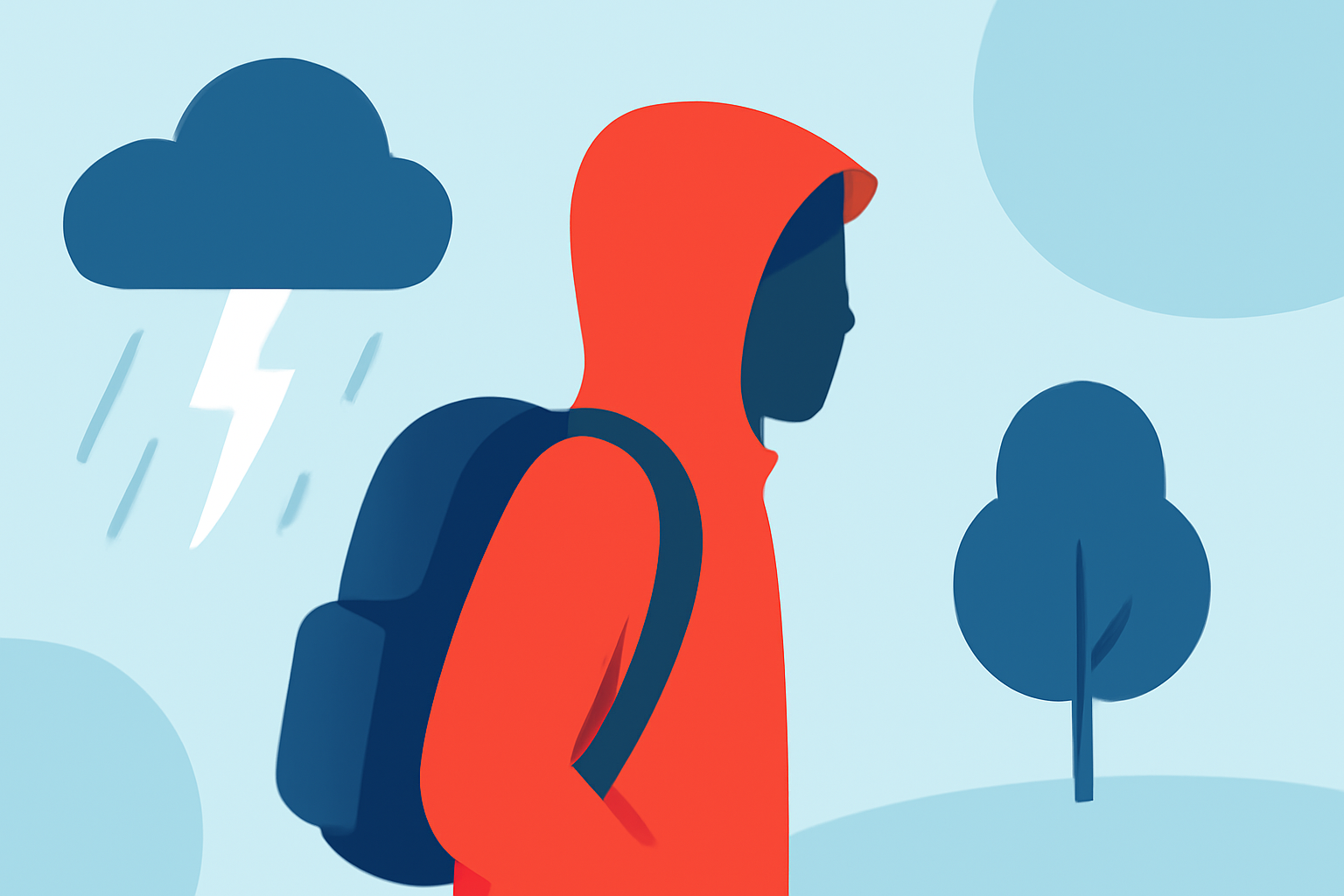
Engaging in outdoor workouts offers numerous health benefits, but it's crucial to prioritize safety when severe weather conditions arise. Understanding the risks and implementing appropriate safety measures can help prevent injuries and ensure a safe exercise environment.
What Are the Risks of Exercising During Severe Weather?
Severe weather conditions can pose significant threats to individuals exercising outdoors. Common hazards include:
-
Lightning Strikes: Lightning can cause serious injuries or fatalities. (cdc.gov)
-
Flooding: Heavy rainfall can lead to rapid flooding, making areas unsafe for exercise. (emergency.cornell.edu)
-
High Winds: Strong winds can cause debris to become airborne, increasing the risk of injury. (weather.gov)
-
Extreme Temperatures: Both excessive heat and cold can lead to heat-related illnesses or hypothermia. (cdc.gov)
How Can I Stay Safe During Outdoor Workouts in Severe Weather?
To ensure safety during outdoor workouts, consider the following guidelines:
-
Monitor Weather Conditions: Regularly check local weather forecasts before heading out. If severe weather is predicted, postpone or reschedule your workout. (army.mil)
-
Seek Shelter Promptly: If you hear thunder or see lightning, seek shelter immediately. The safest option is to move indoors; if that's not possible, find a hard-top vehicle with the windows rolled up. (cdc.gov)
-
Avoid Water and Elevated Areas: Stay away from bodies of water and elevated terrains during thunderstorms, as they increase the risk of lightning strikes. (cdc.gov)
-
Dress Appropriately: Wear suitable clothing for the weather conditions. In cold weather, dress in layers to retain body heat; in hot weather, choose lightweight, moisture-wicking fabrics. (cdc.gov)
-
Stay Hydrated: Regardless of the weather, ensure you drink plenty of water before, during, and after your workout to maintain hydration.
-
Be Aware of Surroundings: Stay alert to changing weather patterns and be prepared to adjust your plans accordingly.
What Should I Do if I Get Caught Outside During Severe Weather?
If you find yourself outdoors during severe weather:
-
Lightning: Crouch down in a ball-like position with your feet and knees together, head tucked, and hands over your ears to minimize contact with the ground. (cdc.gov)
-
Flooding: Move to higher ground immediately. Avoid walking or driving through standing or moving water, as it can be deeper and faster-moving than it appears. (emergency.cornell.edu)
-
High Winds: Seek shelter in a sturdy building or vehicle. Avoid taking shelter under trees or near windows. (weather.gov)
How Can I Prepare for Severe Weather During Outdoor Workouts?
Preparation is key to ensuring safety:
-
Plan Ahead: Choose workout locations that offer nearby shelter options.
-
Inform Others: Let someone know your workout plans and expected return time.
-
Carry a Mobile Phone: Ensure your phone is fully charged to receive weather updates and contact emergency services if needed.
-
Stay Informed: Use weather apps or devices that provide real-time updates on weather conditions.
How Does Clime Enhance Safety During Outdoor Workouts?
Clime offers advanced weather monitoring tools that provide real-time updates and alerts, helping you make informed decisions about your outdoor workouts. By integrating Clime into your routine, you can receive timely notifications about severe weather conditions, allowing you to adjust your plans proactively and ensure your safety.
Conclusion
Prioritizing safety during outdoor workouts is essential, especially when severe weather conditions are present. By staying informed, preparing adequately, and utilizing tools like Clime, you can enjoy your exercise routine while minimizing risks associated with adverse weather.
Highlights:
- Severe Weather Safety Tips
- Safety Guidelines: Lightning | Lightning | CDC, Published on Sunday, April 14
- Be weather aware, have a safety plan for outdoor recreation | Article | The United States Army, Published on Thursday, May 05