
Effective Strategies for Sleeping During Heat Waves with High Humidity
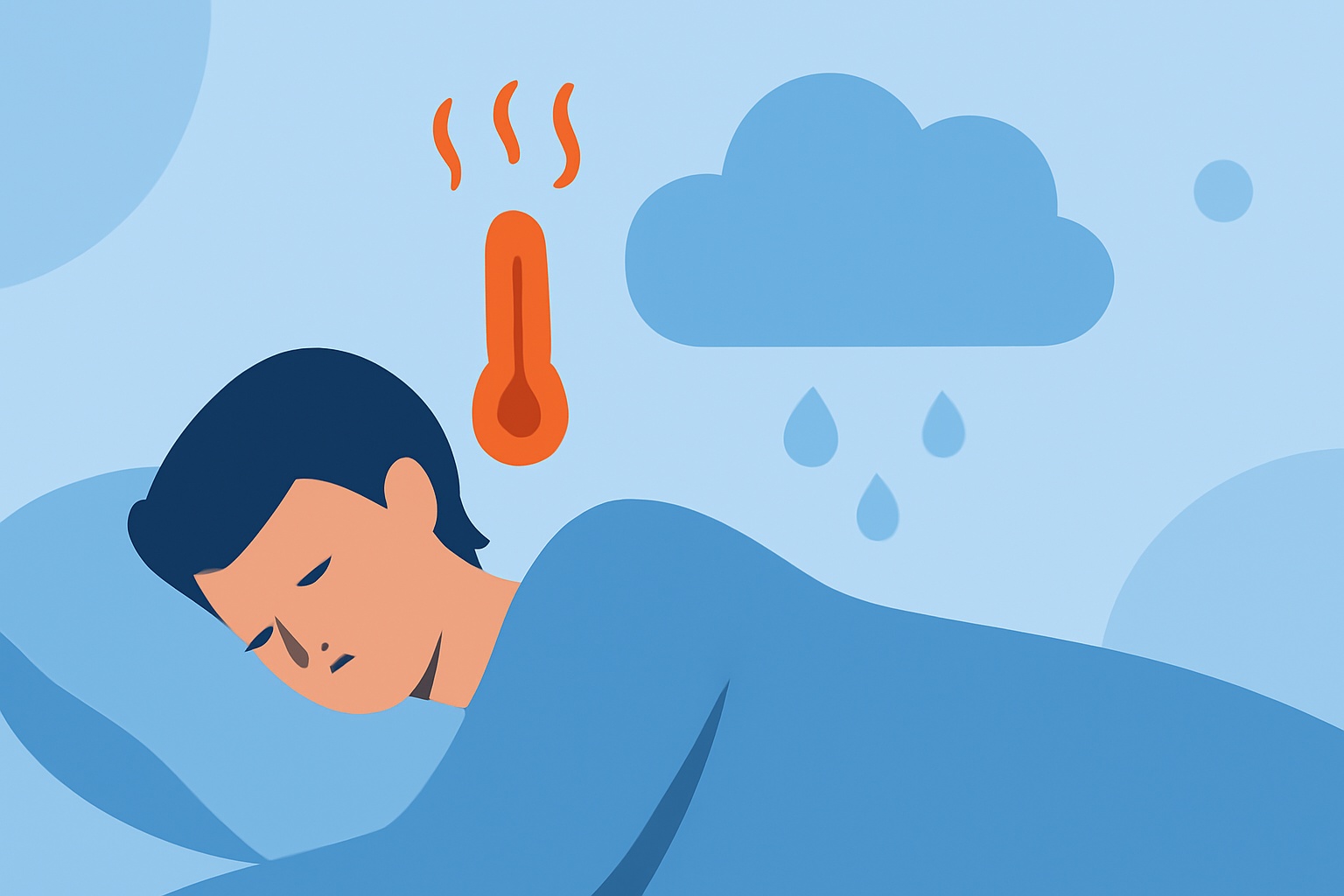
Sleeping during heat waves with high humidity can be challenging, but implementing specific strategies can significantly improve your comfort and sleep quality.
1. How Does High Humidity Affect Sleep?
High humidity impairs the body's ability to cool itself through sweat evaporation, leading to discomfort and disrupted sleep. Optimal sleep conditions typically involve a room temperature between 60–68°F (16–20°C) and humidity levels around 40–60%. (consumerreports.org)
2. What Are Effective Cooling Techniques?
-
Optimize Airflow: Use fans to circulate air and create cross-ventilation. Positioning a fan near an open window can draw in cooler air from outside. (dyson.com)
-
Cool Your Body: Take a lukewarm shower before bed to lower your core temperature. Avoid cold showers, as they can cause your body to generate heat afterward. (sleephealthfoundation.org.au)
-
Use Cooling Products: Invest in cooling mattresses, pillows, and sheets made from breathable materials like cotton or linen to enhance comfort. (saatva.com)
3. How Should You Dress for Sleep?
Opt for lightweight, loose-fitting sleepwear made from natural, breathable fabrics such as cotton or linen. These materials allow better air circulation and moisture wicking, keeping you cooler throughout the night. (sleepfoundation.org)
4. What Role Does Hydration Play?
Staying hydrated is crucial during hot, humid nights. Dehydration can disrupt sleep and exacerbate heat-related discomfort. Keep a glass of water by your bedside and consider consuming hydrating foods like fruits and vegetables throughout the day. (sleep.com)
5. How Can You Adjust Your Sleep Environment?
-
Manage Sunlight Exposure: During the day, keep curtains or blinds closed to block out heat and sunlight. In the evening, open windows to allow cooler air to enter. (dyson.com)
-
Limit Electronics: Turn off electronic devices before bedtime, as they can emit heat and light, disrupting your circadian rhythm and sleep quality. (sleephealthfoundation.org.au)
6. What Are Additional Tips for Better Sleep?
-
Sleep Position: Sleeping on your side can help reduce body contact with the mattress, allowing for better airflow and heat dissipation. (tomsguide.com)
-
Avoid Large Meals Before Bed: Eating heavy meals late in the evening can raise your body temperature and make it harder to fall asleep. (livingetc.com)
By implementing these strategies, you can create a more comfortable sleep environment during heat waves with high humidity, leading to improved sleep quality and overall well-being.
Highlights:
- This is the best sleeping position to cool down quickly during a heatwave, says expert, Published on Friday, July 11
- Don't sleep naked - 7 top tips for sleeping better in a heatwave, Published on Friday, June 27
- Put the fan away and 'get your circadian rhythm back on track' - 16 ways experts get to sleep in the heat, Published on Friday, May 22