
How to Sleep Well Amid Poor Air Quality
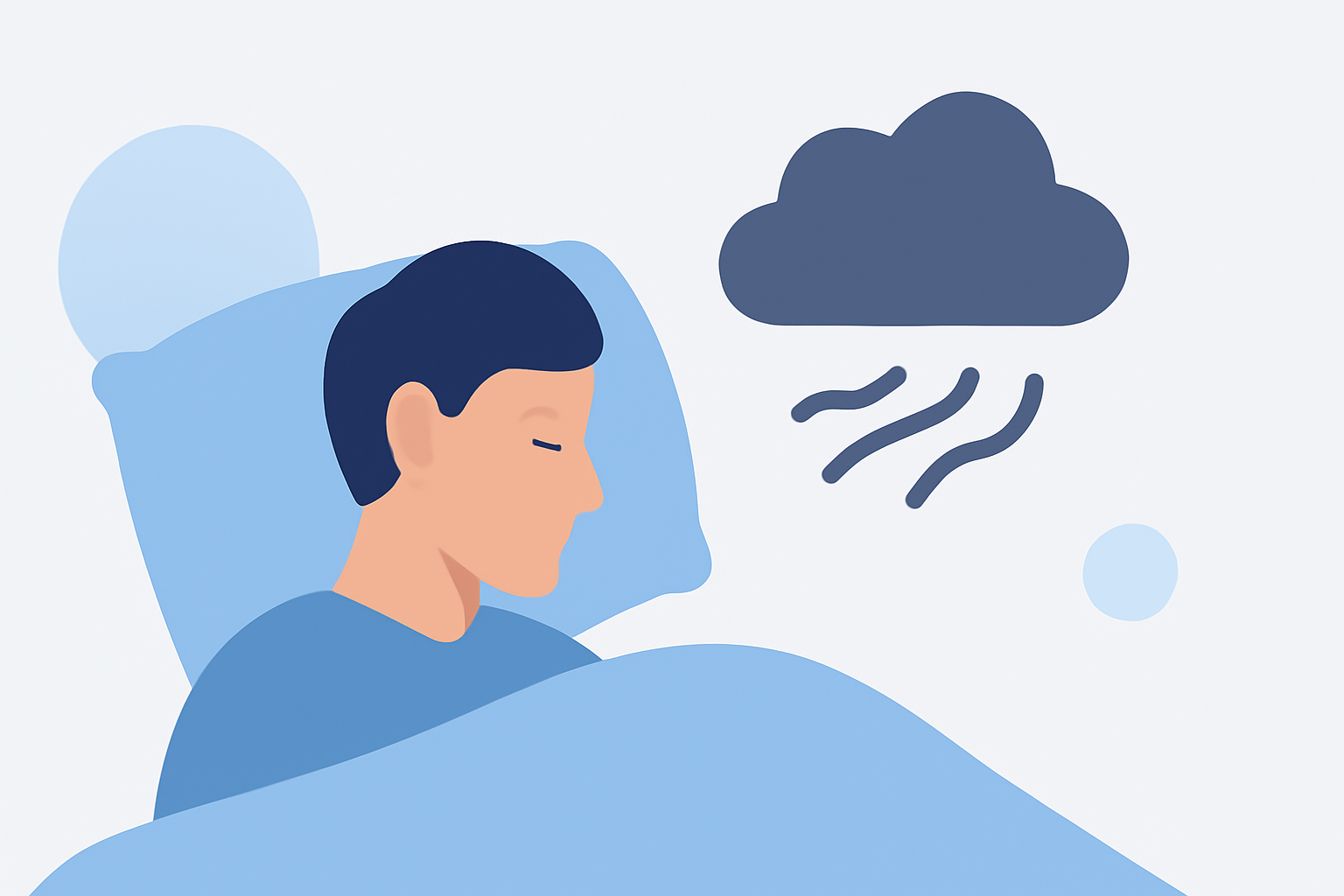
Sleeping well during periods of poor air quality, like those caused by wildfires, can be challenging. Wildfire smoke contains harmful pollutants that can irritate the respiratory system and disrupt sleep patterns. Understanding how to mitigate these effects is crucial for maintaining health and well-being.
Understanding the Impact of Poor Air Quality on Sleep
Wildfire smoke introduces fine particulate matter into the air, which can infiltrate the respiratory system, leading to coughing, wheezing, and difficulty breathing. These symptoms can significantly disrupt sleep, leading to fatigue and other health issues. Individuals with pre-existing conditions such as asthma, COPD, heart disease, or diabetes are particularly vulnerable to these effects. (cdc.gov)
Effective Strategies for Sleeping in Poor Air Quality
- Monitor Air Quality Levels
Regularly check the Air Quality Index (AQI) in your area to stay informed about pollution levels. This information can help you plan activities and determine when to stay indoors. (cdc.gov)
- Create a Clean Indoor Environment
-
Seal Off Rooms: Designate a room in your home as a clean-air zone by keeping windows and doors closed.
-
Use Air Purifiers: Employ high-efficiency particulate air (HEPA) filters to reduce indoor pollutants.
-
Limit Indoor Pollutants: Avoid activities that can worsen indoor air quality, such as smoking, burning candles, or using gas stoves. (cdc.gov)
- Optimize Your Sleep Environment
-
Maintain a Comfortable Temperature: Keep the bedroom cool and well-ventilated to promote better sleep.
-
Use Allergen-Proof Bedding: Encase pillows and mattresses in covers that prevent the infiltration of dust and other allergens.
-
Keep Bedding Clean: Regularly wash sheets and blankets in hot water to eliminate potential irritants.
- Implement Breathing Exercises
Practicing relaxation techniques, such as deep breathing exercises, can help alleviate respiratory discomfort and prepare the body for sleep. Techniques like diaphragmatic breathing can reduce stress and improve sleep quality.
- Consult Healthcare Professionals
If you have underlying health conditions, consult with your healthcare provider for personalized advice. They may recommend specific treatments or medications to manage symptoms during periods of poor air quality. (cdc.gov)
Leveraging Technology for Air Quality Management
Utilizing air quality monitors can provide real-time data on indoor pollution levels, allowing for timely interventions. Some advanced systems can automatically adjust air purifiers and ventilation systems to maintain optimal air quality.
Conclusion
Ensuring quality sleep during periods of poor air quality requires proactive measures to minimize exposure to pollutants. By monitoring air quality, creating a clean indoor environment, optimizing your sleep setting, practicing relaxation techniques, and seeking professional guidance, you can significantly improve your sleep quality and overall health.
Highlights:
- Breathing Easier: Air Quality Monitors Track Wildfire Smoke | CDC Foundation, Published on Sunday, December 03
- How Wildfire Smoke Pollution Can Impact Your Sleep | Sleep Foundation, Published on Tuesday, June 29