
Sleeping in Poor Air Quality: Mistakes Outdoor Enthusiasts Should Avoid
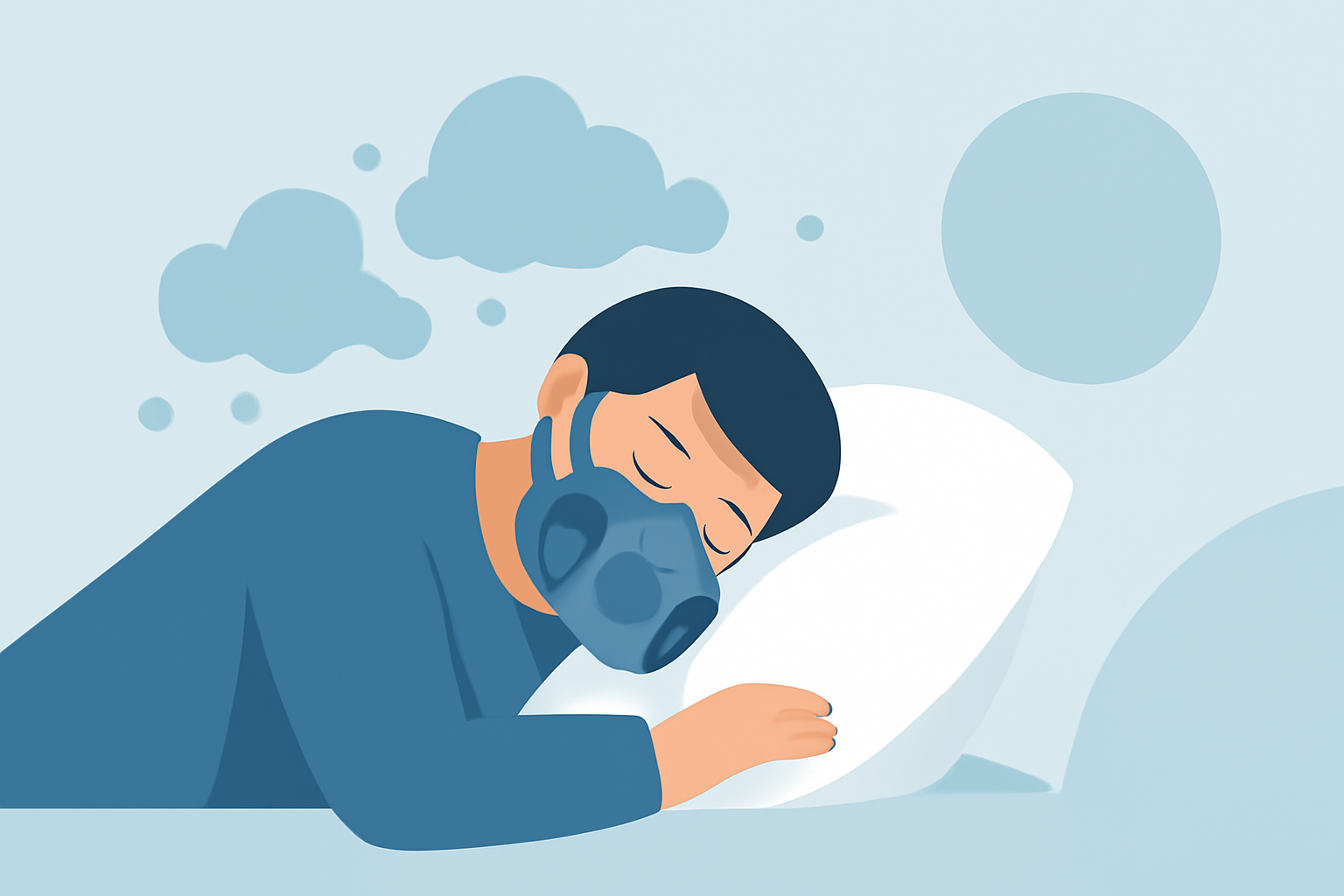
Sleeping in areas with poor air quality can significantly impact your health and well-being, especially for outdoor enthusiasts who spend extended periods in nature. Understanding the risks and implementing effective strategies can help ensure restful and restorative sleep during your adventures.
How Does Poor Air Quality Affect Sleep?
Exposure to pollutants such as particulate matter (PM), ozone, and carbon monoxide can disrupt sleep patterns and reduce sleep quality. These pollutants can irritate the respiratory system, leading to symptoms like coughing, throat irritation, and shortness of breath, which can interfere with falling and staying asleep. Additionally, elevated levels of carbon dioxide (CO₂) in sleeping environments can subtly activate the sympathetic nervous system, keeping the body in a lighter, more alert state rather than allowing it to enter the restorative cycles of deep sleep. (runnersconnect.net)
Common Mistakes to Avoid
- Ignoring Air Quality Index (AQI) Levels
Failing to monitor local AQI levels before bedtime can expose you to harmful pollutants. The Environmental Protection Agency (EPA) provides daily air quality forecasts, which can help you plan your activities and sleeping arrangements accordingly. (epa.gov)
- Sleeping with Windows Open in Polluted Areas
Opening windows in areas with high pollution levels allows outdoor contaminants to enter your sleeping space, degrading indoor air quality. It's advisable to keep windows closed during high pollution periods to maintain a healthier indoor environment. (epa.gov)
- Neglecting Ventilation in Sleeping Areas
Poor ventilation can lead to a buildup of indoor pollutants, including CO₂, which can disrupt sleep. Ensuring adequate ventilation, such as using air purifiers with HEPA filters, can help reduce indoor pollutant levels. (mdpi.com)
- Underestimating the Impact of Wildfire Smoke
Wildfire smoke can travel long distances, affecting air quality even in areas far from the fire's origin. It's crucial to stay informed about wildfire activity and its potential impact on air quality in your area. (health.harvard.edu)
Strategies for Ensuring Restful Sleep in Poor Air Quality
- Monitor Air Quality Regularly
Use reliable sources to check AQI levels in your area, especially before planning outdoor activities or bedtime. This proactive approach allows you to make informed decisions about your sleeping environment. (epa.gov)
- Create a Clean Sleeping Environment
Utilize air purifiers equipped with HEPA filters to reduce indoor pollutants. Ensure that your sleeping area is well-ventilated, but avoid opening windows during high pollution periods. (mdpi.com)
- Plan Activities Wisely
Schedule outdoor activities during times when air quality is better, typically in the morning or evening. Limit strenuous activities during periods of poor air quality to minimize exposure to harmful pollutants. (epa.gov)
- Stay Informed About Local Conditions
Keep abreast of local air quality forecasts and any environmental events, such as wildfires, that may affect air quality. This awareness enables you to take necessary precautions to protect your health. (health.harvard.edu)
Conclusion
For outdoor enthusiasts, ensuring good sleep quality is essential for health and performance. By avoiding common mistakes and implementing strategies to mitigate exposure to poor air quality, you can enjoy restful nights and be prepared for your outdoor adventures.
Highlights:
- Is it safe to exercise outdoors when the air quality is bad? - The Washington Post, Published on Tuesday, June 06
- Exercising outdoors on poor air quality days? | Ohio State Health & Discovery, Published on Wednesday, July 27
- Outdoor Air Quality and Air Pollution: Tips to Protect Yourself, Published on Sunday, January 19