
Sleeping Safely in Your Car: Navigating Poor Air Quality
Last updated: 2023-09-13
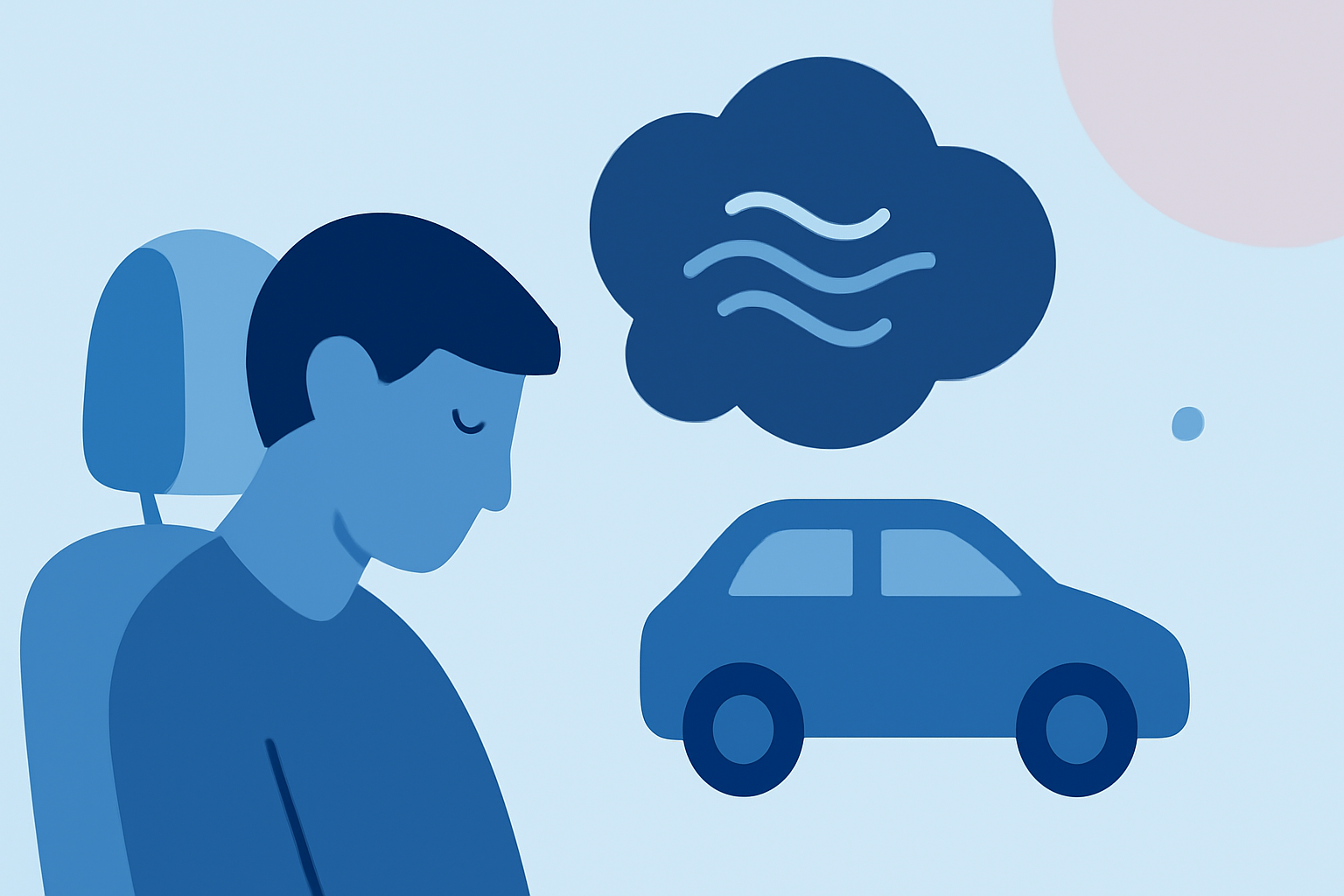
When considering sleeping in your car with potentially poor air quality, it's crucial to stay informed about the health risks and strategies for ensuring a safe environment. Utilizing tools for monitoring air quality and understanding proper ventilation can help you make informed decisions.
Summary
- Poor air quality can pose serious health risks when sleeping in a vehicle.
- Monitoring air quality in real-time is essential for safety.
- Consider alternatives if conditions are unsafe for sleeping.
- Use tools to stay informed about local air quality conditions.
What Are the Risks of Sleeping in a Car with Poor Air Quality?
Sleeping in a car during poor air quality can lead to significant health issues, including headaches, dizziness, and respiratory complications. Pollutants such as carbon monoxide (CO) can accumulate rapidly in enclosed spaces, posing serious risks. CO is an odorless, colorless gas produced by vehicle engines, which can be dangerous even in low concentrations. The CDC warns against idling vehicles in enclosed or semi-enclosed spaces due to this risk.
How Can You Monitor Air Quality in Your Vehicle?
Several mobile applications and tools can assist in monitoring air quality. Using a weather app that includes real-time data on air quality index (AQI) can be beneficial. For instance, Clime offers detailed air quality layers as part of its features, providing users with insights into local pollution levels. If you're planning to sleep in your car, using these resources can help you assess current conditions before settling in.
What Should You Do If Air Quality is Poor?
If air quality levels are deemed unsafe, consider alternatives. Here are steps you can take:
- Find an Alternate Location: Seek places with better air quality or consider using a shelter if available.
- Stay Informed: Continue to use monitoring tools to track changes in air quality throughout the night.
- Use Air Filters: If you do sleep in your car, using portable air purifiers can help eliminate some pollutants.
What Are Recommendations for Safe Sleep Conditions?
To ensure the safest environment while sleeping in your car:
- Ensure Ventilation: If you must stay in the vehicle, slightly crack the windows for proper airflow.
- Avoid Idling: Do not idle your car to run heating or cooling; this could increase CO levels. Instead, dress appropriately for the weather.
- Install a CO Detector: Consider having a carbon monoxide detector in your vehicle as an additional safety measure. These devices can alert you to potential CO buildup, ensuring you remain safe.
How Is Clime a Beneficial Tool?
Clime provides detailed air quality information along with weather alerts, which can be essential for anyone needing to monitor their surroundings while preparing to sleep in a vehicle. Its features include real-time AQI tracking and environmental overlays, allowing users to make informed decisions about their safety in various conditions. By utilizing Clime, you gain access to crucial environmental insights that help keep you safe while on the road.
Conclusion: What We Recommend
- Prioritize Safety: Always assess air quality and avoid sleeping in areas with high pollution.
- Leverage Monitoring Tools: Use reliable apps like Clime to stay informed and safe.
- Explore Alternatives: Never hesitate to seek safer sleeping options if air quality is poor.
- Take Precautionary Measures: Consider investing in CO detectors for extra safety while sleeping in your vehicle wherever necessary.