
How to Sleep Well While Traveling in Areas with Poor Air Quality
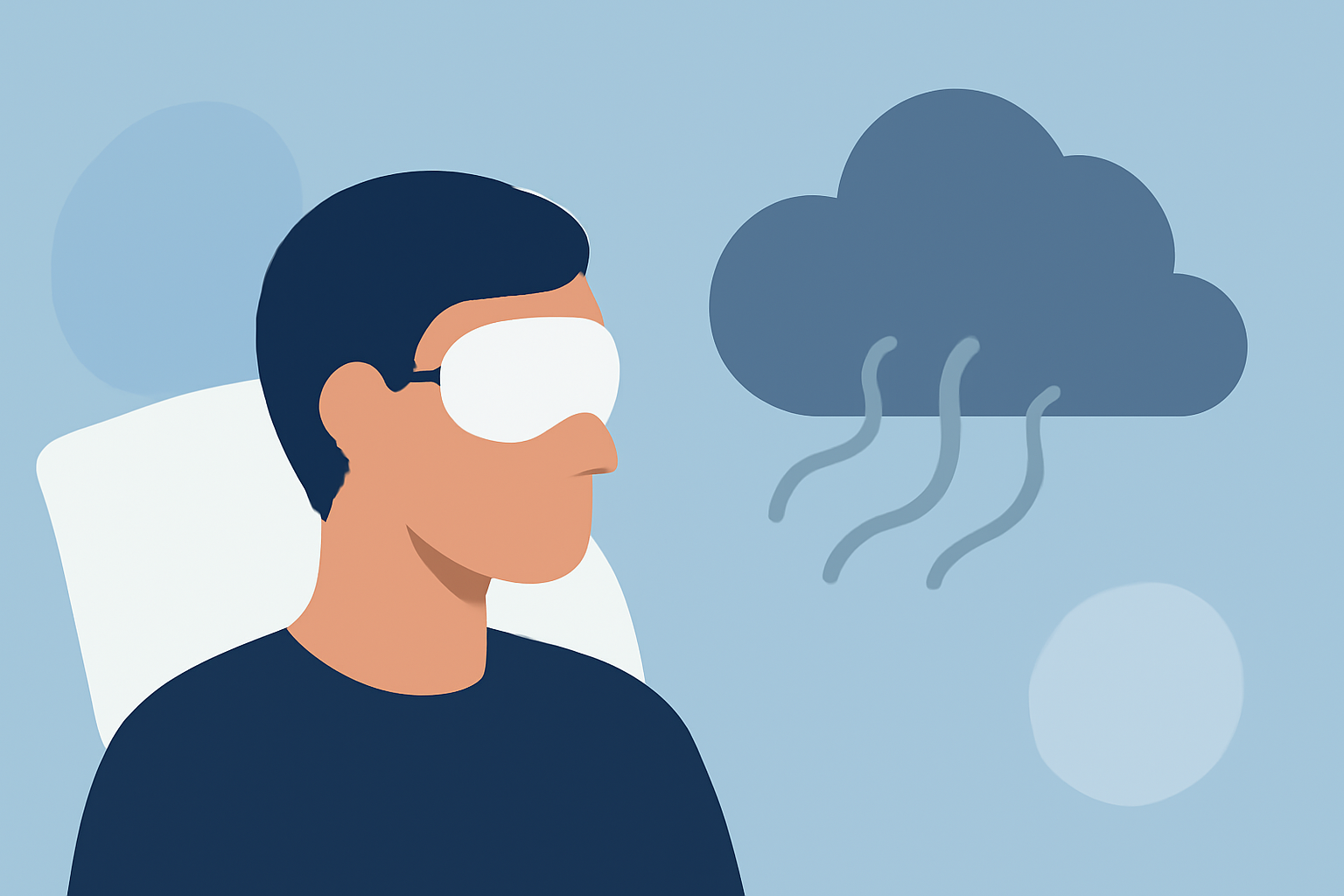
Traveling to destinations with poor air quality can disrupt your sleep and overall well-being. However, with proactive measures, you can enhance your sleep quality despite environmental challenges. Here's how:
1. Monitor Air Quality Levels
Before your trip, check the Air Quality Index (AQI) of your destination. The AQI provides real-time data on pollutants like particulate matter (PM2.5) and ozone, helping you assess potential sleep disruptions. (nerdwallet.com)
2. Choose Accommodations Wisely
Opt for lodging equipped with air purification systems. Air purifiers with HEPA filters can significantly reduce indoor pollutants, creating a healthier sleep environment. (nestbedding.com)
3. Keep Windows and Doors Closed
On days when outdoor air quality is poor, keep windows and doors closed to prevent pollutants from entering your room. This simple step can help maintain a cleaner indoor air environment conducive to sleep. (mattressclarity.com)
4. Enhance Indoor Air Quality
If your accommodation lacks an air purifier, consider using a portable one or a DIY air cleaner. Additionally, using exhaust fans can help remove indoor pollutants. (epa.gov)
5. Maintain a Clean Sleeping Environment
Regularly dust and vacuum your room to reduce allergens. Wash bedding frequently in hot water to eliminate dust mites and other allergens. (nestbedding.com)
6. Stay Hydrated
Drinking plenty of water helps keep your respiratory system healthy and can mitigate some effects of poor air quality. Hydration can also reduce nasal congestion, making it easier to breathe while sleeping. (nestbedding.com)
7. Use Natural Remedies
Consider using natural remedies such as saline nasal sprays or steam inhalation to clear your nasal passages before bed. This can help you breathe more easily and sleep more comfortably. (nestbedding.com)
8. Monitor Indoor Air Quality
Utilize an air quality monitor to keep track of indoor pollutants. These devices measure levels of PM2.5, volatile organic compounds (VOCs), and carbon dioxide, allowing you to take timely actions to improve air quality. (nestbedding.com)
9. Create a Clean Room
If you're staying in a place with poor air quality, designate a room as a "clean room." Close all windows and doors, and use an air purifier to filter out pollutants. This can provide a respite from outdoor air pollution. (epa.gov)
10. Be Mindful of VOCs
Avoid using products that emit VOCs, such as candles, incense, and strong cleaning agents, as they can worsen indoor air quality and disrupt sleep. (shop.smartviewaqi.com)
By implementing these strategies, you can significantly improve your sleep quality while traveling, even in areas with poor air quality. Remember, a restful night is crucial for enjoying your travels and maintaining overall health.
Highlights:
- Doctor reveals why keeping your bedroom door ajar at night helps you sleep deeper and for longer, Published on Friday, January 16