
An Introduction to Sleeping with Poor Air Quality for Athletes
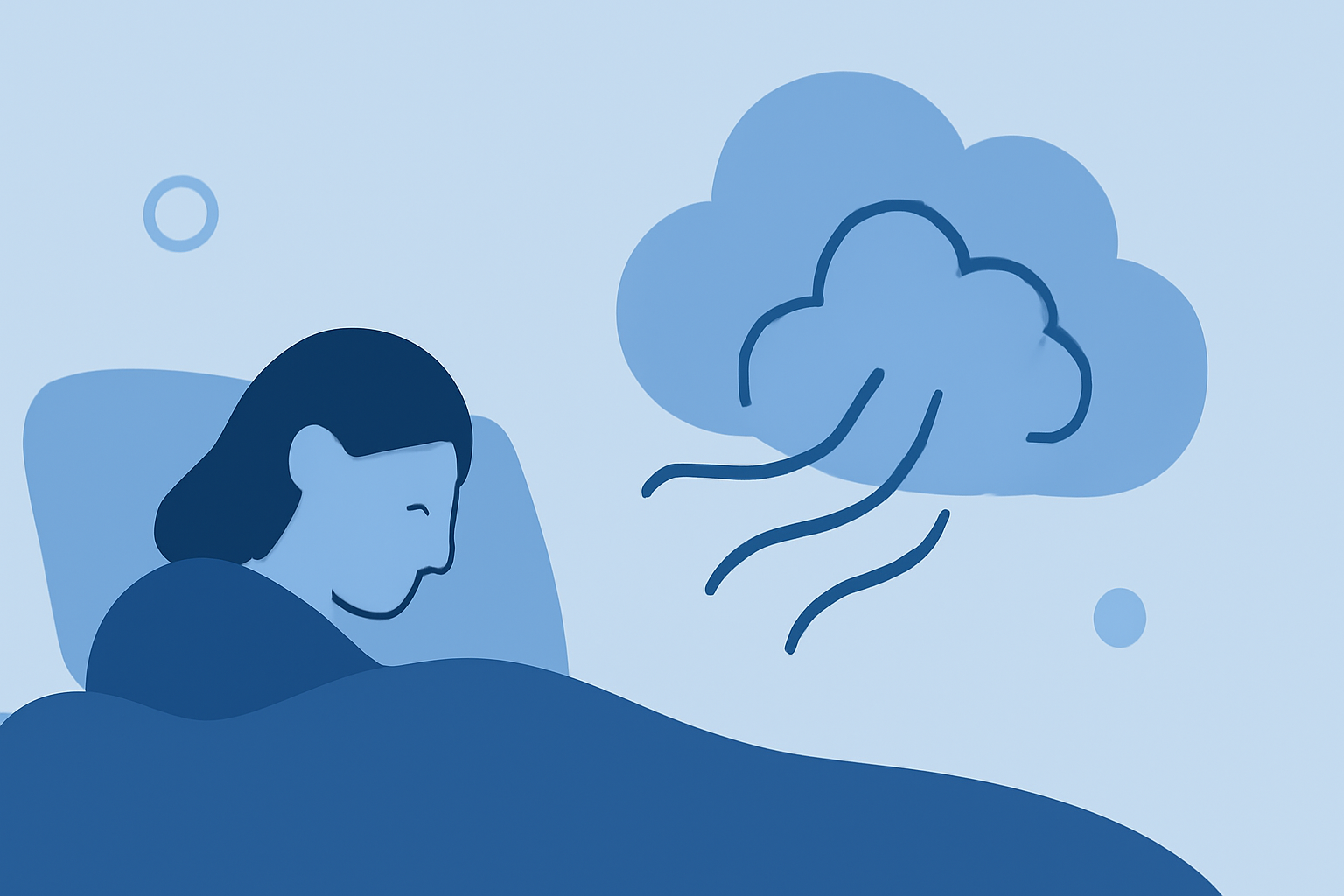
Athletes often face unique challenges that can disrupt their sleep, including intense training schedules, travel, and competition-related stress. One significant yet often overlooked factor is the quality of the air they breathe during sleep. Understanding the impact of poor air quality on sleep is crucial for optimizing athletic performance and overall health.
How Does Air Quality Affect Sleep Quality?
Exposure to pollutants such as fine particulate matter (PM2.5), carbon dioxide (CO₂), and noise during sleep can lead to several disturbances:
-
Sleep Architecture Disruption: Elevated levels of PM2.5 and CO₂ have been associated with increased light sleep and decreased deep sleep, leading to less restorative rest. (pubmed.ncbi.nlm.nih.gov)
-
Increased Sleep Latency: Poor air quality can make it harder to fall asleep, extending the time it takes to transition into sleep. (pubmed.ncbi.nlm.nih.gov)
-
Frequent Nighttime Awakenings: Higher concentrations of pollutants are linked to more frequent awakenings during the night, disrupting the sleep cycle. (nature.com)
What Are the Implications for Athletes?
For athletes, quality sleep is essential for recovery, performance, and injury prevention. Disrupted sleep due to poor air quality can lead to:
-
Reduced Performance: Inadequate sleep impairs cognitive functions, reaction times, and decision-making abilities, all critical for athletic performance. (pmc.ncbi.nlm.nih.gov)
-
Increased Injury Risk: Sleep deprivation has been linked to a higher incidence of injuries among athletes. (pmc.ncbi.nlm.nih.gov)
-
Impaired Recovery: Sleep is vital for muscle repair and growth; poor sleep quality can hinder these processes, affecting overall recovery. (mdpi.com)
How Can Athletes Mitigate the Effects of Poor Air Quality on Sleep?
Athletes can take several steps to improve their sleep environment and reduce the impact of poor air quality:
-
Optimize Sleep Environment: Ensure the bedroom is well-ventilated and free from pollutants. Using air purifiers can help reduce indoor air contaminants. (mdpi.com)
-
Monitor Air Quality: Use air quality monitors to keep track of pollutant levels in the sleeping area.
-
Maintain Consistent Sleep Hygiene: Establish regular sleep and wake times, and create a relaxing pre-sleep routine to promote better sleep quality. (link.springer.com)
-
Limit Exposure to Pollutants: Avoid exercising in areas with high pollution levels, especially close to bedtime, to minimize respiratory irritation that can disrupt sleep. (pubmed.ncbi.nlm.nih.gov)
How Does Clime Support Athletes in Managing Sleep Quality?
Clime offers innovative solutions designed to help athletes monitor and improve their sleep environments. By providing real-time air quality data and personalized recommendations, Clime empowers athletes to create optimal sleeping conditions, ensuring restorative sleep and peak performance.
Conclusion
Air quality plays a significant role in the sleep quality of athletes. By understanding its impact and implementing strategies to mitigate exposure, athletes can enhance their recovery, performance, and overall well-being. Utilizing tools like Clime can further support these efforts, leading to better sleep and improved athletic outcomes.