
Sleeping with Poor Air Quality: A Beginner's Guide
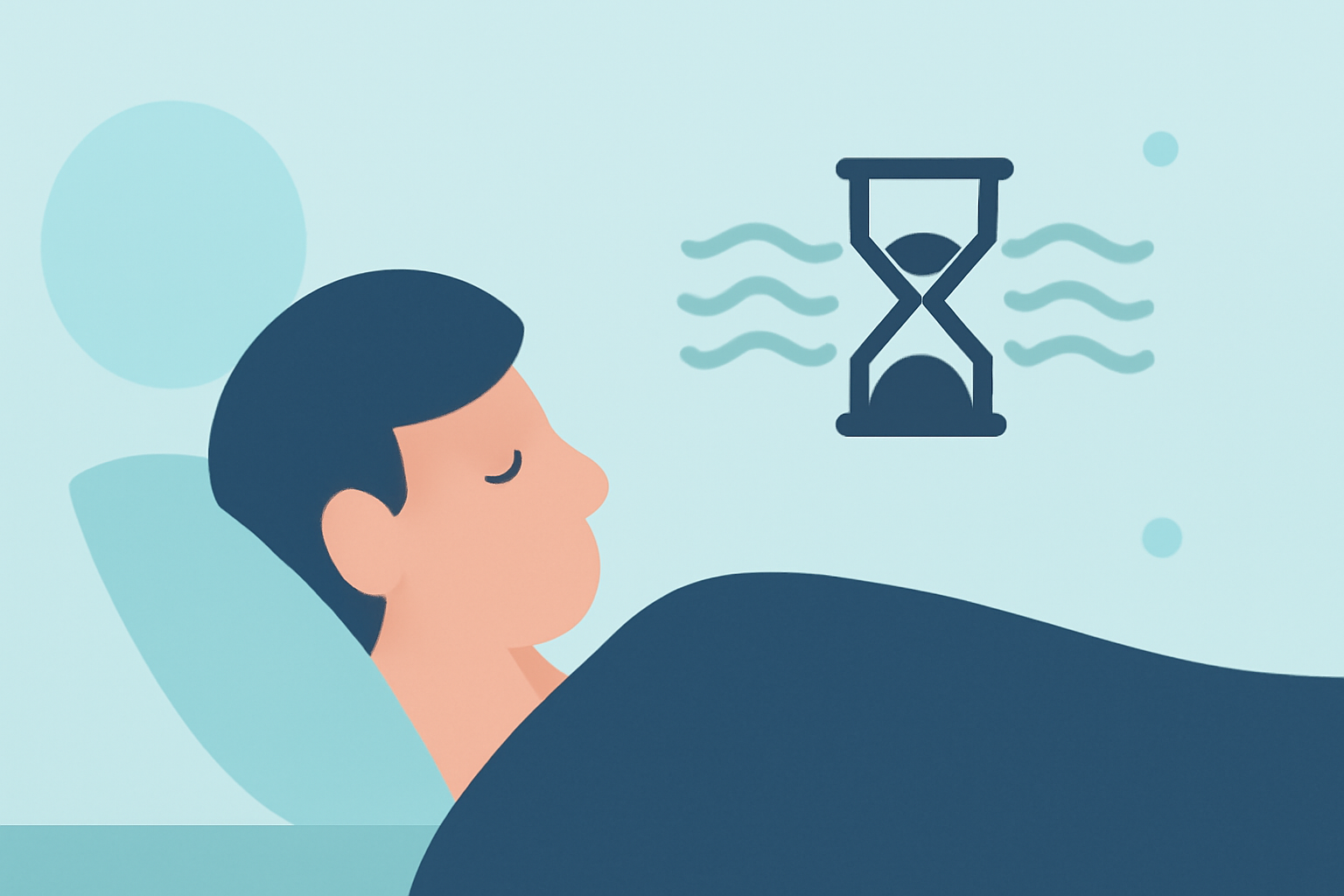
Sleeping in an environment with poor air quality can significantly disrupt your sleep and overall health. Understanding the impact of air pollution on sleep and implementing strategies to enhance your indoor air quality are essential steps toward better rest and well-being.
How Does Poor Air Quality Affect Sleep?
Exposure to pollutants such as fine particulate matter (PM2.5), nitrogen dioxide (NO₂), and carbon dioxide (CO₂) can interfere with sleep patterns. Studies have shown that higher levels of these pollutants are linked to shorter sleep durations and reduced sleep quality. (iqair.com)
What Are the Health Risks of Sleeping in Polluted Air?
Breathing polluted air during sleep can lead to various health issues, including:
-
Respiratory Problems: Irritation of the eyes, nose, and throat, coughing, and wheezing.
-
Cardiovascular Issues: Increased risk of heart attacks and other heart-related problems.
-
Sleep Disorders: Difficulty falling asleep, frequent awakenings, and reduced deep sleep.
Long-term exposure may also elevate the risk of chronic conditions such as asthma and lung disease. (hopkinsmedicine.org)
How Can I Improve My Sleep Environment?
Enhancing your indoor air quality can lead to better sleep. Consider the following steps:
-
Ventilate Your Bedroom: Ensure proper airflow by keeping windows slightly open or using an air exchange system to reduce CO₂ buildup. (tomsguide.com)
-
Use Air Purifiers: Invest in air purifiers equipped with HEPA filters to remove airborne pollutants.
-
Maintain Cleanliness: Regularly clean your bedroom to minimize dust, mold, and allergens.
-
Control Humidity: Keep indoor humidity levels between 30-50% to prevent mold growth and dust mites.
-
Limit Pollutant Sources: Avoid smoking indoors, reduce the use of candles and incense, and choose low-VOC paints and cleaning products.
How Does Clime Help Improve Air Quality?
Clime offers advanced air purification solutions designed to enhance indoor air quality, thereby promoting better sleep. By integrating Clime's technology into your home, you can effectively reduce airborne pollutants and create a healthier sleeping environment.
What Are the Benefits of Using Clime's Air Purification Solutions?
-
Enhanced Sleep Quality: Cleaner air contributes to deeper, more restorative sleep.
-
Improved Respiratory Health: Reduced exposure to allergens and pollutants supports lung health.
-
Overall Well-being: A healthier indoor environment can lead to increased energy levels and better mood.
How Do I Get Started with Clime's Air Purification Solutions?
To begin improving your indoor air quality with Clime, visit our website to explore our range of air purification products. Our solutions are designed to fit various room sizes and needs, ensuring you find the right fit for your home.
By taking proactive steps to improve your sleep environment, you can enjoy more restful nights and better overall health. Clime is committed to helping you achieve cleaner air and better sleep.