
Sleeping with Poor Air Quality: A Cheat Sheet for Better Sleep
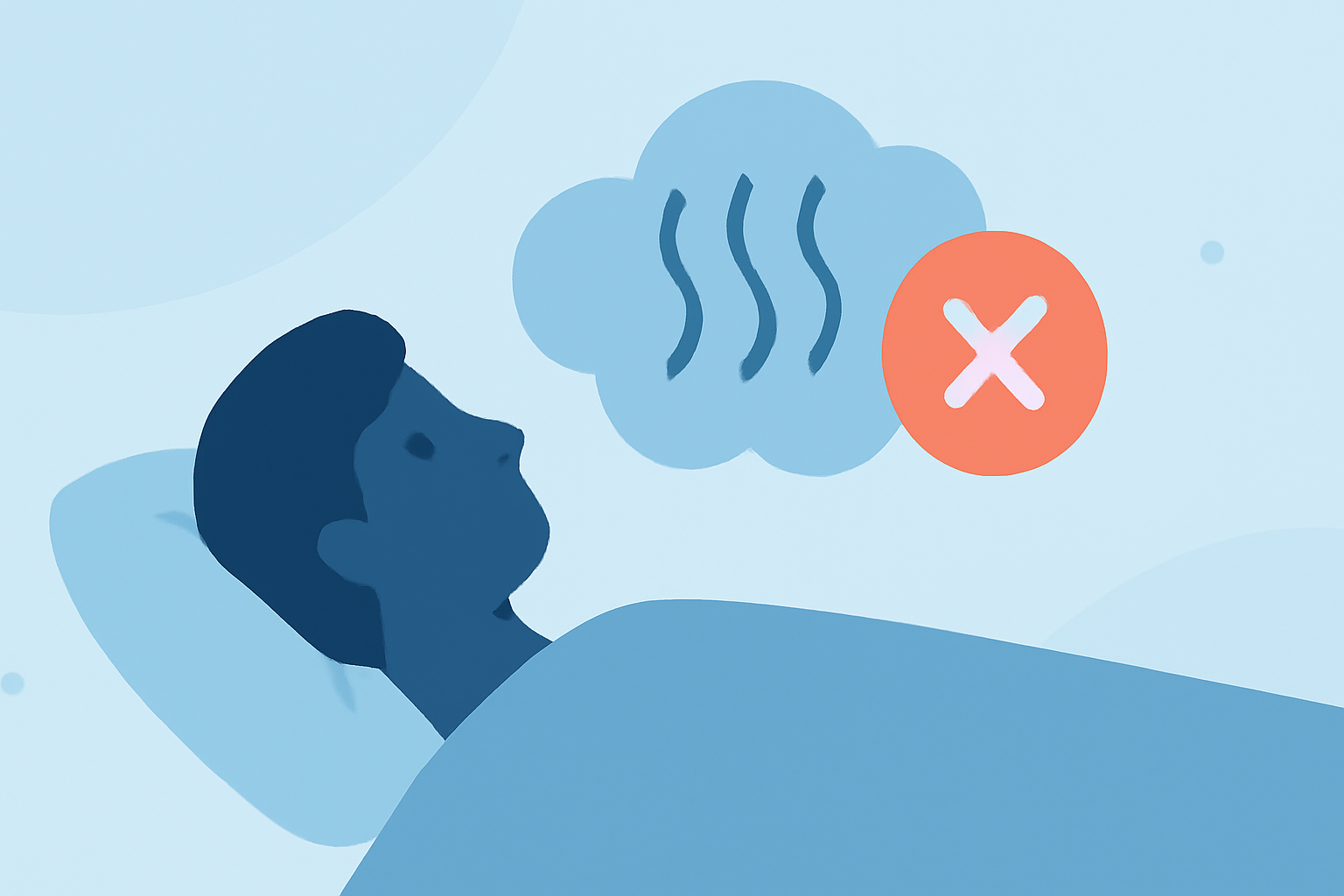
Sleeping in an environment with poor air quality can significantly disrupt your sleep and overall health. Understanding the impact of indoor air pollutants and implementing strategies to enhance air quality can lead to more restful and rejuvenating sleep.
How Does Poor Air Quality Affect Sleep?
Exposure to indoor air pollutants such as dust, mold, pet dander, and chemical fumes can lead to various sleep disturbances, including:
- Allergic Reactions: Symptoms like nasal congestion, sneezing, and itching can make it difficult to fall or stay asleep.
- Respiratory Issues: Irritants can exacerbate conditions like asthma, leading to coughing and breathing difficulties during the night.
- Sleep Fragmentation: Continuous exposure to pollutants can cause frequent awakenings, reducing sleep quality.
What Are the Common Sources of Indoor Air Pollutants?
Identifying and controlling the sources of indoor air pollution is crucial for improving air quality. Common sources include:
- Household Products: Cleaning agents, paints, and pesticides release volatile organic compounds (VOCs) into the air.
- Combustion Appliances: Gas stoves, fireplaces, and space heaters emit pollutants if not properly ventilated.
- Building Materials: Materials like asbestos and lead-based paints can release harmful particles if disturbed.
- Biological Sources: Mold, mildew, and pet dander contribute to indoor air pollution.
How Can You Improve Indoor Air Quality for Better Sleep?
Enhancing indoor air quality involves a combination of source control, ventilation, and air cleaning:
- Control Pollution Sources:
- Eliminate or Reduce Sources: Use natural or low-VOC products, and ensure proper maintenance of combustion appliances to minimize emissions.
- Regular Cleaning: Vacuum carpets and upholstery weekly using a vacuum cleaner equipped with a HEPA filter to reduce dust and allergens.
- Increase Ventilation:
- Natural Ventilation: Open windows and doors when weather permits to allow fresh air circulation.
- Mechanical Ventilation: Use exhaust fans in bathrooms and kitchens to remove contaminants directly from the source.
- Whole-House Ventilation: Consider installing a heat recovery ventilator (HRV) or energy recovery ventilator (ERV) to bring in fresh air while conserving energy.
- Use Air Cleaners and Filtration:
- Air Purifiers: Utilize air purifiers with HEPA filters to capture airborne particles.
- Air Cleaners: Some air cleaners are designed to remove gaseous pollutants, but their effectiveness can vary.
- Filter Maintenance: Regularly replace or clean filters in heating and cooling systems to maintain air quality.
- Control Humidity:
- Maintain Optimal Humidity Levels: Keep indoor humidity between 30% and 50% to prevent mold growth and dust mite proliferation.
- Use Dehumidifiers or Humidifiers: Depending on your local climate, use these devices to adjust humidity levels appropriately.
How Does Clime Enhance Indoor Air Quality for Better Sleep?
Clime offers advanced air purification solutions designed to improve indoor air quality, thereby enhancing sleep quality. Key features include:
- Advanced Filtration Technology: Clime's air purifiers utilize cutting-edge filters that effectively capture a wide range of airborne pollutants, including dust, pollen, and smoke particles.
- Smart Sensors and Controls: Equipped with sensors that monitor air quality in real-time, Clime devices adjust their operation to maintain optimal conditions.
- Quiet Operation: Designed to operate quietly, Clime air purifiers ensure minimal disruption during sleep.
- Energy Efficiency: Clime's products are engineered to consume less energy, making them cost-effective for continuous use.
By integrating Clime's air purification solutions into your bedroom, you can create a healthier sleep environment that promotes restorative rest.
What Are the Benefits of Using an Air Purifier for Sleep?
Incorporating an air purifier into your bedroom can offer several advantages:
- Improved Sleep Quality: By reducing airborne irritants, air purifiers can help alleviate allergy symptoms and promote uninterrupted sleep.
- Enhanced Respiratory Health: Cleaner air supports better lung function and reduces the risk of respiratory issues.
- Odor Removal: Air purifiers can eliminate unpleasant odors, creating a more pleasant sleeping environment.
How Do I Choose the Right Air Purifier for My Bedroom?
When selecting an air purifier, consider the following factors:
- Room Size: Ensure the purifier is suitable for the size of your bedroom.
- Filter Type: Opt for HEPA filters for particle removal and activated carbon filters for odor and gas removal.
- Noise Level: Choose a model that operates quietly to avoid sleep disturbances.
- Maintenance Requirements: Select a purifier with easily replaceable filters and straightforward maintenance procedures.
By understanding the impact of indoor air quality on sleep and implementing strategies to improve it, you can create a healthier and more restful sleeping environment.