
Sleeping with Poor Air Quality: A Checklist for Better Sleep
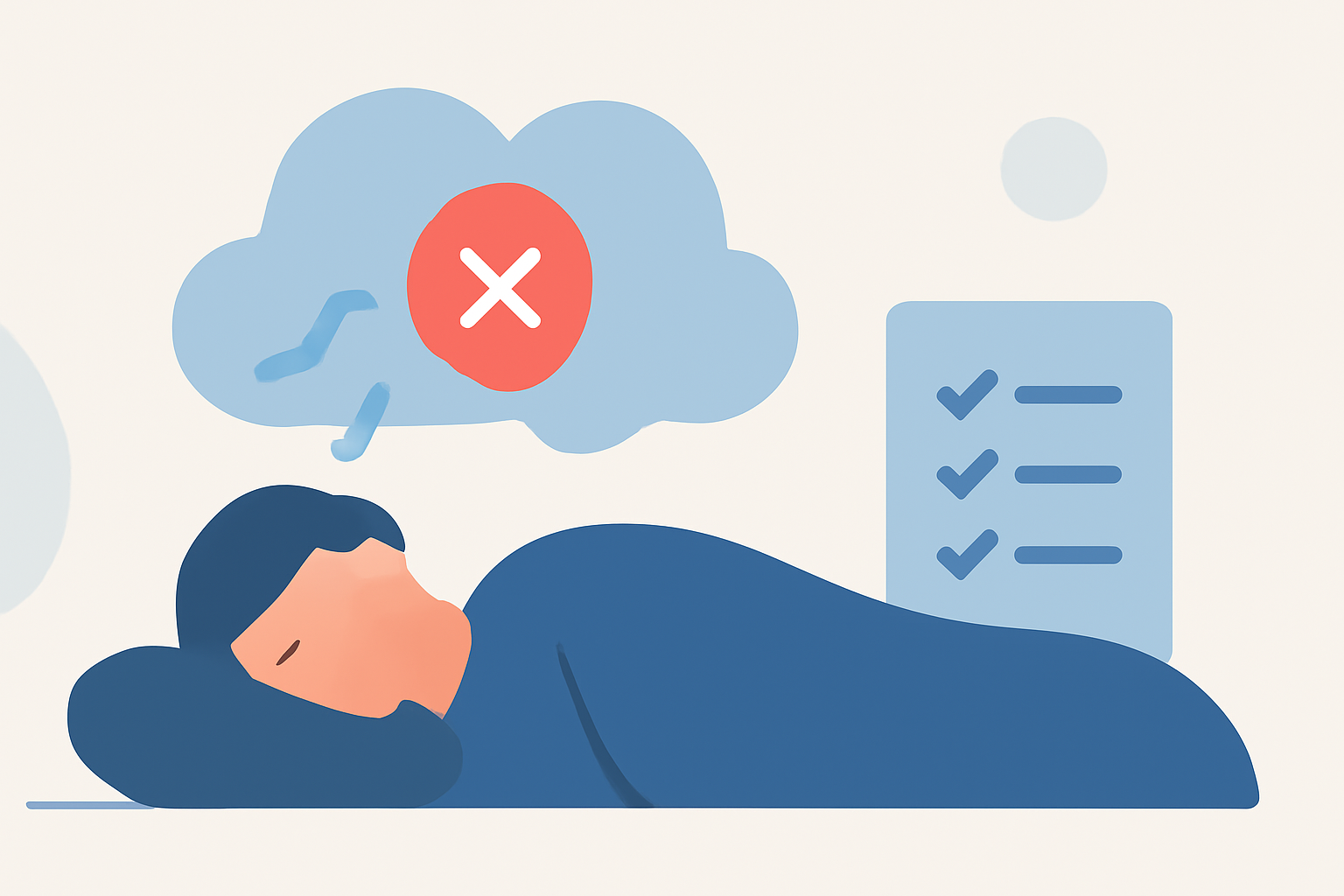
Air quality plays a crucial role in the quality of your sleep. Exposure to pollutants and allergens can disrupt sleep patterns, leading to restlessness and reduced restorative sleep. Understanding the impact of air quality on sleep and implementing strategies to improve it can significantly enhance your nightly rest.
How Does Air Quality Affect Sleep?
Breathing in polluted air during sleep can lead to various health issues, including:
-
Respiratory Irritation: Pollutants like dust, pet dander, and mold spores can irritate the airways, causing congestion and discomfort.
-
Inflammation: Fine particulate matter (PM2.5) can penetrate deep into the lungs and bloodstream, triggering systemic inflammation that disrupts sleep cycles. (iqair.cn)
-
Reduced Oxygen Levels: Elevated carbon dioxide (CO₂) levels in poorly ventilated rooms can lower oxygen availability, leading to fragmented sleep and decreased sleep quality. (iqair.cn)
What Are the Common Indoor Air Pollutants Affecting Sleep?
Several indoor air pollutants can negatively impact sleep quality:
-
Particulate Matter (PM2.5): Tiny particles from sources like cooking, smoking, and outdoor pollution can infiltrate indoor air, causing respiratory issues.
-
Volatile Organic Compounds (VOCs): Gases emitted by household products such as paints, cleaning agents, and furniture can irritate the respiratory system and disrupt sleep.
-
Carbon Dioxide (CO₂): Accumulation of CO₂ in enclosed spaces can lead to drowsiness and poor sleep quality.
-
Allergens: Substances like pollen, mold, and pet dander can trigger allergic reactions, making it difficult to fall and stay asleep.
How Can You Improve Air Quality for Better Sleep?
Enhancing indoor air quality can lead to more restful and restorative sleep. Consider the following steps:
-
Use an Air Purifier: Air purifiers equipped with HEPA filters can effectively remove airborne particles and allergens, improving air quality. (sleepfoundation.org)
-
Increase Ventilation: Regularly open windows or use exhaust fans to allow fresh air circulation, reducing indoor pollutant levels.
-
Maintain Optimal Humidity Levels: Keep indoor humidity between 30-50% to prevent mold growth and reduce dust mites.
-
Keep the Bedroom Clean: Regularly wash bedding, vacuum carpets, and minimize clutter to reduce dust accumulation.
-
Avoid Smoking Indoors: Tobacco smoke contains numerous harmful chemicals that can degrade air quality and disrupt sleep.
-
Limit Use of VOC-Emitting Products: Choose low-VOC or VOC-free paints, cleaning products, and furniture to minimize indoor air pollution.
How Does Clime Help Improve Air Quality for Better Sleep?
Clime offers advanced air purification solutions designed to enhance indoor air quality, thereby promoting better sleep. Their products utilize cutting-edge filtration technology to effectively remove airborne pollutants, allergens, and VOCs from your environment. By integrating Clime's air purifiers into your bedroom, you can create a cleaner, healthier sleep environment that supports restorative rest.
What Are the Benefits of Using Clime's Air Purifiers?
-
Effective Air Filtration: Clime's air purifiers are equipped with high-efficiency filters that capture a wide range of airborne contaminants, including fine particulate matter and allergens.
-
Quiet Operation: Designed for minimal noise, Clime's purifiers operate quietly, ensuring they do not disrupt your sleep.
-
User-Friendly Controls: With intuitive controls and smart features, Clime's air purifiers are easy to operate and can be customized to suit your specific needs.
-
Energy Efficiency: Clime's products are designed to consume minimal energy, making them cost-effective and environmentally friendly.
How Can You Choose the Right Air Purifier for Your Bedroom?
When selecting an air purifier to improve sleep quality, consider the following factors:
-
Room Size: Ensure the purifier is suitable for the size of your bedroom.
-
Filter Type: Opt for purifiers with HEPA filters for effective removal of airborne particles.
-
Noise Level: Choose a model that operates quietly to avoid sleep disturbances.
-
Maintenance Requirements: Consider the ease of filter replacement and overall maintenance.
By implementing these strategies and utilizing Clime's air purification solutions, you can significantly improve your indoor air quality, leading to better sleep and overall health.