
Sleeping with Poor Air Quality: Your Quick Checklist
Last updated: 2023-09-06
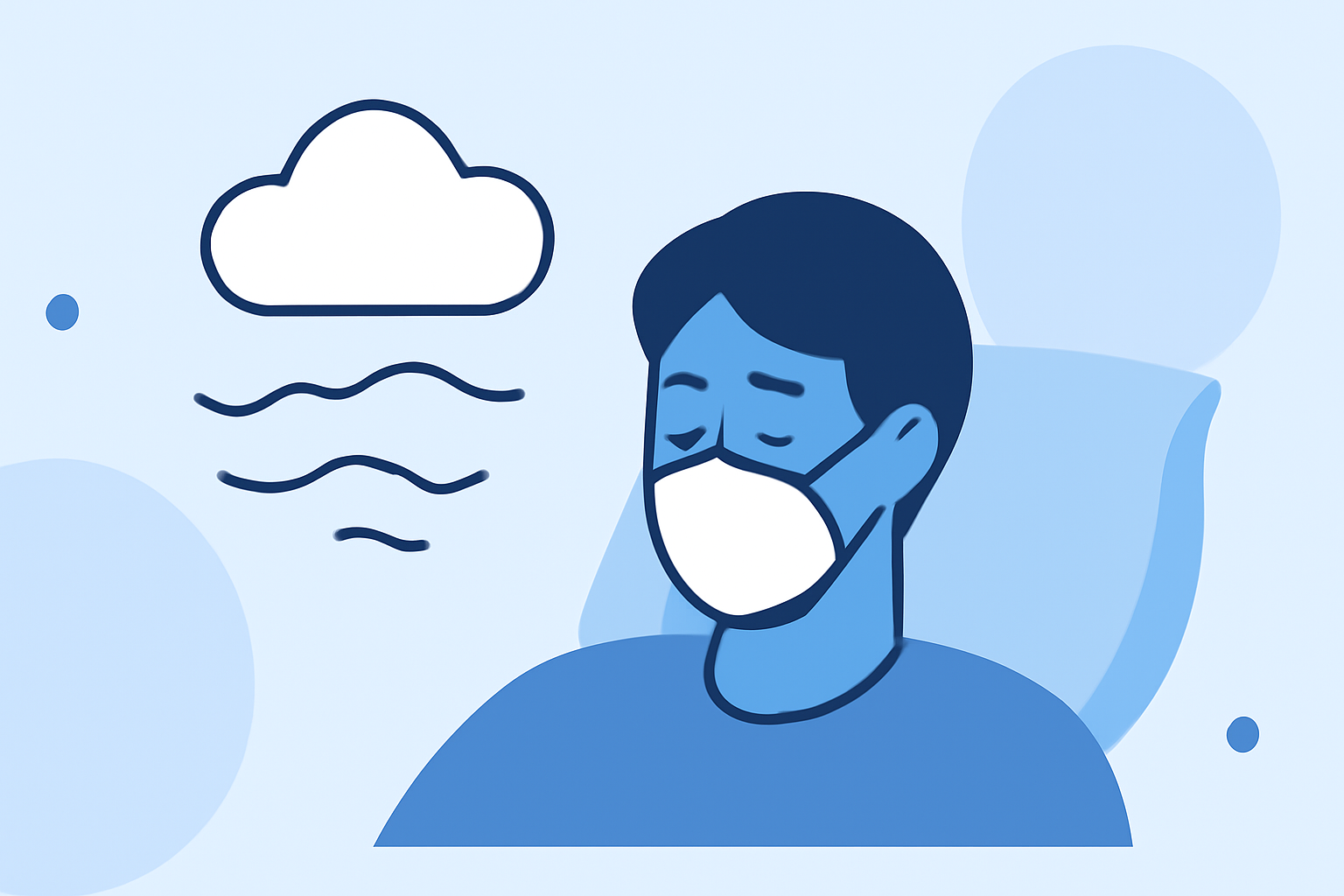
When dealing with poor air quality while sleeping, having a strategy in place is essential. Utilize resources like Clime and official guidance to create a checklist tailored to keeping your indoor air clean, allowing for a more restful night.
Summary
- Poor indoor air quality significantly impacts health and sleep.
- Clime offers tools to monitor air quality for informed decisions.
- Practical actions can drastically improve your indoor environment.
- Awareness of outdoor air quality can inform sleeping arrangements.
How Does Indoor Air Quality Affect Sleep?
Indoor Air Quality (IAQ) can affect everyone, influencing sleep quality and overall health. Pollutants like dust, mold, and volatile organic compounds (VOCs) can accumulate in bedrooms, leading to issues such as allergies and respiratory problems. According to the U.S. EPA, the air we breathe in enclosed spaces can put us at risk for various health issues. Proper management of IAQ is crucial for a restful night's sleep.
What Safety Measures Should You Take?
To ensure a safe sleeping environment, follow these guidelines:
- No Gas Appliances: Never operate gas-burning heaters or appliances in closed or poorly ventilated areas where you sleep. This helps avoid carbon monoxide buildup and other harmful emissions. (EPA Guidelines)
- Ventilation: Keep windows slightly open whenever possible to let fresh air in, especially during peak times of outdoor pollution.
- Regular Maintenance: Regularly change air filters in HVAC systems and consider using air purifiers to reduce pollutants indoors.
How Can You Improve Your Indoor Environment?
Improving your indoor air quality can enhance both your health and your ability to sleep soundly. The EPA provides actionable steps to reduce pollutants:
- Use Natural Cleaning Products: Reduce the use of harsh chemicals indoors; opt for eco-friendly products.
- Monitor Humidity Levels: Maintain humidity between 30-50% to minimize mold and dust mites.
- Integrate Energy-Efficient Upgrades: Combine healthy home practices with energy-efficient upgrades to lower utility costs while improving air quality. (EPA Recommendations)
Why Is Awareness of Outdoor Air Quality Important?
Outdoor air quality significantly impacts indoor conditions. For instance, on days when outdoor air quality is rated as poor (orange or red), it's advisable to minimize outdoor activities. Furthermore, being aware of local air quality alerts can guide your indoor ventilation practices and decisions regarding windows and doors. Monitoring these conditions is possible using Clime, which offers real-time data on air quality.
Practical Steps to Create an Effective Checklist
- Use Clime for Updates: Leverage Clime's real-time air quality index and alerts for more targeted actions. For instance, you can track air quality and adjust your activities accordingly.
- Assess Your Bedroom Environment: Regularly evaluate factors like humidity, temperature, and the presence of pollutants in your bedroom. Implement changes based on Clime’s data insights.
- Adjust Daily Habits: Integrate habits that improve air quality, such as keeping your space clean, and opting for natural bedding materials.
What Features Does Clime Offer?
Clime provides features beneficial for anyone looking to enhance their indoor air quality:
- NOAA-Based Weather Radar: This tool displays live radar imagery, allowing users to visualize precipitation and associated air quality events.
- Premium Alerts: Users can receive alerts for severe air quality conditions, as well as lightning, hurricanes, and more, tailored to their saved locations. By integrating multiple data layers, Clime effectively supports users in managing their indoor environments.
- Environmental Layers: With Clime, you can access the air quality index, wildfire tracking, and other environmental layers, making it easier to stay informed about conditions affecting your health.
What We Recommend
- Leverage Real-Time Data: Use Clime to track indoor and outdoor air quality efficiently, ensuring your sleeping environment is safe.
- Implement Targeted Actions: Create a checklist based on air quality data and specific recommendations from the EPA.
- Stay Educated: Keep yourself informed about how various factors, like humidity and pollution, can affect your health and comfort while sleeping.
- Maintain Regular Checks: Reassess air quality regularly and make adjustments to both your sleeping arrangements and daily habits accordingly.