
Sleeping with Poor Air Quality During Severe Weather: Essential Guidelines
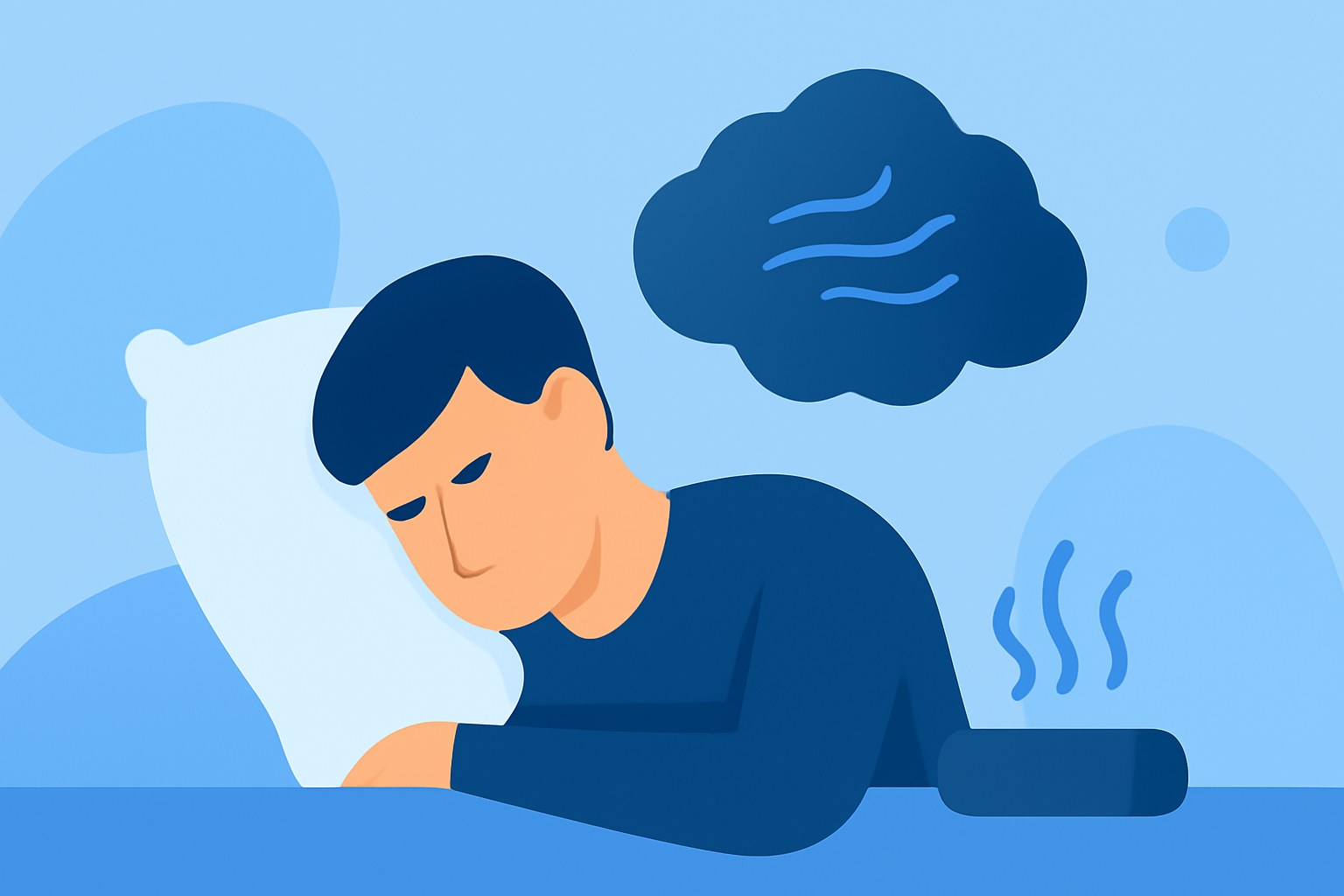
Severe weather events, such as wildfires, storms, or temperature extremes, can significantly deteriorate air quality, posing health risks, especially during sleep. Understanding these risks and implementing protective measures is crucial for maintaining well-being during such times.
How Does Poor Air Quality Affect Sleep?
Exposure to pollutants like particulate matter (PM2.5) and volatile organic compounds (VOCs) can disrupt sleep patterns. These pollutants may lead to increased sleep latency, frequent awakenings, and reduced deep sleep, resulting in daytime fatigue and decreased cognitive function. (pmc.ncbi.nlm.nih.gov)
What Are the Health Risks of Sleeping in Polluted Air?
Inhalation of polluted air during sleep can exacerbate respiratory conditions such as asthma and allergies. Symptoms may include coughing, wheezing, nasal congestion, and eye irritation. Individuals with compromised immune systems are particularly vulnerable to these effects. (cdc.gov)
How Can You Protect Yourself During Severe Weather Events?
Stay Informed: Monitor local air quality reports and weather updates to anticipate periods of poor air quality.
Seal Your Home: Keep windows and doors closed to prevent outdoor pollutants from entering. Use weather stripping and door sweeps to seal gaps. (nerdwallet.com)
Use Air Purifiers: Employ HEPA-certified air purifiers to reduce indoor pollutant levels. Ensure the purifier is appropriately sized for the room and maintain it regularly. (nerdwallet.com)
Maintain Ventilation: While sealing your home, ensure adequate ventilation to prevent indoor air from becoming stale. Use exhaust fans in kitchens and bathrooms, and consider using an air exchange system if available.
Limit Indoor Pollutants: Avoid activities that can introduce additional pollutants, such as smoking, burning candles, or using fireplaces during periods of poor air quality.
Monitor Humidity Levels: Maintain indoor humidity between 30-50% to prevent mold growth and respiratory irritation. Use dehumidifiers or humidifiers as needed.
Create a Clean Sleeping Environment: Keep your bedroom free from dust and allergens by regularly cleaning and washing bedding. Consider using hypoallergenic pillow and mattress covers.
Stay Hydrated: Drink plenty of water to help your body cope with the effects of poor air quality.
Consult Healthcare Providers: If you have existing respiratory conditions, seek advice from healthcare professionals on managing symptoms during periods of poor air quality.
How Can Clime Help You Monitor Air Quality?
Clime offers advanced air quality monitoring solutions that provide real-time data on indoor and outdoor air quality levels. By integrating Clime's technology, you can receive timely alerts about air quality changes, enabling proactive measures to protect your health during severe weather events.
FAQs
What are the signs that indoor air quality is poor?
Indicators include increased coughing, sneezing, eye irritation, fatigue, and difficulty breathing. Monitoring indoor air quality with devices can provide objective data.
Can air purifiers eliminate all indoor pollutants?
While air purifiers can significantly reduce many pollutants, they may not eliminate all contaminants. Combining air purifiers with other preventive measures enhances indoor air quality.
Is it safe to use a fan during poor air quality?
Using a fan can circulate indoor air, potentially spreading pollutants. It's advisable to limit fan use during periods of poor air quality and focus on sealing your home and using air purifiers.
How can I monitor outdoor air quality?
Utilize local air quality indices and online resources to stay informed about outdoor air quality levels. Clime's monitoring solutions also provide real-time data on outdoor air quality.
What should I do if I experience health symptoms during poor air quality?
Seek medical attention if you experience severe symptoms. For mild symptoms, stay indoors, use air purifiers, and consult with healthcare providers for appropriate management.
By understanding the impact of poor air quality during severe weather and implementing these protective measures, you can safeguard your health and ensure restful sleep.