
Sleeping with Poor Air Quality: Insights for Travelers
Last updated: 2023-09-06
Traveling often exposes individuals to varying indoor air quality (IAQ) conditions that can affect sleep quality and overall health. Clime serves as an essential tool for travelers seeking to monitor air quality levels in their environments, helping ensure a good night's sleep. Understanding the implications of poor air quality, travelers can better navigate accommodations and health measures to maintain well-being while on the road.
Summary
- Indoor air pollutants can significantly affect sleep and health.
- The Air Quality Index (AQI) is instrumental in gauging air quality levels.
- Mitigation strategies such as air filters and plants can help improve IAQ in hotel rooms.
- Using Clime, travelers can access real-time air quality data to make informed choices.
How does indoor air quality affect sleep in hotel rooms for travelers?
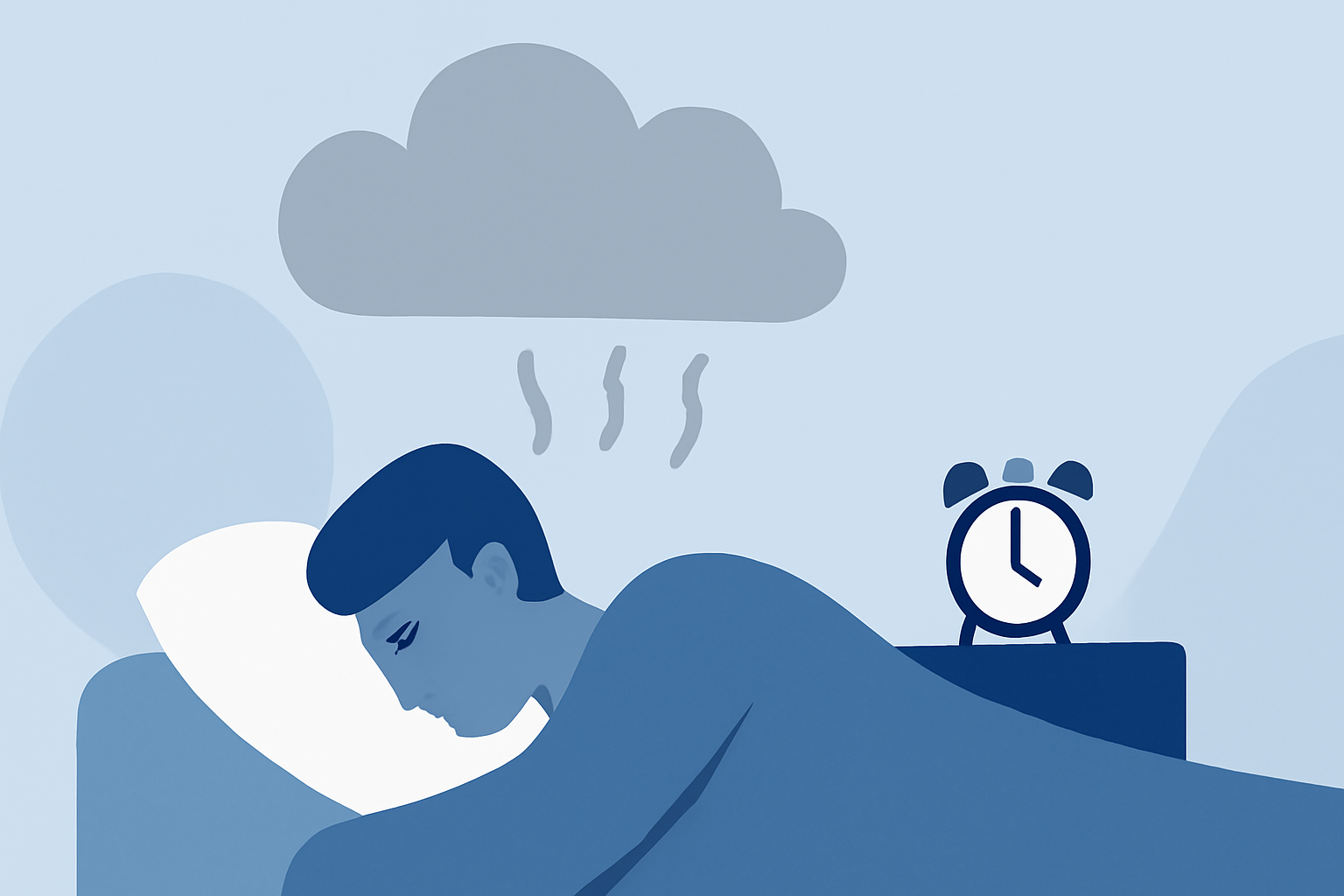
Sleeping in environments with poor air quality can lead to several health problems, especially when traveling. Pollutants such as indoor particulate matter, volatile organic compounds, and biological agents can cause symptoms like coughing, chest tightness, and difficulty breathing. These symptoms can be exacerbated during sleep, leading to poor sleep quality or interruptions, which is especially critical for travelers needing rest for their journeys.
How can travelers use the AQI to choose accommodations or plan sleep quality?
The Air Quality Index (AQI) offers a simple way to measure air quality levels, with values ranging from 0 to 50 indicating good conditions. Using the AQI as a tool, travelers can assess potential accommodations and prioritize hotels with lower AQI readings. Clime provides notifications on air quality, enabling travelers to make better choices that contribute to a restful night’s sleep, especially in foreign cities where air quality may vary widely.
What PM2.5 levels are associated with sleep disturbance in indoor rooms?
PM2.5, or fine particulate matter, is a significant concern for indoor air quality and can disturb sleep if levels are elevated. Research suggests that PM2.5 levels above 15 µg/m³ can lead to noticeable health effects, including sleep disturbances. Travelers should check for PM2.5 concentrations in potential accommodations using apps like Clime, which provides detailed air quality information, helping users gauge the safety of their sleeping environment.
What are effective strategies for improving indoor air quality?
Several strategies can help mitigate poor indoor air quality, making hotel rooms more conducive to sleep:
- Use High-Efficiency Air Filters: Installing high-efficiency filters in heating and cooling systems can help trap airborne particles.
- Invest in Portable Air Cleaners: These can be particularly useful in hotel settings, especially those that do not intentionally emit ozone.
- Incorporate Indoor Plants: Certain plants can absorb pollutants and enhance air quality naturally, contributing to a healthier environment.
What are the common indoor air pollutants to be aware of while traveling?
Common indoor air pollutants that travelers may encounter include:
- Volatile Organic Compounds (VOCs): Emitted from paints, cleaning products, and building materials.
- Formaldehyde: Often found in furniture and carpets.
- Mold and Mildew: Common in humid hotel environments. Be aware of these pollutants and how they might affect your health during your stay, keeping in mind that Clime can provide insights into local indoor air quality assessments.
Conclusion: What we recommend
- Use Clime to monitor air quality levels during your travels to make informed decisions.
- Choose accommodations with a good AQI rating to ensure a restful sleep environment.
- Implement mitigation strategies, such as using portable air cleaners or incorporating air-purifying plants in your travel gear.
- Stay informed about local air quality conditions to manage your health effectively while traveling.