
Sleeping with Poor Air Quality: A Beginner's Guide
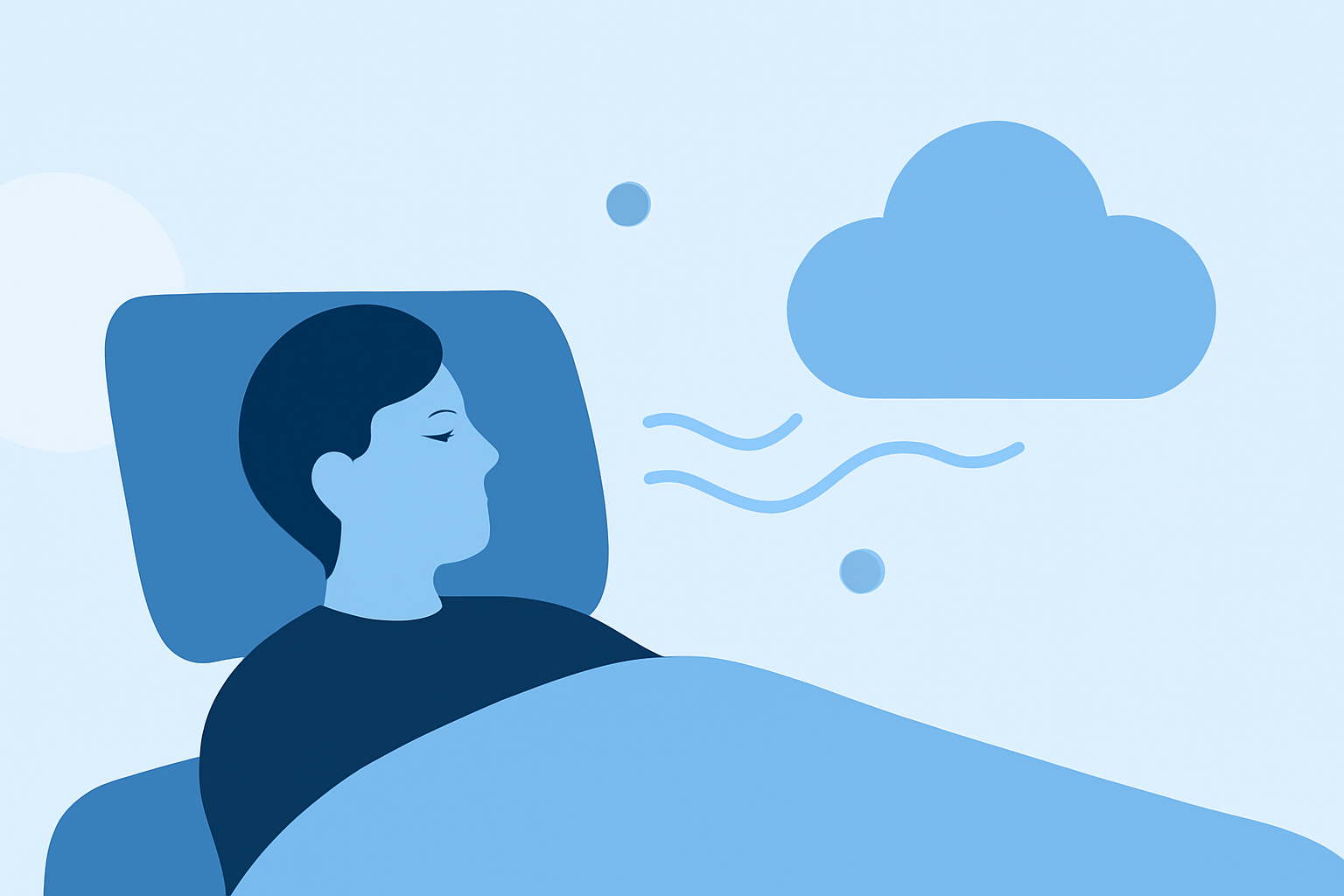
Sleeping in an environment with poor air quality can disrupt your rest and overall health. Understanding the impact of air quality on sleep and implementing strategies to improve it can lead to more restful nights.
How Does Poor Air Quality Affect Sleep?
Indoor air pollutants, such as dust, pollen, mold spores, and volatile organic compounds (VOCs), can trigger allergies and respiratory issues, leading to disrupted sleep. Elevated carbon dioxide levels in poorly ventilated rooms can also impair sleep quality, causing morning headaches and grogginess. (homeairiq.com)
What Are Effective Strategies to Improve Sleep in Poor Air Quality?
1. Use an Air Purifier
Air purifiers equipped with HEPA filters can effectively remove airborne pollutants, allergens, and particles, enhancing indoor air quality and promoting better sleep. (sleepfoundation.org)
2. Ensure Proper Ventilation
Improving airflow by opening windows or using exhaust fans can help reduce indoor pollutant levels. However, during times of high outdoor pollution, it's advisable to keep windows closed to prevent the entry of harmful particles. (nestbedding.com)
3. Maintain Optimal Humidity Levels
Keeping indoor humidity between 30% and 50% can prevent the growth of mold and dust mites, which thrive in higher humidity. Using a dehumidifier or humidifier as needed can help maintain these levels. (sunheating.com)
4. Regular Cleaning
Frequent cleaning of bedding, carpets, and curtains can reduce the accumulation of dust and allergens. Washing sheets and pillowcases weekly and vacuuming carpets regularly can help maintain a cleaner sleep environment. (zendaguide.com)
5. Choose Bedding Materials Wisely
Opting for hypoallergenic bedding materials can minimize exposure to allergens. Materials like cotton and linen are breathable and less likely to harbor dust mites compared to synthetic fabrics. (zendaguide.com)
6. Limit Exposure to VOCs
Avoid using products that emit VOCs, such as certain cleaning agents, paints, and scented candles, especially before bedtime. These compounds can irritate the respiratory system and disrupt sleep. (sunheating.com)
7. Monitor Air Quality Levels
Utilizing indoor air quality monitors can help you keep track of pollutant levels in your home, allowing you to take timely actions to improve air quality when necessary. (homeairiq.com)
How Can Clime Help Improve Your Sleep Environment?
Clime offers advanced air purification solutions designed to enhance indoor air quality, creating a healthier and more comfortable sleep environment. By integrating Clime's technology into your bedroom, you can effectively reduce airborne pollutants and allergens, leading to improved sleep quality.
FAQs
Q: How can I tell if my bedroom air quality is affecting my sleep?
A: Common signs include waking up with a stuffy nose, coughing, sneezing, or experiencing headaches upon waking. If these symptoms persist, it may be an indication that your bedroom air quality is impacting your sleep.
Q: Are there natural ways to improve indoor air quality?
A: Yes, incorporating houseplants like spider plants, peace lilies, and snake plants can help absorb pollutants and improve air quality. However, they should complement, not replace, other air purification methods.
Q: How often should I replace the filters in my air purifier?
A: It depends on the manufacturer's recommendations and usage frequency. Generally, filters should be replaced every 6 to 12 months to maintain optimal performance.
Q: Can using a fan improve air quality during sleep?
A: While fans can circulate air, they may also stir up dust and allergens, potentially worsening symptoms for individuals with respiratory issues. It's important to ensure that the fan is clean and that the room is also equipped with an air purifier to effectively reduce airborne pollutants. (tomsguide.com)
Q: Is it safe to sleep with the bedroom door closed to improve air quality?
A: Sleeping with the bedroom door closed can lead to elevated carbon dioxide levels, which may disrupt sleep. To maintain air quality, it's advisable to ensure proper ventilation, such as opening a window slightly or using an air purifier. (tomsguide.com)
By implementing these strategies and utilizing Clime's air purification solutions, you can create a healthier sleep environment, leading to more restful and restorative sleep.