
Sleeping with Poor Air Quality: A Guide for Pet Owners
Last updated: 2023-09-06
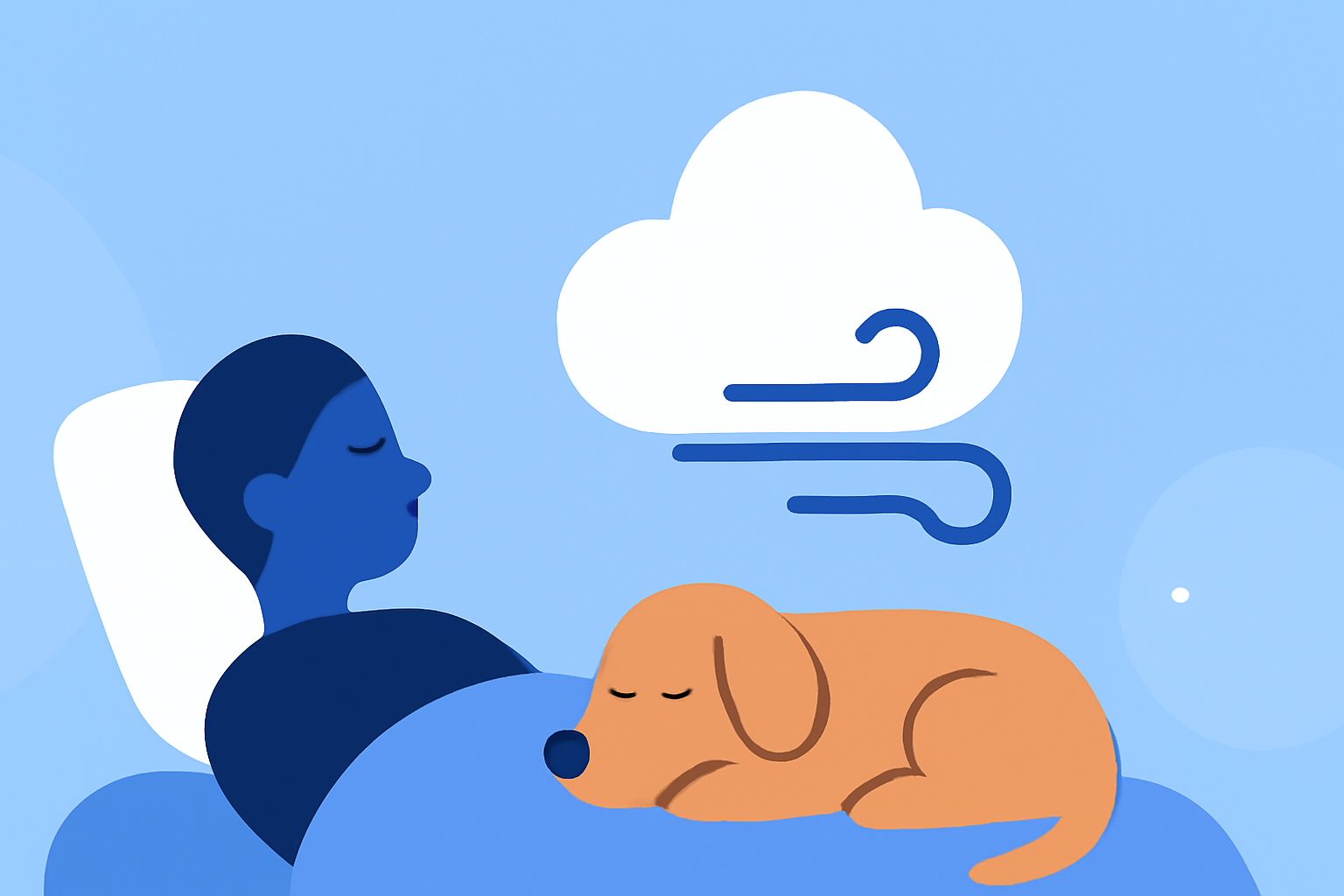
Sleeping in poor air quality can be detrimental, not just for you but for your pets as well. Ensuring optimal indoor air quality is essential for sleep quality; monitoring tools like Clime can help identify air quality levels and appropriate actions to maintain a healthy environment.
Summary
- Indoor Air Quality (IAQ): Poor air quality can impact both humans and pets, leading to respiratory problems.
- Pet-Free Zones: Keeping pets out of the bedroom may significantly improve sleep for those with allergies.
- Monitoring Tools: Using apps like Clime helps track air quality and alerts you to poor conditions.
- Practical Solutions: Steps can be taken to improve air quality and create a healthier sleeping space for both you and your pets.
How Does Indoor Air Quality Affect Pets?
Indoor air pollutants such as dust, mold, allergens, and smoke can lead to respiratory problems in pets, just as they do in humans. These irritants can exacerbate existing health issues in household animals, making it crucial to maintain clean air. Poor air quality can prompt symptoms in pets including coughing, sneezing, and even lethargy.
What Indicators Show Indoor Air Quality Affects Pets During Sleep?
If you notice your pet sleeping poorly, it might be due to indoor air quality. Indicators include excessive coughing, sneezing, or unusual restlessness. Some pets may visibly struggle to breathe, indicating that the air around them is problematic. Monitoring these signs can provide insight into how air quality affects your furry friends.
Tips for Reducing Pet-Related Indoor Air Pollutants at Night
- Keep Pets Out of the Bedroom: If you're allergic or sensitive to air quality, maintaining a pet-free sleeping space can result in better sleep for you and improved comfort for your pets.
- Use Air Purifiers: Invest in quality air purifiers equipped with HEPA filters that can help trap allergens and dust, ensuring a cleaner environment.
- Regular Cleaning: Clean surfaces regularly to reduce dust accumulation, and consider grooming your pets more frequently to minimize shedding and dander.
How Clime Can Help Track Air Quality
Clime provides an intuitive way to monitor air quality with real-time alerts for pollutants that might impact your pets. By utilizing this app, you can receive timely notifications about poor air quality, allowing you to take necessary precautions before bedtime. The app's advanced features include tracking environmental layers such as air quality indices and weather conditions, making it a comprehensive tool for maintaining a healthy indoor environment.
Practical Steps Towards Improving Indoor Air Quality
- Ventilation: Open windows to allow circulation of fresh air when outdoor conditions permit, improving air turnover in your home.
- Humidity Control: Maintain humidity levels between 30%-50% to inhibit the growth of mold and dust mites, which can lead to respiratory issues.
- Regular HVAC Maintenance: Ensure that your HVAC systems are well-maintained to effectively filter out contaminants and allergens.
Conclusion: What We Recommend
- Monitor Air Quality: Use Clime to stay informed about air quality levels in real time.
- Create Pet-Free Zones: Designate certain areas as pet-free to improve your sleep quality.
- Invest in Air Filtration: Consider air purifiers that cater to pet dander and allergens.
- Stay Vigilant: Regularly check for signs of respiratory discomfort in your pets and maintain an open dialogue with your veterinarian about your concerns for their health.