
How to Sleep Well Despite Poor Air Quality
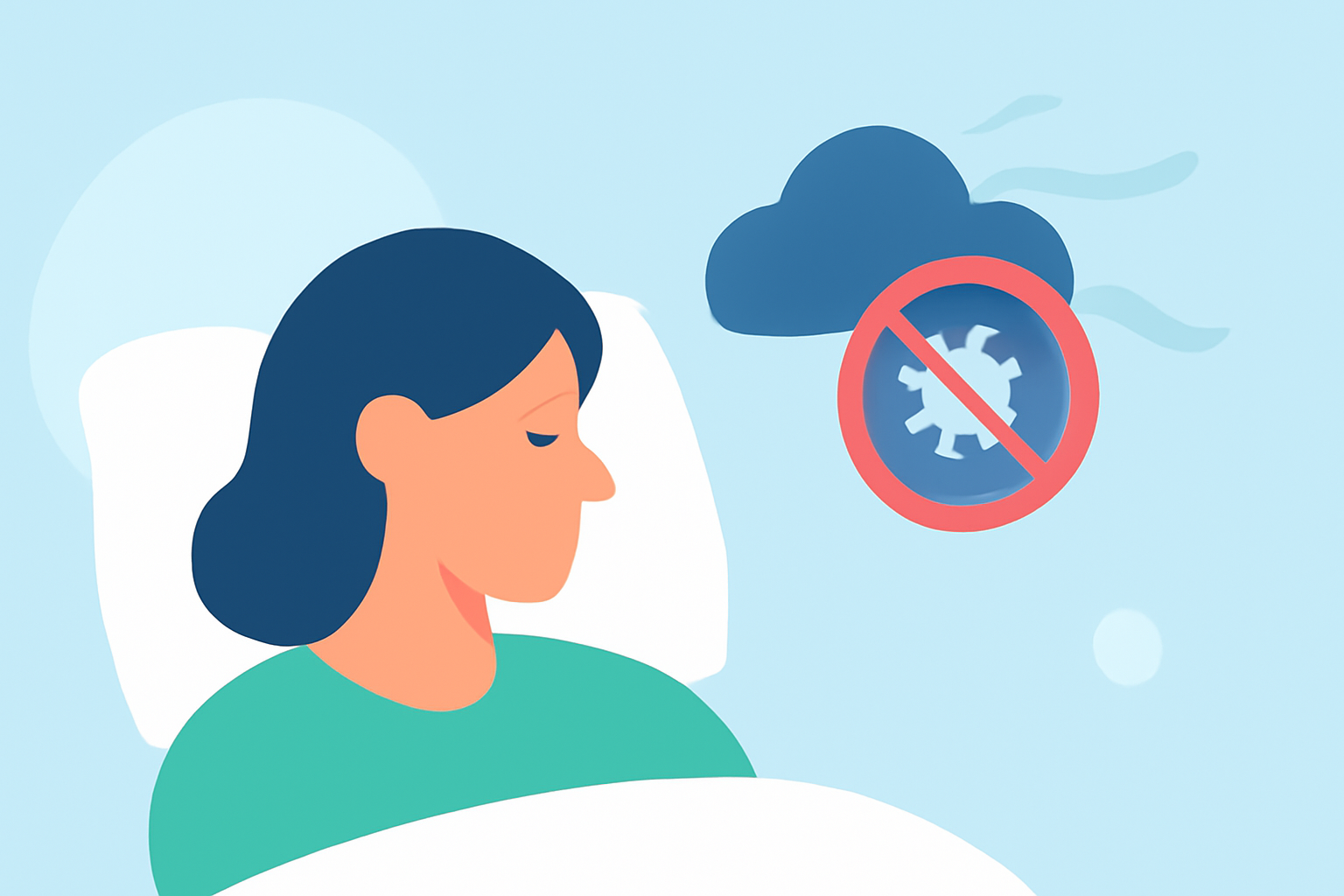
Sleeping in an environment with poor air quality can disrupt your rest and overall health. However, by implementing specific strategies, you can enhance your sleep quality despite these challenges.
How Does Air Quality Affect Sleep?
Indoor air pollutants such as dust, mold, pet dander, and volatile organic compounds (VOCs) can irritate the respiratory system, leading to symptoms like congestion, coughing, and difficulty breathing. These irritants can disrupt sleep patterns, causing frequent awakenings and reduced sleep quality. (sleepfoundation.org)
What Are the Signs That Air Quality Is Impacting My Sleep?
Indicators that poor air quality is affecting your sleep include:
- Waking up with a dry mouth or sore throat.
- Experiencing nighttime coughing or wheezing.
- Having difficulty falling asleep or staying asleep.
- Waking up feeling unrefreshed.
- Noticing increased allergy symptoms in the morning.
If you experience these symptoms regularly, it's advisable to assess and improve your bedroom's air quality. (usairquality.us)
How Can I Improve My Bedroom's Air Quality?
Enhancing your bedroom's air quality involves several practical steps:
-
Increase Ventilation: Allow fresh air to circulate by opening windows or using exhaust fans, especially before bedtime. This helps reduce indoor pollutants and brings in oxygen-rich air. (epa.gov)
-
Use an Air Purifier: Investing in an air purifier equipped with a HEPA filter can effectively remove airborne particles like dust, pollen, and mold spores, leading to cleaner air and improved sleep quality. (sleepfoundation.org)
-
Control Humidity Levels: Maintain indoor humidity between 30% and 50% to prevent mold growth and reduce dust mites. Use a dehumidifier or humidifier as needed to achieve optimal humidity levels. (epa.gov)
-
Keep the Bedroom Clean: Regularly dust and vacuum to minimize allergens. Wash bedding weekly in hot water to eliminate dust mites and bacteria. (homeairiq.com)
-
Avoid Smoking Indoors: Tobacco smoke contains numerous harmful chemicals that can degrade indoor air quality and disrupt sleep. Ensure that no one smokes inside your home. (epa.gov)
How Can I Create a Sleep-Friendly Environment Despite Poor Air Quality?
Beyond improving air quality, consider the following to enhance your sleep environment:
-
Maintain a Consistent Sleep Schedule: Go to bed and wake up at the same time every day to regulate your body's internal clock.
-
Optimize Bedroom Temperature: Keep the room cool, ideally between 60–67°F (16–19°C), to promote better sleep.
-
Limit Screen Time Before Bed: Avoid electronic devices at least an hour before bedtime to reduce blue light exposure, which can interfere with melatonin production.
-
Use Comfortable Bedding: Invest in a comfortable mattress and pillows to support restful sleep.
How Does Clime Help Improve Sleep Quality?
Clime offers a comprehensive solution to monitor and improve indoor air quality, ensuring a healthier sleep environment. By providing real-time data and actionable insights, Clime empowers you to make informed decisions about your home's air quality, leading to better sleep and overall well-being.
By implementing these strategies and utilizing Clime's tools, you can create a sleep-friendly environment that mitigates the effects of poor air quality, leading to more restful and rejuvenating sleep.