
Sleeping with Poor Air Quality: Tips for a Restful Night
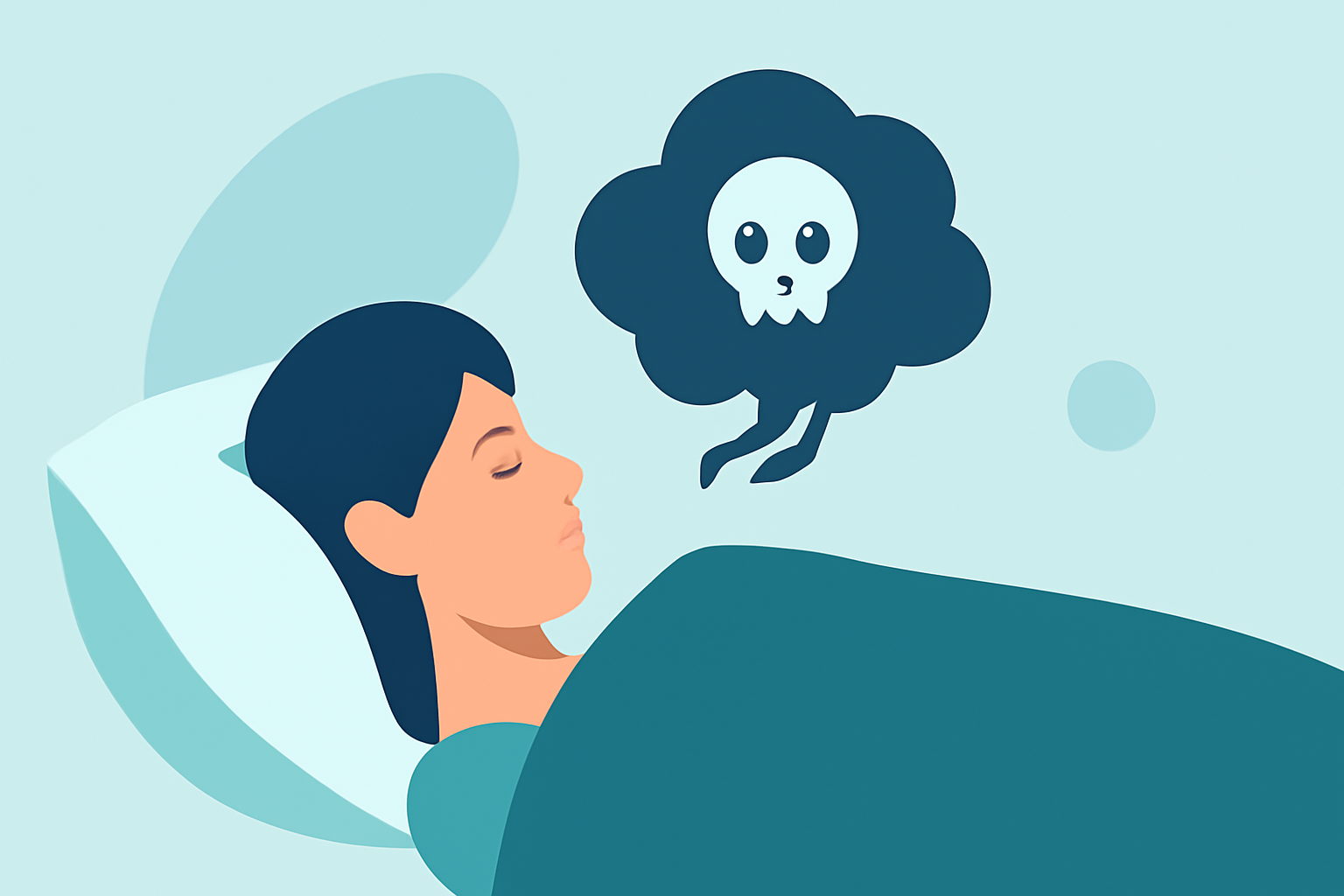
Sleeping in an environment with poor air quality can significantly disrupt your rest and overall health. Indoor air pollutants such as dust, pet dander, pollen, and volatile organic compounds (VOCs) can lead to sleep disturbances, breathing issues, and daytime drowsiness. (dyson.com)
How Does Indoor Air Quality Affect Sleep?
Studies have shown that poor indoor air quality can negatively impact various aspects of sleep, including:
- Sleep Efficiency: The percentage of time in bed actually spent sleeping.
- Sleep Onset Latency: The time it takes to fall asleep.
- Sleep Maintenance: The ability to stay asleep throughout the night.
- Breathing Patterns: Increased instances of snoring or sleep apnea.
- Daytime Drowsiness: Feeling excessively tired during the day.
These disturbances can be attributed to allergens and pollutants that linger in the air, affecting respiratory function and overall sleep quality. (dyson.com)
Tips for Sleeping in Poor Air Quality
Improving your sleep environment can help mitigate the effects of poor air quality. Consider the following strategies:
- Manage Airflow and Ventilation:
- Use Air Purifiers: Devices equipped with HEPA filters can capture ultrafine particles, allergens, and VOCs, improving air quality. (dyson.com)
- Regulate Temperature and Humidity: Maintain a comfortable bedroom temperature (60-68°F or 16-20°C) and humidity levels (40-60%) to promote better sleep. (consumerreports.org)
- Regular Cleaning:
- Wash Bedding Frequently: Clean sheets, pillowcases, and blankets to remove dust mites and allergens.
- Vacuum Mattresses and Upholstery: Use a vacuum cleaner with a HEPA filter to remove dust and allergens from mattresses and furniture.
- Control Allergens:
- Keep Windows Closed During High Pollen Seasons: Prevent pollen from entering your home by keeping windows closed during peak pollen times.
- Use Allergen-Proof Covers: Encase pillows and mattresses in covers designed to block allergens.
- Limit VOC Exposure:
- Choose Low-VOC Products: Opt for paints, furniture, and cleaning products labeled as low in VOCs to reduce indoor air pollution.
- Ensure Proper Ventilation: When using products that emit VOCs, ensure adequate ventilation to disperse fumes.
- Maintain a Clean Environment:
- Keep Pets Out of the Bedroom: Limit pet dander exposure by keeping pets out of sleeping areas.
- Avoid Smoking Indoors: Tobacco smoke contains numerous pollutants that can degrade air quality.
Utilizing Clime for Improved Air Quality
Clime offers advanced air purification solutions designed to enhance indoor air quality, creating a healthier sleep environment. By integrating Clime's technology into your bedroom, you can effectively reduce airborne pollutants, allergens, and VOCs, leading to improved sleep quality and overall well-being.
Conclusion
Addressing poor air quality in your sleeping environment is crucial for achieving restful and restorative sleep. By implementing strategies such as managing airflow, regular cleaning, controlling allergens, limiting VOC exposure, and maintaining a clean environment, you can significantly improve your sleep quality. Incorporating Clime's air purification solutions can further enhance these efforts, providing a comprehensive approach to better sleep and health.
Highlights:
- Is sleeping with a fan on bad for you? A respiratory expert weighs in, Published on Friday, April 17
- Waking up with zero energy this summer? You're probably making this common sleep mistake - here's how to fix it, Published on Sunday, May 31
- 5 Mistakes You're Making When Trying to Sleep in the Heat - And What to Do Instead, Published on Saturday, June 21