
Snow Forecasts: Essential Tips for Pet Owners
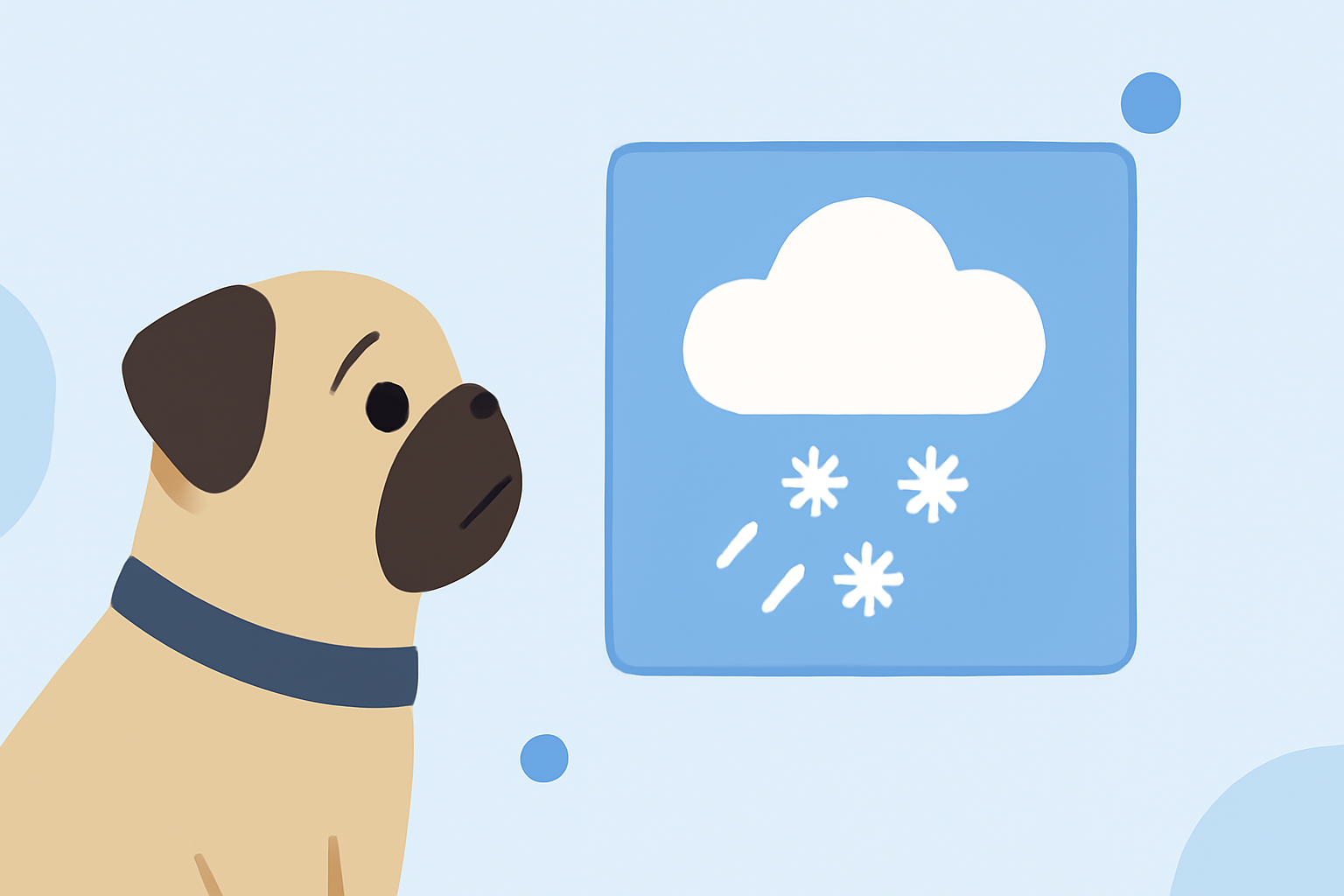
As winter approaches, snow forecasts become crucial for pet owners aiming to keep their furry friends safe and comfortable. Understanding and utilizing these forecasts can help you make informed decisions about your pet's care during snowy conditions.
Why Are Snow Forecasts Important for Pet Owners?
Snow forecasts provide valuable information about upcoming weather conditions, allowing you to plan your pet's activities and ensure their safety. By staying informed, you can:
-
Limit Outdoor Exposure: Snow and cold temperatures can pose risks like frostbite and hypothermia. Monitoring forecasts helps you decide when it's safe for your pet to be outside.
-
Prepare Your Home: Anticipating snowstorms enables you to create a warm, dry environment for your pet, reducing the risk of cold-related illnesses.
-
Protect Paws and Skin: Snow and ice can irritate your pet's paws and skin. Forecasts help you prepare by applying protective balms or using booties during walks.
How to Use Snow Forecasts to Protect Your Pet
-
Monitor Local Weather Updates: Regularly check local weather services or reliable online sources for snow forecasts in your area. This will help you anticipate severe weather and plan accordingly.
-
Limit Outdoor Activities During Snowstorms: When heavy snow is predicted, keep your pet indoors as much as possible. If your pet must go outside, keep walks short and stay close to home.
-
Prepare Your Home: Ensure your pet has a warm, dry place to rest. Use insulated bedding and keep their area free from drafts.
-
Protect Paws: Before walks, apply pet-safe paw balm to protect against ice and salt. After walks, wipe your pet's paws to remove any harmful substances.
-
Stay Informed About Local Conditions: Be aware of local advisories and warnings related to snow and ice. This information can help you make timely decisions about your pet's care.
Additional Tips for Winter Pet Care
-
Provide Extra Nutrition: Cold weather can increase your pet's energy needs. Consult your veterinarian about adjusting their diet during winter months.
-
Keep Cats Indoors: Outdoor cats are particularly vulnerable during winter storms. It's safest to keep them indoors during severe weather.
-
Check for Frostbite: After outdoor exposure, examine your pet for signs of frostbite, such as pale or cold skin, especially on ears, paws, and tails.
Conclusion
Utilizing snow forecasts is a proactive way to safeguard your pet during winter months. By staying informed and taking appropriate precautions, you can ensure your pet remains healthy and happy throughout the snowy season.
(aspca.org)