
Snow Maps Guide for Outdoor Events in the United States
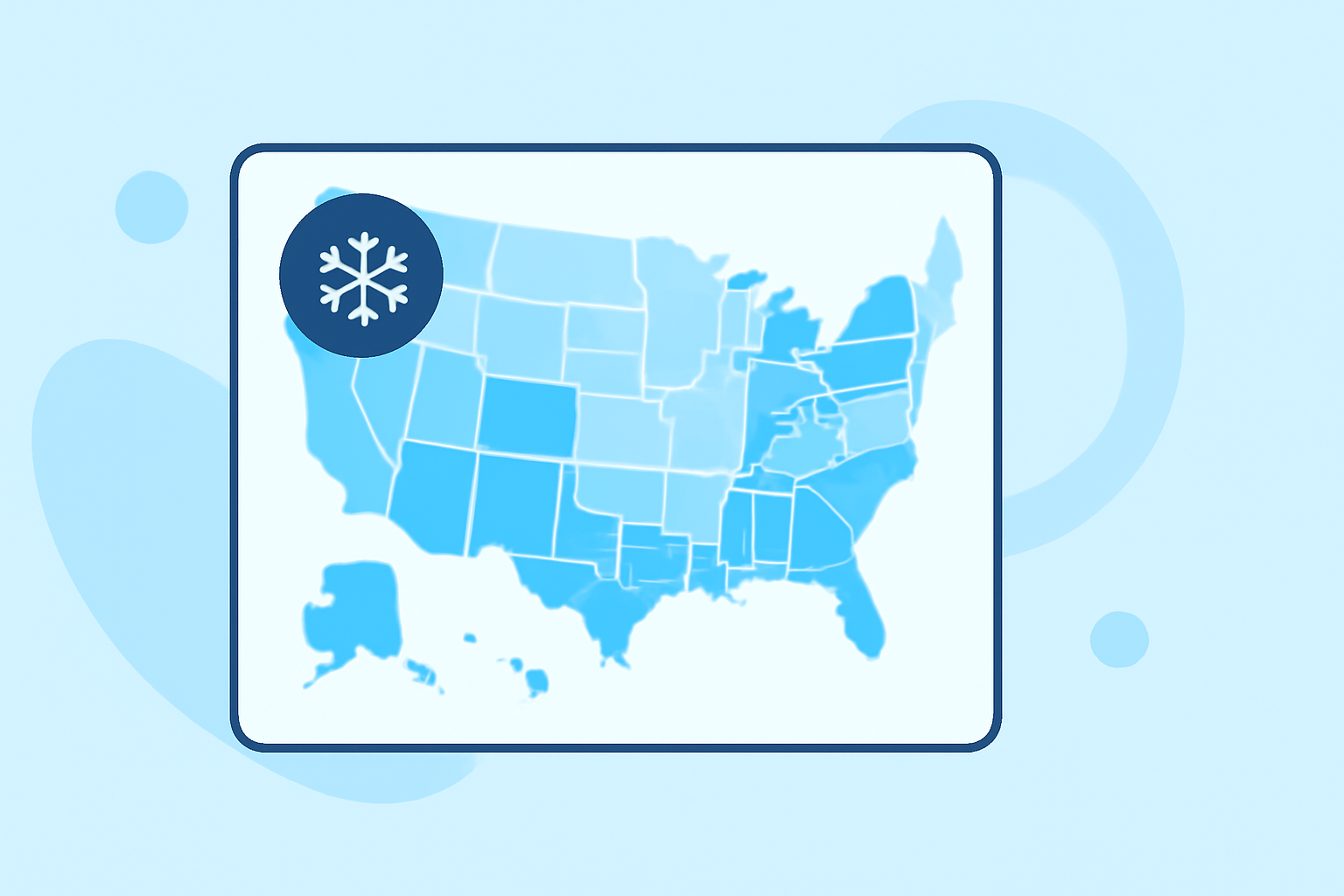
Planning outdoor events in areas prone to snowfall requires careful consideration of current and forecasted snow conditions. Utilizing accurate snow maps is essential for ensuring safety and success.
Understanding Snow Maps
Snow maps provide visual representations of snow coverage, depth, and forecasts, aiding in assessing conditions for outdoor activities. They display data such as snow water equivalent, snow depth, and snow density, which are crucial for evaluating snowpack stability and potential avalanche risks.
Key Sources for Snow Maps
-
NOAA Climate.gov: Offers daily maps, charts, and animations showing the extent of snow and ice over the contiguous United States, Alaska, and the Northern Hemisphere. (climate.gov)
-
Drought.gov: Provides snow cover maps produced by the U.S. National Ice Center, depicting daily snow and ice coverage in the Northern Hemisphere. (drought.gov)
-
SnoTel Mapper: An application that tracks snow conditions, avalanche forecasts, and weather data from over 900 mountain stations across the United States. (psithurismlabs.com)
Utilizing Snow Maps for Event Planning
-
Assess Current Conditions: Review snow depth and coverage maps to understand existing snow conditions in your event area.
-
Monitor Forecasts: Use forecasted snowfall maps to anticipate future snow accumulation and plan accordingly.
-
Evaluate Avalanche Risks: In mountainous regions, consult avalanche forecast maps to assess potential hazards.
-
Plan Logistics: Consider snow-covered terrain when planning access routes, parking, and facilities.
Best Practices
-
Stay Updated: Regularly check snow maps and weather forecasts as conditions can change rapidly.
-
Consult Local Authorities: Engage with local agencies for the most accurate and region-specific information.
-
Prioritize Safety: Ensure all event plans account for potential snow-related challenges to maintain participant safety.
By effectively utilizing snow maps, event organizers can make informed decisions, ensuring that outdoor events are both enjoyable and safe for all participants.