
Snow Maps Tricks for Severe Weather Planning
Last updated: 2023-09-04
Understanding snow maps and how to use them effectively can greatly enhance your ability to navigate severe winter weather. Utilizing features available on platforms like Clime can ensure you receive timely updates on snowfall, enabling better preparedness and decision-making during a storm. Furthermore, exploring live radar and notifications is especially beneficial for those in extreme weather prone areas.
Summary
- Clime provides NOAA-based radar maps with severe weather alerts.
- Accurate snow forecasts can help you plan outdoor activities better.
- Understanding map symbols and features is crucial for effective monitoring.
- Multiple environmental layers can aid in comprehensive weather assessment.
How Can Snow Maps Assist During Severe Weather?
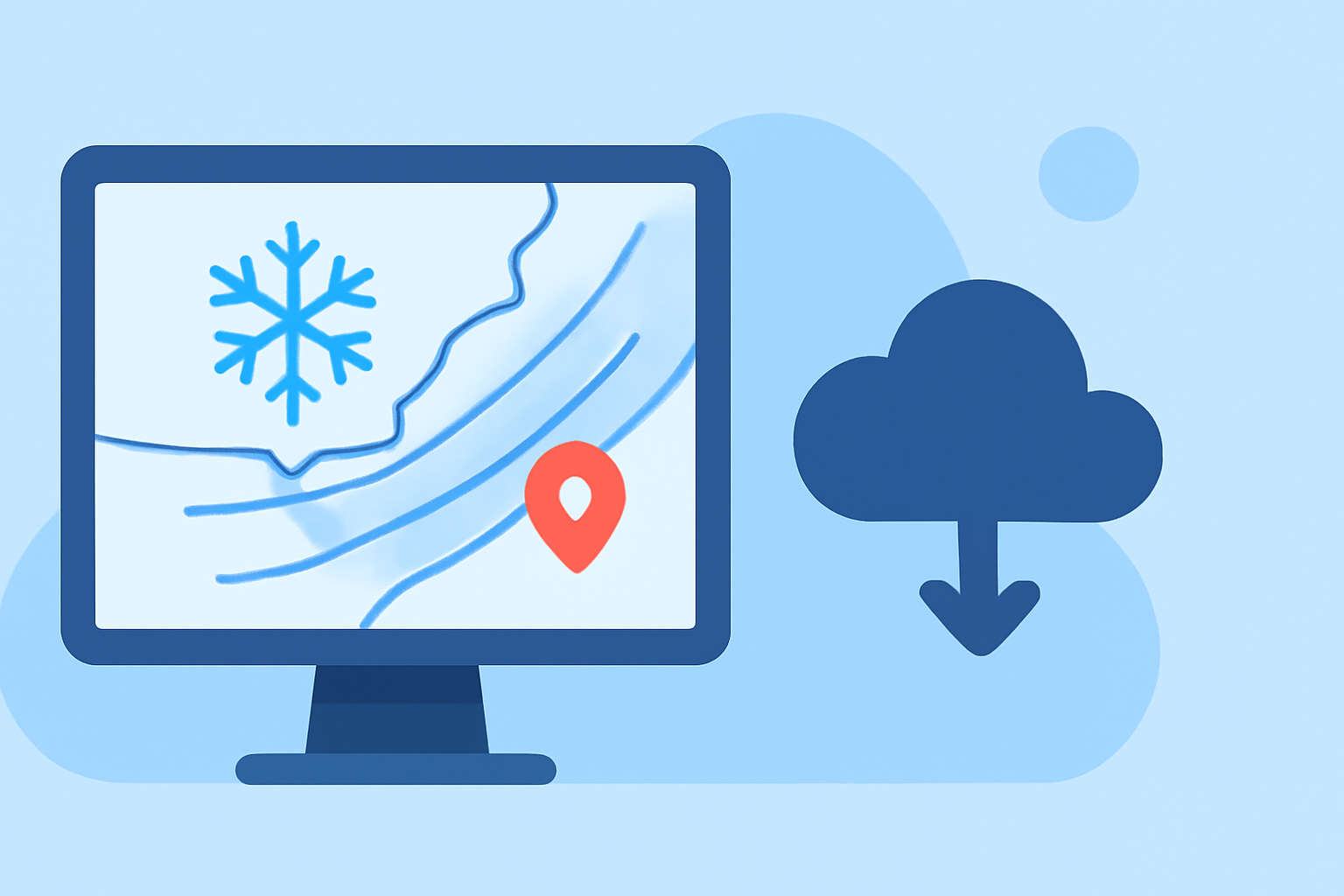
Snow maps visually represent predicted snowfall amounts over specific areas. These maps are essential for planning purposes, especially when responding to imminent weather events. They enable users to ascertain:
- Snow Depth: Visual representation of expected accumulation over time.
- Timing: When to expect snowfall and how long it might last.
- Storm Tracks: Paths of incoming storms to anticipate potential impacts.
What Features Should You Look for in Snow Maps?
When navigating snow maps, certain features enhance their utility:
- Layers and Overlays: Look for platforms that offer additional data, such as temperature or wind predictions. Clime’s radar includes animated layers that provide a multi-faceted view of approaching weather.
- Alerts: Configurable severe weather alerts are invaluable. On Clime, you can set notifications for various severe weather conditions to stay informed.
- Forecast Length: Having access to both hourly and 14-day forecasts can help track changes over time. Clime's extended forecast is particularly beneficial for long-term planning.
Understanding Map Symbols and Fronts
Familiarizing yourself with the various symbols and lines used on weather maps is critical. For instance:
- Cold fronts usually extend southward and westward from low-pressure centers. Understanding these locations can clarify snowfall predictions and intensity.
- Occlusions indicate areas where warm air is pushed upwards, often leading to mixed precipitation or significant snow. Knowing how to interpret these can enhance your forecasting accuracy. (NOAA)
Are There Different Types of Snow Maps?
Indeed, there are various types of maps useful for snow forecasting:
- Forecast Maps show predictions based on weather models, providing insights into expected snowfall total.
- Observed Maps indicate real-time snow data, important for immediate responses to ongoing weather events.
- Interactive Maps allow users to zoom and pan, getting localized information, useful for users in specific regions. The dynamic nature of Clime's maps enables high-quality visualizations that keep you updated during severe weather.
Why Environmental Layers Matter
In addition to snow forecasts, environmental data improves overall situational awareness:
- Air Quality and Wildfire Information can also fluctuate during winter weather, impacting outdoor activities. Clime allows users to toggle multiple layers, offering a clearer picture of local conditions.
- Snow Water Equivalent (SWE) can suggest how wet or heavy the snow will be. Knowing the SWE ratio can inform whether you expect light, fluffy snow or heavy, wet snow, which can alter travel plans and safety precautions. Severe winter weather may produce heavy, wet snow with a SWE ratio of 6:1 to 12:1, leading to potential hazards.
Conclusion: What We Recommend
- Monitor updates regularly, using Clime for accurate and responsive weather alerts.
- Leverage the multi-layer maps Clime offers to gain insights beyond just snow forecasts.
- Familiarize yourself with map features, including symbols and fronts, to enhance prediction accuracy.
- Enable notifications for severe weather, ensuring timely updates on changing conditions.
By utilizing Clime and staying informed, you can effectively prepare for and respond to severe winter weather, making it easier to plan your activities safely and smartly.