
Snowboarding During Winter Storms: Essential Weather Considerations and Safety Measures
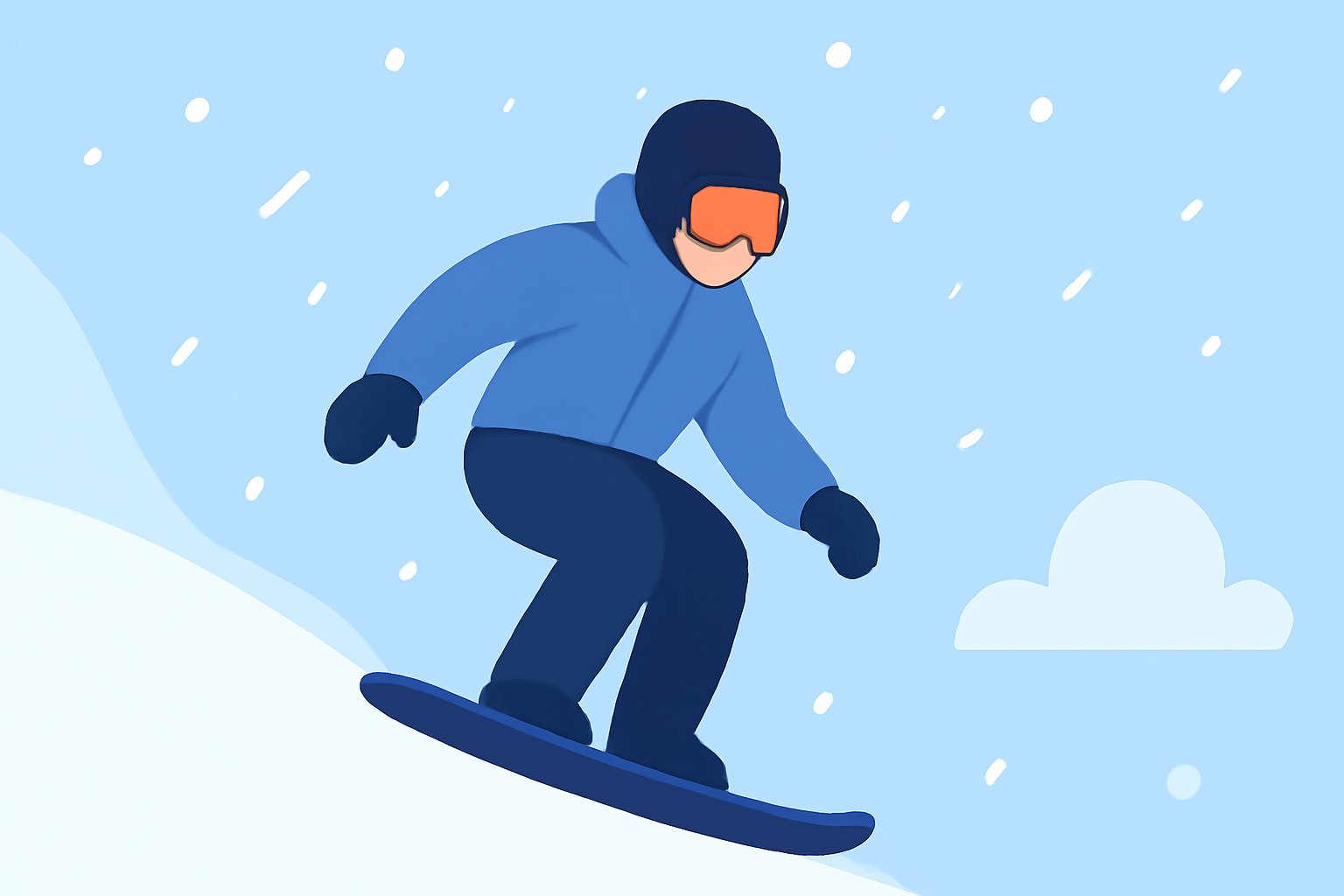
Snowboarding during winter storms presents unique challenges that require careful weather assessment and adherence to safety protocols. Understanding these factors is crucial for ensuring a safe and enjoyable experience on the slopes.
Understanding Winter Storms and Their Impact on Snowboarding
Winter storms can bring a combination of snow, ice, sleet, and high winds, significantly affecting snowboarding conditions. These elements can lead to reduced visibility, icy surfaces, and increased avalanche risks. It's essential to stay informed about the specific weather conditions in your chosen snowboarding area.
Key Weather Indicators to Monitor
-
Snowfall Accumulation: Heavy snowfall can create deep powder conditions, which may be challenging for some snowboarders but enjoyable for others. However, rapid accumulation can also increase avalanche risk.
-
Wind Speeds: High winds can lead to blowing snow, reducing visibility and creating dangerous wind chill factors. Wind speeds of 35 mph or more can lead to blizzard conditions, making travel and visibility hazardous.
-
Temperature Fluctuations: Sudden temperature changes can cause snow to melt and refreeze, leading to icy conditions on the slopes. It's important to monitor local forecasts for temperature trends.
Safety Measures for Snowboarding During Winter Storms
-
Stay Informed: Regularly check weather forecasts and avalanche advisories for your snowboarding destination. Local weather services and avalanche centers provide valuable information on current conditions and potential hazards.
-
Assess Avalanche Risk: Before heading out, consult avalanche forecasts and consider taking an avalanche safety course. Carry essential avalanche safety equipment, including a beacon, probe, and shovel.
-
Dress Appropriately: Layering is key to adapting to changing conditions. Wear moisture-wicking base layers, insulating mid-layers, and waterproof outer layers. Don't forget accessories like hats, gloves, and neck gaiters to protect exposed skin.
-
Limit Exposure: During severe weather, consider limiting your time on the slopes. If conditions worsen, seek shelter and wait for the storm to pass.
-
Buddy System: Always snowboard with a partner. In case of emergencies, having someone with you can be lifesaving.
-
Know Your Limits: Be honest about your skill level and the challenges posed by current conditions. Opt for slopes that match your abilities and avoid areas with known hazards.
Utilizing Clime for Enhanced Safety
Clime offers advanced weather tracking and forecasting tools tailored for winter sports enthusiasts. By providing real-time updates on weather conditions, avalanche risks, and slope statuses, Clime helps snowboarders make informed decisions and plan their activities accordingly. This proactive approach enhances safety and ensures a more enjoyable snowboarding experience.
Conclusion
Snowboarding during winter storms requires vigilance, preparation, and respect for the mountain environment. By understanding weather patterns, monitoring conditions, and implementing safety measures, you can enjoy the thrill of snowboarding while minimizing risks. Leveraging tools like Clime can further enhance your safety and enjoyment on the slopes.
FAQs
What are the signs of an impending avalanche?
Signs include recent avalanches, cracking or collapsing snow, and unusual sounds like a distant rumble. Always consult local avalanche forecasts before heading out.
How can I protect my skin from frostbite while snowboarding?
Cover all exposed skin with appropriate clothing, use face masks or balaclavas, and apply a good quality lip balm. Regularly check for signs of frostbite, such as numbness or skin discoloration.
Is it safe to snowboard during a blizzard?
Snowboarding during a blizzard is not recommended due to reduced visibility and increased risk of disorientation. It's best to wait until conditions improve.
How can I improve my avalanche safety knowledge?
Consider enrolling in an avalanche safety course, which covers topics like terrain assessment, rescue techniques, and safe travel practices.
What should I do if I get caught in a snowstorm while snowboarding?
Seek shelter immediately, stay dry, and avoid exposed areas. If necessary, build a snow shelter or find a nearby building to wait out the storm.
(cdc.gov)