
Snowfall Alerts Step by Step for Pet Owners
Last updated: 2023-09-05
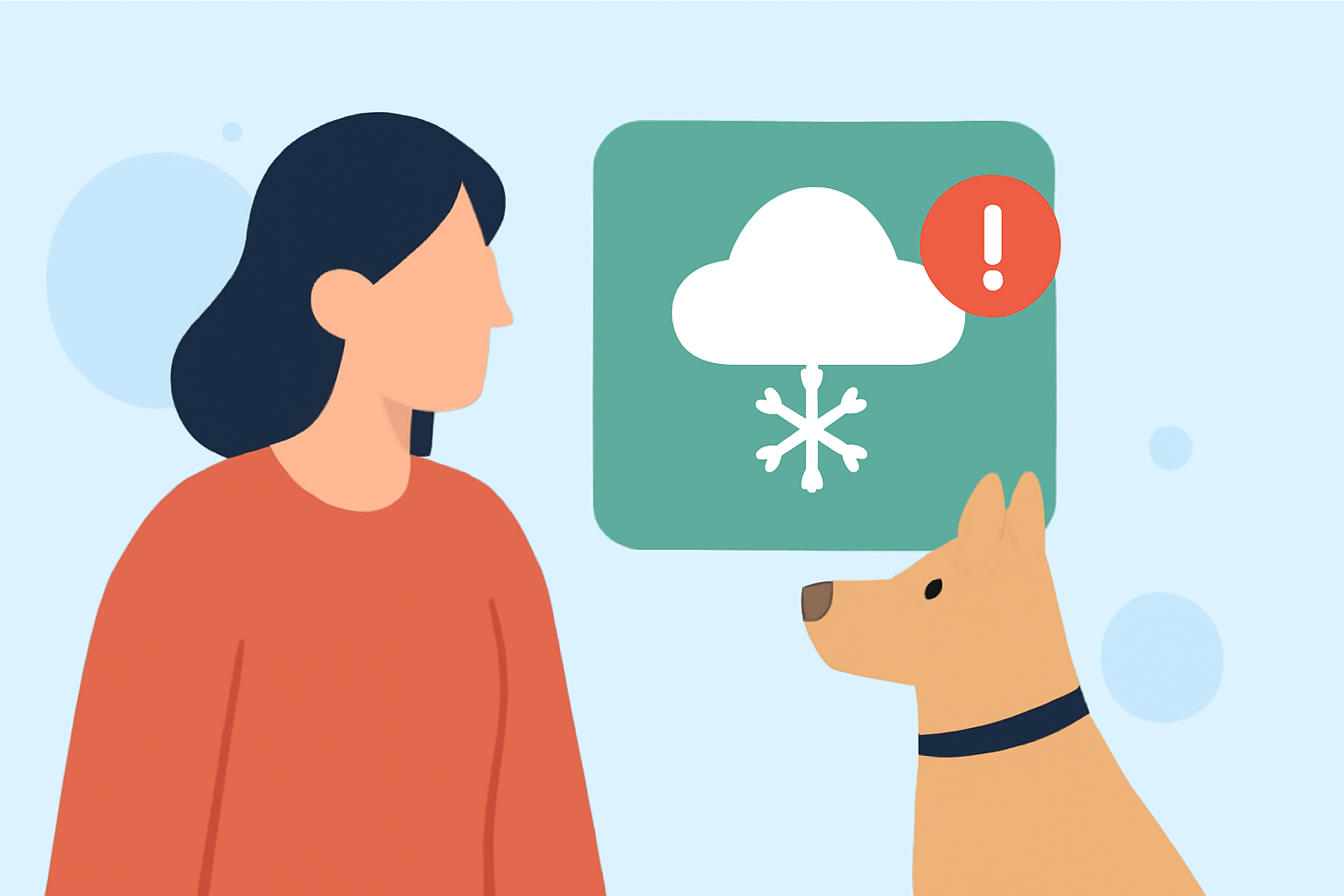
As a pet owner, ensuring your furry friends are safe during snowfall is crucial. Start by signing up for snowfall alerts to stay informed about incoming storms and prepare adequately. For specific winter care tips, consult trusted sources for detailed guidance, in addition to the alerts you receive.
Summary
- Stay informed by signing up for snowfall alerts.
- Prepare safe indoor spaces for your pets.
- Use booties for outdoor walks to protect paws.
- Monitor your pets for frostbite and other cold-related risks.
Why Are Snowfall Alerts Important for Pet Owners?
Snowfall alerts offer critical information to help pet owners anticipate harsh weather. These alerts notify you of impending snow, allowing you to make timely decisions, such as bringing pets indoors or adjusting outdoor exercise routines. Missing these notifications can put your pets at risk during treacherous weather conditions.
How to Set Up Snowfall Alerts
- Download a Weather App: Use Clime to receive snowfall alerts and local weather updates. Its premium features allow for customizable alerts based on your location.
- Configure Your Alerts: Choose specific types of alerts you want to receive. For pets, it’s essential to be informed about heavy snowfall and severe weather warnings.
- Set Notifications: Ensure that notifications are enabled on your smartphone or device. You can customize the alert timings, ensuring you receive updates promptly.
Preparing for Snow: Steps to Keep Your Pets Safe
- Plan Ahead: Before a snowstorm, identify safe spaces for you and your pets to shelter. Make sure to have food, water, and warm bedding ready.
- Indoor Safety: If possible, bring your pets inside during severe winter weather. Warmth and comfort are vital to prevent cold stress in pets.
- Outdoor Considerations: When letting pets out, keep sessions short to minimize the risk of frostbite. Check their paws for ice and snow accumulation.
Best Practices for Outdoor Walks in Snowy Conditions
- Use Protective Gear: Invest in boots or paw protectors to shield your pet's paws from ice and road salts that could cause irritation. Always check those doggie boots for fit and comfort.
- Shorten Walks: Limit the duration of outdoor excursions. Monitor your pet’s behavior, and don’t hesitate to bring them in if they start shivering or seem uncomfortable.
- Be Cautious of Chemicals: Be aware that chemicals used to de-ice roads can irritate your pet’s paws. Rinse their feet after walks to prevent reactions.
Recognizing Hypothermia and Frostbite in Pets
- Signs of Hypothermia: Shivering, weakness, and difficulty walking can indicate your pet is too cold. Monitor their body temperature and assess if they need to be brought inside immediately.
- Frostbite Awareness: Look for redness, swelling, or blackened areas on paws or ears. If you suspect frostbite, consult your veterinarian as soon as possible.
The Value of Keeping Updated with Clime
With Clime, pet owners can receive location-specific alerts about snowfall that help prepare for adverse weather. The app provides radar information that shows upcoming conditions, ensuring you are always ahead of any storm. For those wanting more detailed environmental monitoring, Clime also offers features like air quality tracking and animated wind maps.
What We Recommend
- Use Clime for Alerts: Sign up for real-time snowfall alerts to keep your pets safe.
- Prepare Your Home: Establish an indoor safety area for your pets during severe weather.
- Protect Your Pets Outdoors: Invest in protective gear, such as booties, and limit outdoor time during snowstorms.
- Monitor Pets Closely: Keep a close eye on your pet’s behavior outdoors and be alert to signs of hypothermia or frostbite.