
Snowstorm Preparation for Beginners in the Car
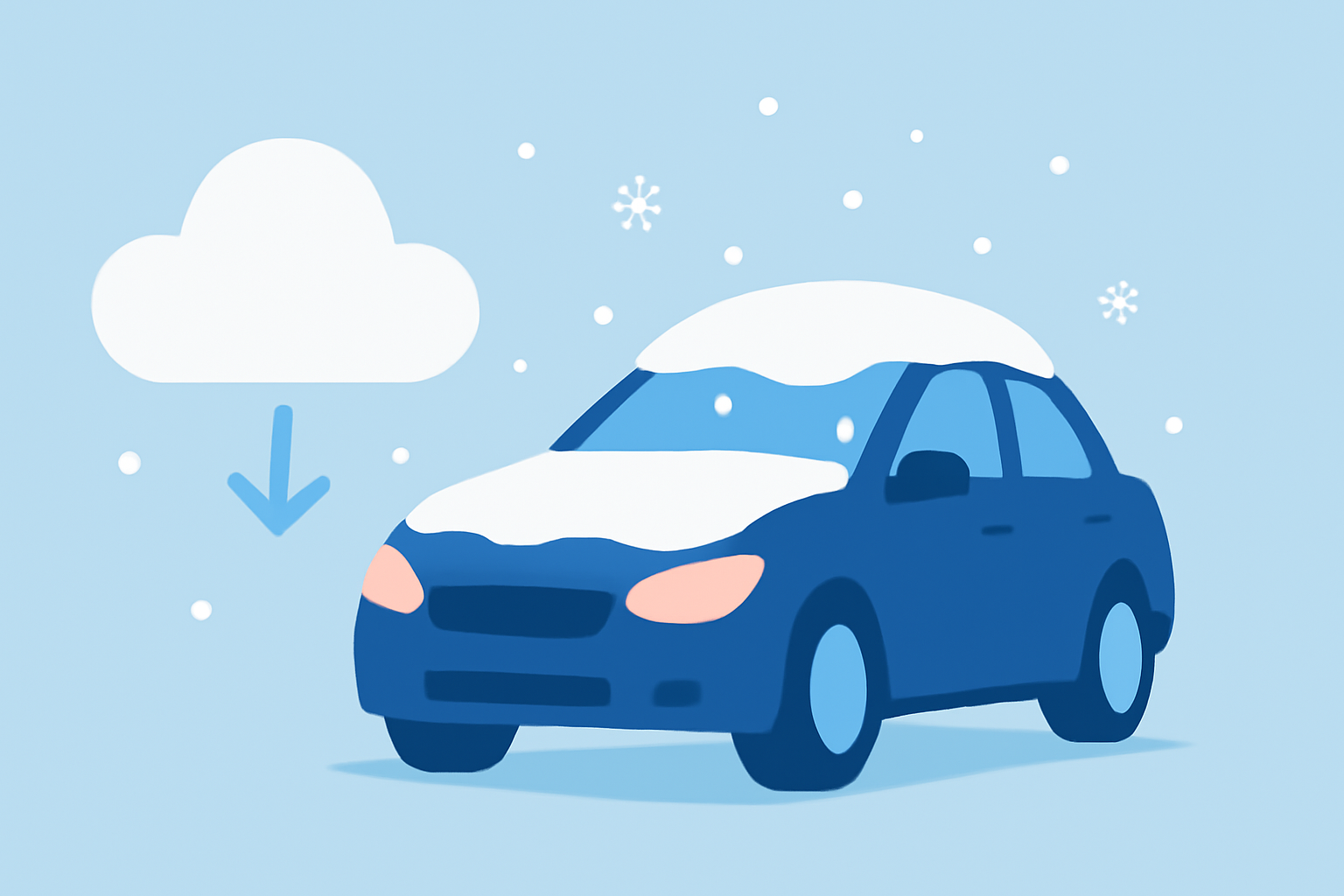
Driving in snowstorms can be challenging, especially for beginners. Proper preparation is crucial to ensure safety on the road. Here's a comprehensive guide to help you navigate winter driving conditions effectively.
How Can I Prepare My Vehicle for Snowstorm Conditions?
1. Inspect and Maintain Your Tires
Ensure your tires have adequate tread depth and are properly inflated. Tires with less than 4/32" of tread can reduce traction on wet and snowy roads. Regularly check tire pressure, as it can drop with temperature changes. Consider using winter tires for enhanced grip in snowy conditions. (colorado.aaa.com)
2. Check Battery and Electrical Systems
Cold temperatures can diminish battery performance. Have your battery, charging system, and belts inspected to prevent unexpected failures. (nhtsa.gov)
3. Ensure Proper Functioning of Lights and Wipers
Verify that all headlights, taillights, and turn signals are operational. Replace windshield wiper blades and fill the washer reservoir with winter-grade fluid to maintain visibility. (nhtsa.gov)
4. Maintain Adequate Fluid Levels
Regularly check and top off essential fluids, including antifreeze, transmission fluid, brake fluid, and engine oil, to ensure optimal vehicle performance. (colorado.aaa.com)
What Should I Include in My Vehicle's Emergency Kit?
Equipping your car with an emergency kit can be lifesaving during unexpected situations. Essential items to include are:
-
Snow Shovel and Ice Scraper: To clear snow and ice from your vehicle.
-
Abrasive Material: Sand or kitty litter can provide traction if your vehicle gets stuck.
-
Jumper Cables: For jump-starting your battery if it dies.
-
Flashlight with Extra Batteries: For visibility during low-light conditions.
-
First Aid Kit: To address minor injuries.
-
Blankets and Warm Clothing: To stay warm if stranded.
-
Non-Perishable Food and Water: To sustain you during extended periods.
-
Cell Phone Charger: To maintain communication.
Additionally, consider carrying a battery-powered radio, road flares, and a whistle to signal for help. (travelers.com)
How Should I Drive in Snowstorm Conditions?
1. Reduce Speed and Increase Following Distance
Drive at slower speeds to maintain control on slippery roads. Increase the distance between your vehicle and the one ahead to allow ample time for stopping. (colorado.aaa.com)
2. Avoid Sudden Movements
Make gradual turns, accelerations, and decelerations to prevent skidding. Sudden actions can lead to loss of control on icy surfaces. (caranddriver.com)
3. Stay Alert for Black Ice
Be cautious of black ice, which is often invisible and forms on bridges, overpasses, and shaded areas. Approach these areas slowly and avoid sudden maneuvers. (colorado.aaa.com)
4. Use Your Vehicle's Safety Features Appropriately
If your vehicle is equipped with an anti-lock braking system (ABS), apply firm, continuous pressure to the brake pedal. For vehicles without ABS, pump the brakes gently to prevent wheel lockup. (colorado.aaa.com)
What Should I Do if I Get Stranded During a Snowstorm?
1. Stay Inside Your Vehicle
Remain in your car to stay warm and conserve energy. Running the engine intermittently can provide heat, but ensure the exhaust pipe is clear of snow to prevent carbon monoxide buildup. (cbsnews.com)
2. Make Your Vehicle Visible
Attach a brightly colored item to your vehicle to signal for help. Use hazard lights to alert other drivers of your presence. (cluballiance.aaa.com)
3. Conserve Battery Power
Limit the use of electronic devices to preserve battery life. Use your cell phone sparingly and only for emergency communication. (cbsnews.com)
4. Stay Informed
Keep a battery-powered radio or your phone (if charged) to receive weather updates and emergency information. (travelers.com)
How Can I Minimize the Risk of Getting Stuck in a Snowstorm?
1. Plan Your Route and Timing
Before traveling, check weather forecasts and road conditions. If possible, postpone trips during severe weather. (nhtsa.gov)
2. Keep Your Gas Tank Full
Maintain a full gas tank to prevent fuel line freeze-up and to ensure you have enough fuel if you get stuck. (travelers.com)
3. Avoid Cruise Control
Do not use cruise control on slippery roads, as it can reduce your ability to react quickly to changing conditions. (caranddriver.com)
By following these guidelines, you can enhance your safety and preparedness when driving in snowstorm conditions. Always prioritize caution and stay informed about weather conditions to make informed decisions.
Highlights:
- Winter Weather Driving Tips: Prepare Your Vehicle | NHTSA
- Driving Tips for Snowstorms | AAA Coloradoturn0search3