
Essential Checklist for Snowy Workouts: Stay Safe and Prepared
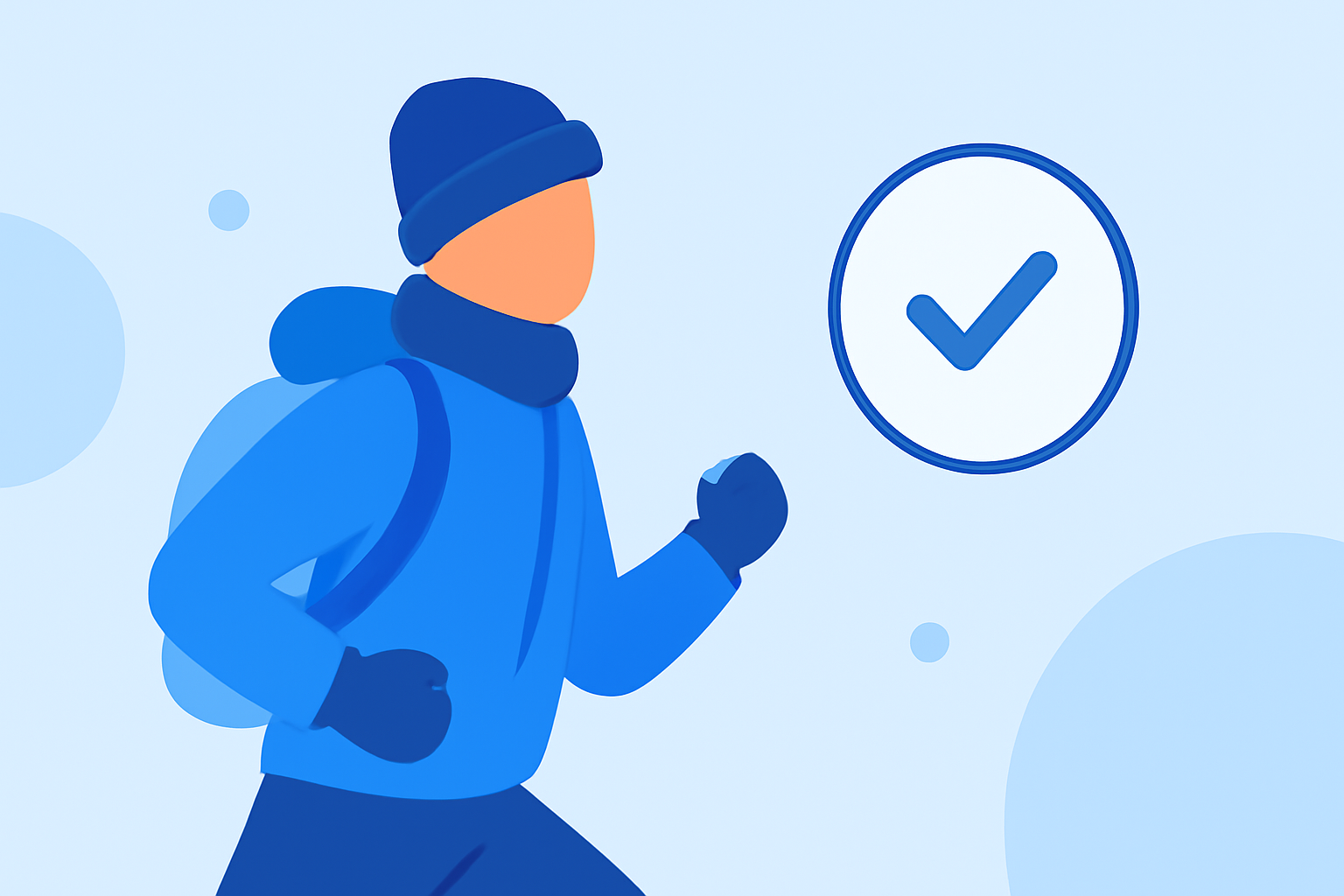
Engaging in workouts during snowy conditions presents unique challenges, but with proper preparation, you can ensure safety and effectiveness. This guide provides a comprehensive checklist to help you gear up for snowy workouts, along with insights into how Clime's features can enhance your experience.
Why Is Preparation Crucial for Snowy Workouts?
Snowy environments can be unpredictable, with varying temperatures, snow depths, and potential hazards like ice patches. Proper preparation minimizes risks such as hypothermia, frostbite, and injuries from slips or falls. Additionally, understanding weather patterns and conditions is vital for planning safe and effective workouts.
What Gear Do You Need for Snowy Workouts?
1. Footwear:
-
Waterproof, Insulated Boots: Essential for keeping feet dry and warm.
-
Gaiters: Prevent snow from entering boots, keeping feet dry.
2. Clothing:
-
Base Layer: Moisture-wicking materials like wool or synthetic fabrics.
-
Mid-Layer: Insulating layer such as fleece or a soft-shell jacket.
-
Outer Layer: Waterproof and windproof jacket and pants.
-
Accessories: Warm hat, gloves, and neck gaiter or balaclava.
3. Equipment:
-
Snowshoes or Traction Devices: Depending on the depth and type of snow.
-
Trekking Poles: With snow baskets to provide stability.
-
Hydration System: Insulated water bottles or hydration packs to prevent freezing.
-
Navigation Tools: Map, compass, or GPS device.
-
Emergency Kit: First-aid supplies, whistle, multi-tool, and fire-starting materials.
4. Extras:
-
Hand and Foot Warmers: For added warmth during extended periods.
-
Headlamp: With extra batteries for low-light conditions.
How Can Clime Enhance Your Snowy Workouts?
Clime offers features that can significantly improve your experience during snowy workouts:
-
Real-Time Weather Updates: Stay informed about current conditions and forecasts to plan your workouts effectively.
-
Snow Depth Maps: Access detailed maps showing snow accumulation, helping you choose the best routes.
-
Trail Conditions: Get insights into trail status, including closures or hazards, ensuring safety.
-
Route Planning: Utilize Clime's tools to plan routes with optimal snow conditions and minimal obstacles.
What Are the Safety Considerations for Snowy Workouts?
1. Monitor Weather Conditions:
Always check the latest weather updates before heading out. Be aware of temperature fluctuations, wind chill factors, and potential storms.
2. Adjust Your Workout Intensity:
Snow can increase the difficulty of your workout. Be prepared to modify your routine to match the conditions.
3. Stay Visible:
Shorter daylight hours mean reduced visibility. Wear reflective gear and consider carrying a headlamp.
4. Know the Terrain:
Familiarize yourself with the area to avoid hidden obstacles like ice patches or deep snowdrifts.
5. Listen to Your Body:
Cold weather can be taxing. Pay attention to signs of fatigue or discomfort and adjust your plans accordingly.
How Do You Plan Your Snowy Workout Routes?
1. Research Trail Conditions:
Use resources like Clime to check current trail statuses and snow depths.
2. Choose Appropriate Routes:
Select trails suitable for snowy conditions, considering factors like elevation and exposure.
3. Plan for Emergencies:
Inform someone of your route and expected return time. Carry a fully charged phone and a portable charger.
4. Be Flexible:
Be prepared to change your plans based on real-time conditions and weather updates.
What Are the Benefits of Snowy Workouts?
Engaging in workouts during snowy conditions offers several advantages:
-
Enhanced Calorie Burn: Snow adds resistance, increasing energy expenditure.
-
Improved Balance and Coordination: Navigating uneven, snowy terrain challenges and develops these skills.
-
Mental Toughness: Overcoming the challenges of snowy workouts builds resilience and determination.
How Do You Recover After a Snowy Workout?
1. Warm Up Gradually:
After finishing, allow your body to cool down slowly to prevent muscle stiffness.
2. Rehydrate and Refuel:
Drink water and consume a balanced meal to replenish energy stores.
3. Stretch:
Perform gentle stretches to maintain flexibility and reduce muscle soreness.
4. Dry and Change Quickly:
Remove wet clothing promptly to prevent hypothermia and skin irritation.
By following this checklist and utilizing Clime's features, you can ensure a safe, effective, and enjoyable workout experience in snowy conditions.