
Soccer Training During Winter Storms: Essential Safety and Preparation Tips
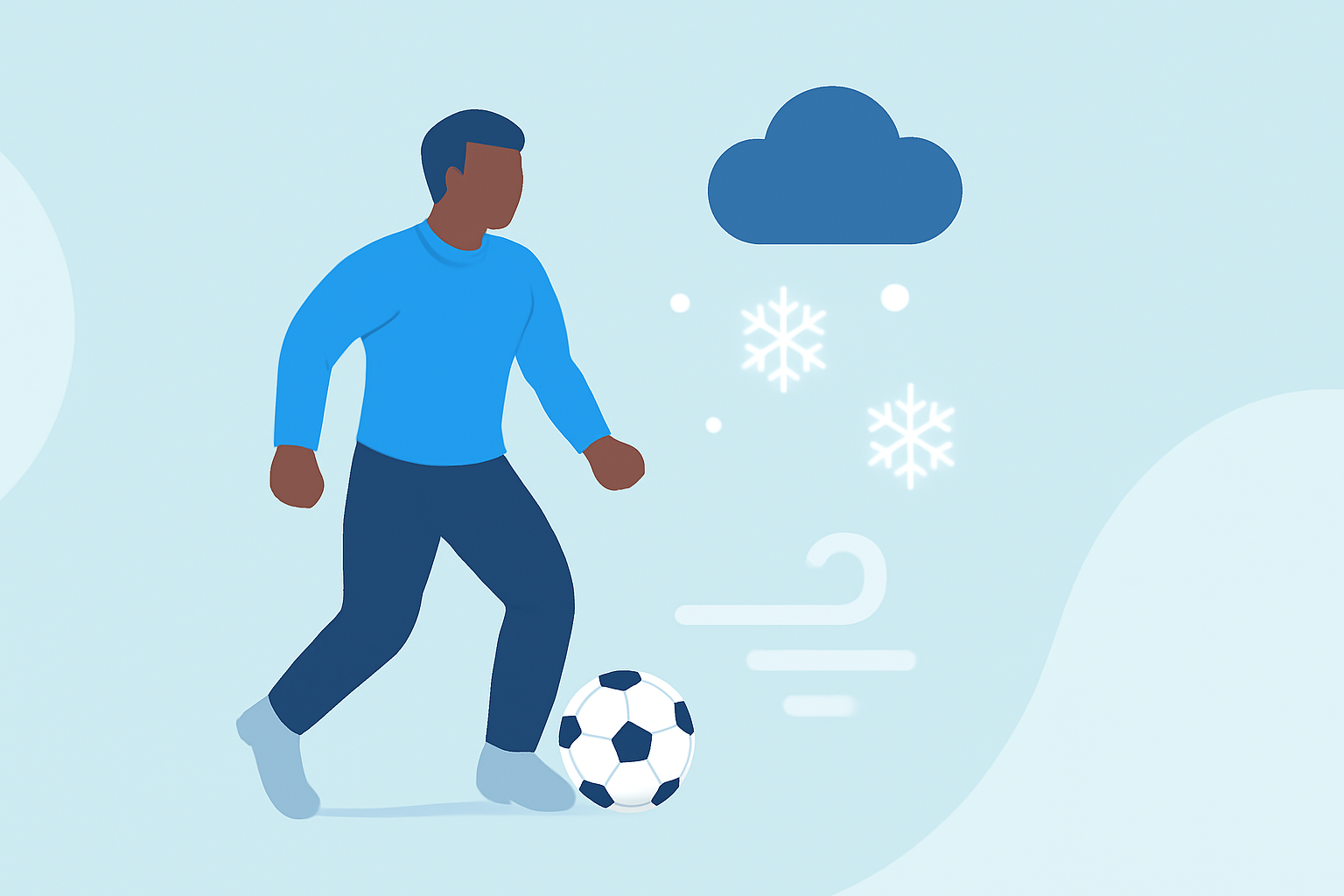
Training for soccer during winter storms presents unique challenges, but with proper preparation and safety measures, players can continue to develop their skills effectively. This guide provides essential tips to ensure safety and maintain performance during adverse winter conditions.
1. Assessing Weather Conditions: Is It Safe to Train?
Before heading out, evaluate the severity of the winter storm. If temperatures are extremely low, wind chills are severe, or visibility is compromised due to heavy snowfall, it's advisable to postpone training sessions. Always prioritize safety and consult local weather advisories for the most accurate information.
2. Dressing Appropriately: How Should Players Dress?
Proper attire is crucial for comfort and safety:
-
Layering: Wear moisture-wicking base layers to keep sweat away from the skin, insulating middle layers like fleece for warmth, and a windproof, waterproof outer layer to protect against the elements. (sncs-prod-external.mayo.edu)
-
Extremities: Protect hands, feet, and ears with thermal gloves, insulated socks, and hats or headbands.
-
Footwear: Opt for shoes with adequate traction to prevent slipping on icy surfaces.
3. Warm-Up and Cool-Down: How to Prepare and Recover?
-
Warm-Up: Begin with light aerobic exercises to gradually increase body temperature, followed by dynamic stretches to prepare muscles for activity. (rapidsyouthsoccer.org)
-
Cool-Down: After training, perform static stretches to aid muscle recovery and prevent stiffness.
4. Hydration: Is It Necessary in Cold Weather?
Yes, staying hydrated is essential, even in cold conditions. Cold air can be dry, leading to dehydration. Encourage players to drink water before, during, and after training sessions. (sncs-prod-external.mayo.edu)
5. Field Conditions: How to Ensure Safe Playing Surfaces?
-
Inspection: Before training, check the field for hazards like ice patches or deep snow.
-
Surface Suitability: If conditions are unsafe, consider alternative indoor facilities or reschedule the session.
6. Injury Prevention: What Precautions Should Be Taken?
-
Gradual Intensity: Avoid sudden high-intensity exercises; instead, maintain consistent, moderate activity levels.
-
Listen to the Body: Encourage players to report any discomfort or signs of injury promptly.
7. Mental Preparation: How to Stay Motivated?
Adverse weather can affect morale. Keep players engaged by setting clear goals, maintaining a positive attitude, and emphasizing the benefits of training in challenging conditions.
8. Utilizing Technology: How Can Weather Forecasts Assist?
Leverage reliable weather forecasting tools to monitor conditions and make informed decisions about training schedules. Accurate forecasts can help in planning sessions and ensuring safety.
Conclusion
Training for soccer during winter storms requires careful planning and adherence to safety protocols. By dressing appropriately, warming up properly, staying hydrated, and being mindful of field conditions, players can continue to develop their skills effectively and safely during the winter months.
For more detailed guidelines on cold-weather training, refer to resources provided by reputable sports organizations and health institutions.