
Spring 2026 Weather Outlook for the United States
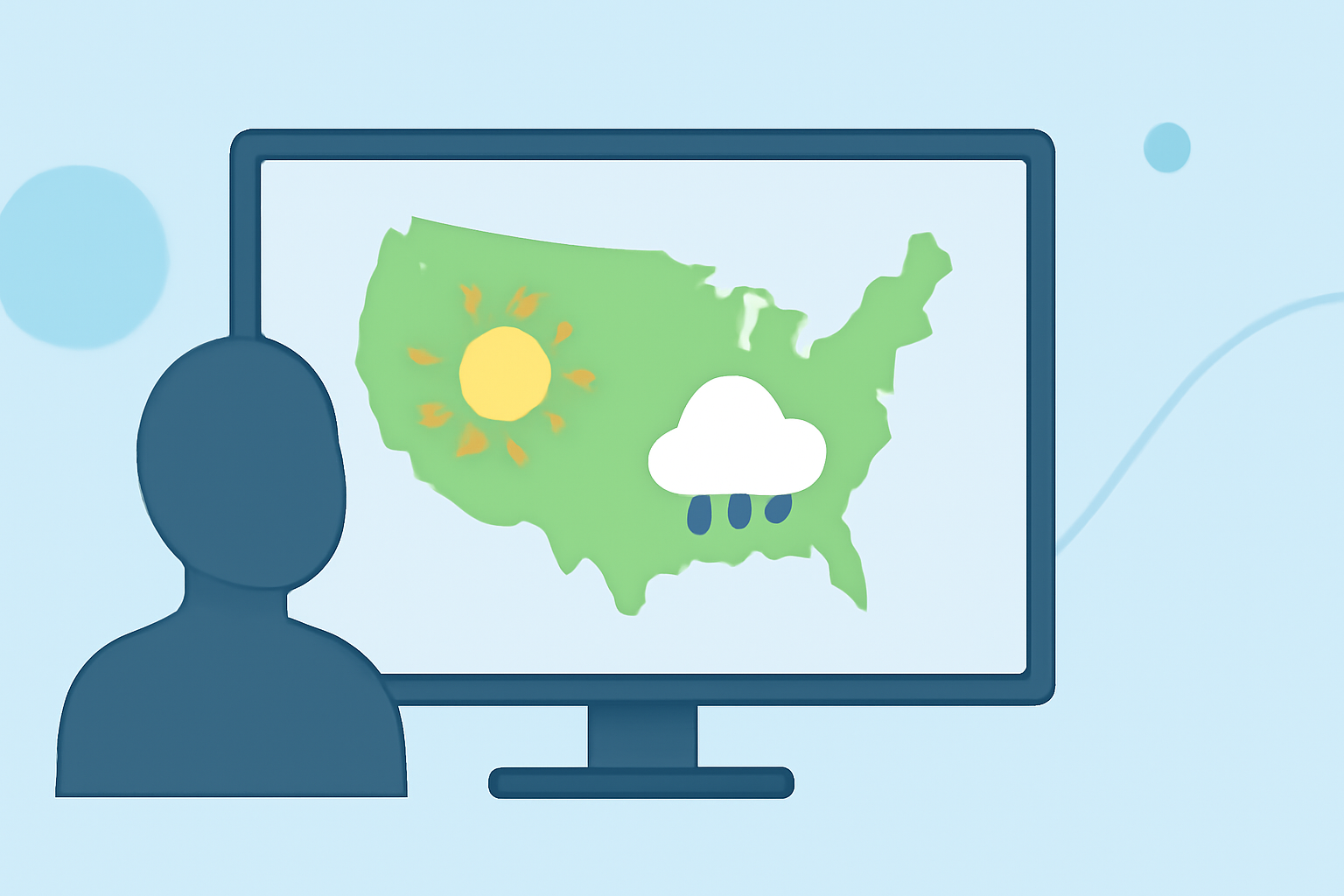
As Spring 2026 approaches, understanding the expected weather patterns can help individuals and communities prepare for the upcoming season. Here's an overview of the anticipated conditions across the United States:
What are the expected temperature trends for Spring 2026?
The National Oceanic and Atmospheric Administration (NOAA) forecasts above-normal temperatures for the majority of the U.S. during Spring 2026. This trend is particularly pronounced in the interior West, including states like Utah, Nevada, and Colorado, where there's a 60-70% likelihood of warmer-than-average temperatures. (unofficialnetworks.com)
How will precipitation patterns vary across the country?
Precipitation forecasts indicate a drier-than-normal spring for much of the nation. However, certain regions are expected to experience wetter conditions:
-
Upper Alaska: Anticipated to receive above-average rainfall.
-
Texas–Oklahoma: Forecasted to be wetter than usual.
-
Northern Appalachians: Expecting increased precipitation.
-
High Plains: Predicted to be wetter than average.
-
Upper Midwest: Anticipated to experience above-normal rainfall.
-
Intermountain Region: Forecasted to be wetter than usual.
(almanac.com)
What is the drought situation for Spring 2026?
NOAA's Spring Outlook indicates that drought conditions are likely to persist or develop in many areas of the West and south-central Plains. Factors such as the El Niño-Southern Oscillation (ENSO), low snowpack in the West, and soil moisture content are influencing this trend. As of mid-March, moderate to exceptional drought conditions exist across 55% of the continental United States. (usharbors.com)
How will the El Niño-Southern Oscillation (ENSO) affect Spring 2026 weather?
The ENSO is transitioning from La Niña to ENSO-neutral conditions, meaning neither El Niño nor La Niña. This shift is expected to influence weather patterns, including temperature and precipitation, across the U.S. (usharbors.com)
What regional variations should be expected?
While much of the country is projected to experience warmer and drier conditions, certain areas may see different patterns:
-
Northern & Central U.S.: Cooler-than-average temperatures are expected, with fluctuating warm and cold spells. (farmersalmanac.com)
-
Northeast, Great Lakes, and Pacific Northwest: The transition to warmer spring weather may be slower, with lingering cold snaps and more snow. (outsideonline.com)
How can individuals prepare for these conditions?
-
Farmers and Gardeners: Be aware of potential late freezes and frost. It's advisable to delay planting frost-sensitive crops and have protective measures like row covers or mulch ready. (farmersalmanac.com)
-
Residents in Drought-Prone Areas: Conserve water and stay informed about local drought conditions. Implementing water-saving practices can help mitigate the effects of prolonged dry periods. (usharbors.com)
-
General Public: Stay updated with local weather forecasts, especially during the transition periods when weather patterns may be more volatile.
By staying informed and taking proactive measures, individuals can better navigate the anticipated weather patterns of Spring 2026.
Highlights:
- Spring Weather 2026 Predictions for U.S. Regions | The Old Farmer's Almanac, Published on Sunday, April 05
- Farmers' Almanac Spring 2026 Forecast - Farmers' Almanac - Plan Your Day. Grow Your Life.
- NOAA Spring 2026 Outlook: Drought Expanding West | US Harbors, Published on Friday, April 10