
Stargazing During Severe Weather: Essential Safety and Viewing Tips
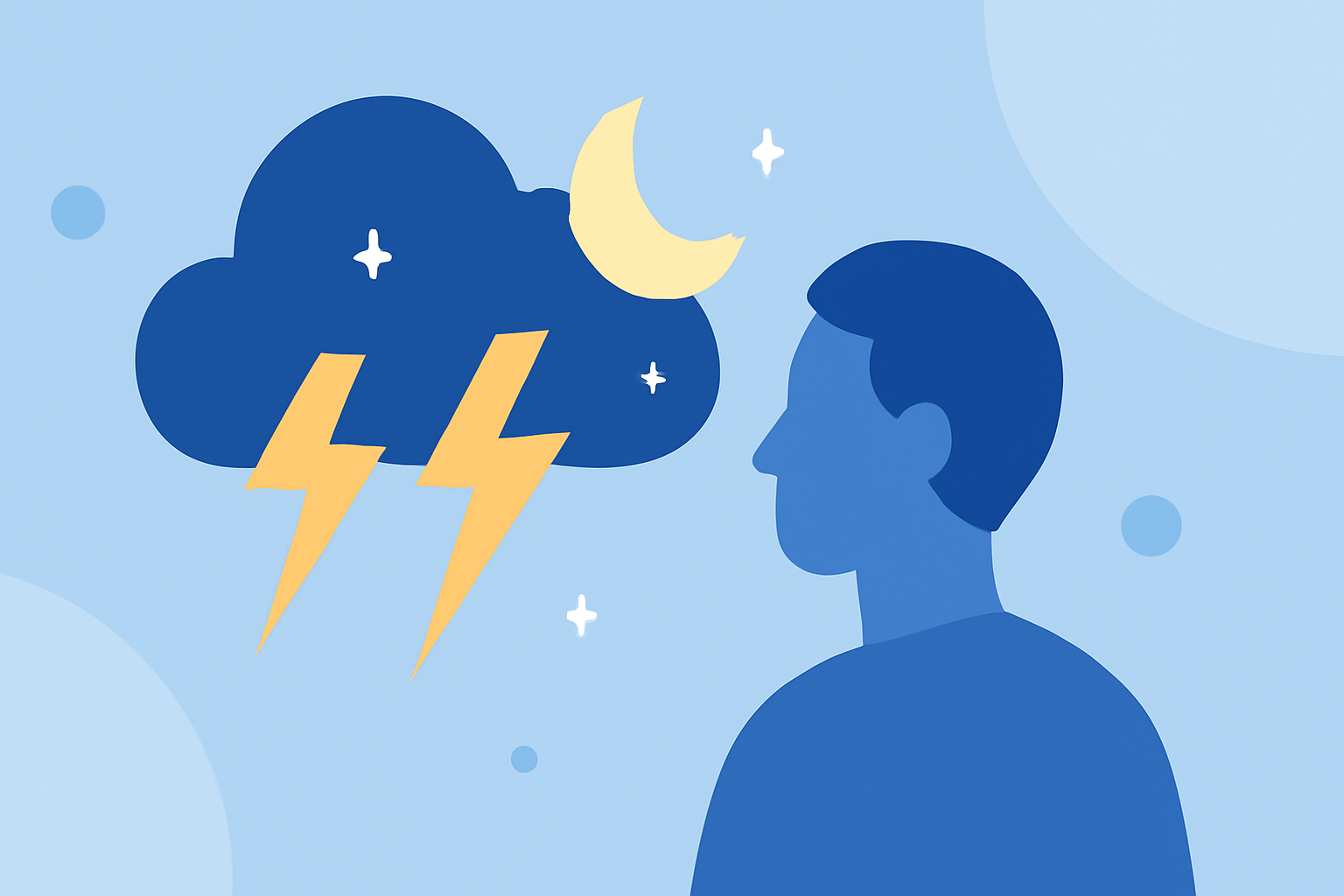
Stargazing offers a captivating glimpse into the cosmos, but severe weather can pose significant challenges. Understanding how to navigate these conditions ensures both safety and an enjoyable experience. This guide provides essential insights and practical tips for stargazing during adverse weather.
What Are the Risks of Stargazing During Severe Weather?
Severe weather conditions, such as thunderstorms, heavy rain, or high winds, can create hazardous environments for stargazers. Lightning poses a significant threat; if you hear thunder, lightning is close enough to strike. (emergencymanagement.universitysafety.uconn.edu) Additionally, strong winds and hail can cause injury or damage to equipment. It's crucial to prioritize safety by monitoring weather conditions and seeking shelter when necessary.
How Can I Safely Stargaze During Adverse Weather?
While severe weather often necessitates postponing stargazing plans, there are instances when conditions may be less severe, allowing for safe observation. In such cases:
-
Monitor Weather Updates: Regularly check local weather advisories via radio, television, or mobile apps to stay informed about changing conditions. (emergencymanagement.universitysafety.uconn.edu)
-
Seek Shelter When Necessary: If you hear thunder or observe lightning, immediately move to a safe indoor location. Wait at least 30 minutes after the last audible thunder before resuming outdoor activities. (emergencymanagement.universitysafety.uconn.edu)
-
Use Appropriate Lighting: When navigating in low-light conditions, use a red flashlight to preserve night vision and minimize disruption to others. (nps.gov)
What Are the Best Conditions for Stargazing?
Optimal stargazing occurs under clear, dark skies with minimal light pollution. Factors to consider include:
-
Clear Skies: Cloudless nights provide the best visibility for celestial objects. (rei.com)
-
Minimal Light Pollution: Areas far from city lights offer darker skies, enhancing the visibility of stars and other celestial bodies. (science.nasa.gov)
-
Favorable Weather: Mild temperatures and low humidity contribute to clearer skies and more comfortable viewing conditions. (ico-optics.org)
How Can I Plan My Stargazing Sessions?
Effective planning involves:
-
Checking Weather Forecasts: Utilize reliable weather apps or websites to assess cloud cover, precipitation, and wind conditions before heading out. (starglowapp.com)
-
Selecting Ideal Locations: Choose stargazing spots that are accessible, safe, and offer unobstructed views of the sky. (science.nasa.gov)
-
Timing Your Observation: Aim for nights with a new moon or when the moon is below the horizon to reduce light interference. (nps.gov)
What Should I Do if Severe Weather Occurs During Stargazing?
If severe weather develops unexpectedly:
-
Seek Immediate Shelter: Move to a safe indoor location or a sturdy vehicle to protect yourself from lightning, hail, or strong winds. (montana.edu)
-
Avoid Water: If near bodies of water, exit immediately, as water conducts electricity and increases the risk of lightning strikes. (montana.edu)
-
Stay Informed: Keep a battery-powered weather radio or mobile device with you to receive real-time updates on weather conditions. (montana.edu)
Conclusion
While severe weather often necessitates postponing stargazing plans, understanding the risks and implementing safety measures can allow for safe observation during less severe conditions. Always prioritize safety by monitoring weather updates, choosing appropriate locations, and being prepared to seek shelter when necessary.