
Your Step-by-Step Guide to Planning the Perfect Stargazing Trip
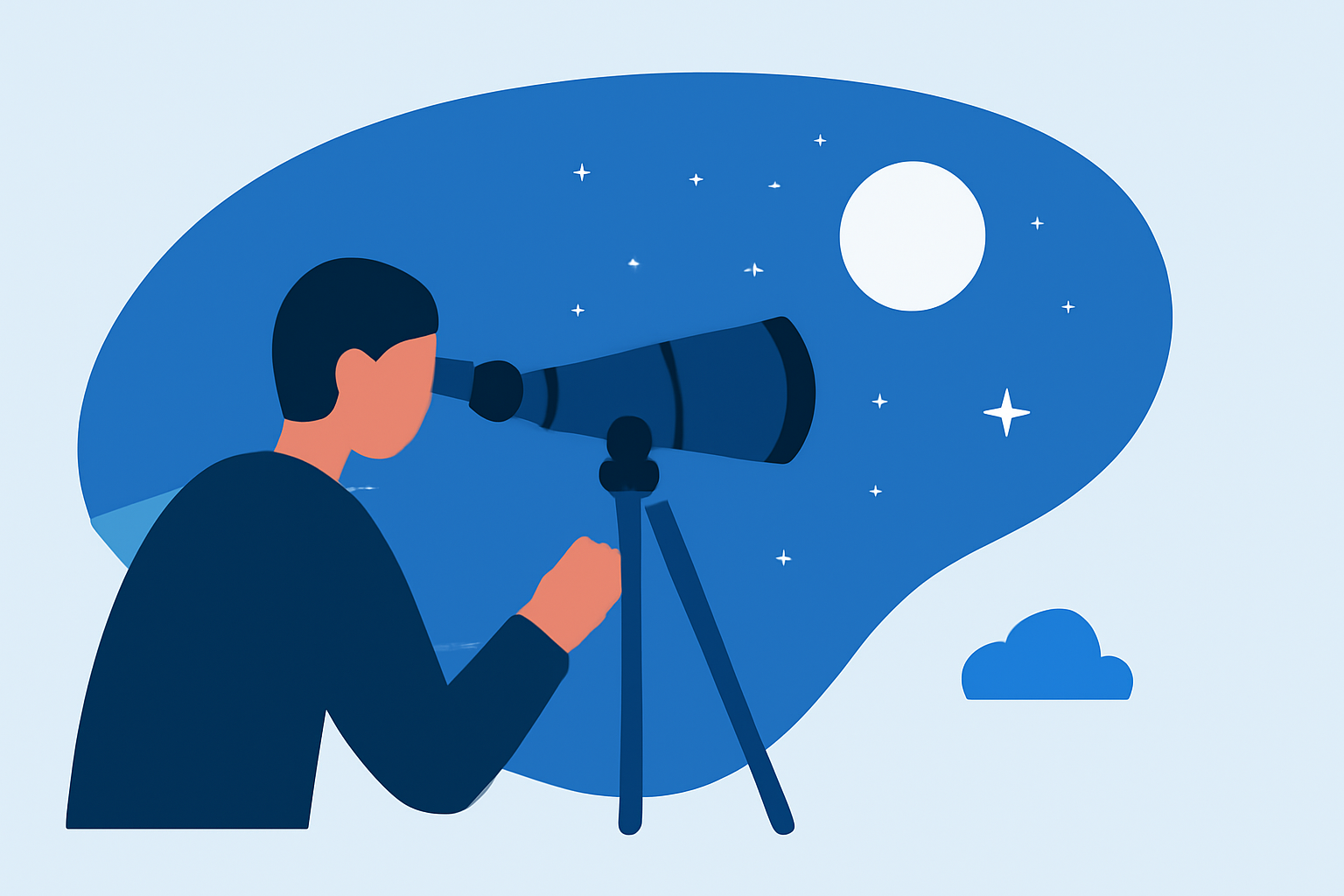
Stargazing offers a mesmerizing glimpse into the cosmos, but to truly appreciate the night sky, meticulous planning is essential. Here's a step-by-step guide to ensure your stargazing experience is both enjoyable and rewarding.
1. Choose the Right Location
Selecting an ideal stargazing spot is paramount. Look for areas with minimal light pollution, such as national parks, remote countryside, or designated dark sky sites. The International Dark-Sky Association provides a list of such locations worldwide.
2. Check the Moon Phase
The moon's brightness can significantly impact your ability to see celestial objects. A full moon can wash out fainter stars, while a new moon offers darker skies. Utilize moon phase calendars to plan your trip during a new or crescent moon phase for optimal conditions.
3. Monitor the Weather Forecast
Clear skies are essential for stargazing. Regularly check local weather forecasts for cloud cover, precipitation, and wind conditions. Specialized stargazing weather services can offer detailed insights:
-
ClearSkys: Provides a stargazing forecast with a clarity score based on cloud cover, moon phase, wind, and humidity. (clearskys.app)
-
StargazingTime: Offers a real-time stargazing score and the best window to see the Milky Way from your location. (stargazingtime.com)
4. Plan for Light Pollution
Even in remote areas, artificial light can hinder your stargazing experience. Use light pollution maps to identify the darkest areas near you. The Bortle Scale rates sky darkness from 1 (excellent) to 9 (inner-city sky). Aim for locations rated 2 or 3 for optimal viewing.
5. Prepare for the Night
Once you've selected your location and date, prepare accordingly:
-
Equipment: Bring a comfortable chair or blanket, a red flashlight to preserve night vision, and a star chart or stargazing app to identify constellations.
-
Clothing: Dress in layers to accommodate temperature changes during the night.
-
Snacks and Hydration: Pack water and light snacks to keep you refreshed.
6. Stay Informed About Astronomical Events
Enhance your stargazing experience by aligning your trip with celestial events:
-
Meteor Showers: Events like the Perseids (peaking around August 12) offer spectacular displays. (skyglow.app)
-
Planetary Alignments: Certain times of the year provide opportunities to observe multiple planets in the night sky.
-
Auroras: In northern regions, auroral activity can add a mesmerizing element to your stargazing. Monitor space weather forecasts for potential aurora sightings. (spaceweather.gov)
7. Check Local Regulations and Safety
Before heading out, ensure you're aware of any local regulations regarding nighttime activities. Some areas may have restrictions or require permits. Always prioritize safety by informing someone about your plans and carrying a fully charged mobile device.
By following these steps, you can maximize your chances of experiencing a clear, dark sky filled with stars. Remember, patience and preparation are key to a successful stargazing adventure.