
Stargazing with Pets: A Step-by-Step Guide to Planning Your Trip
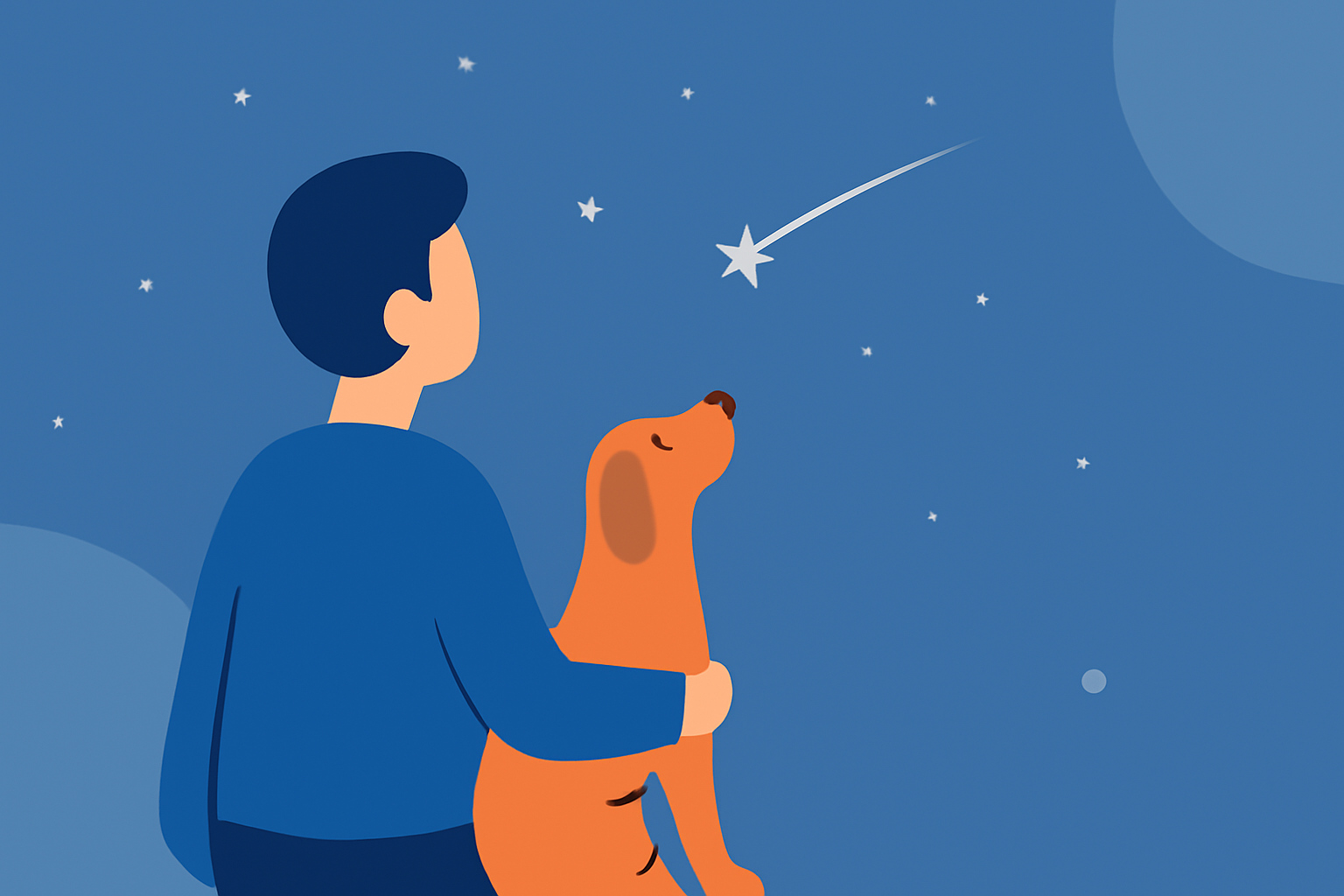
Stargazing offers a mesmerizing escape into the cosmos, and sharing this experience with your pet can make it even more special. To ensure a safe and enjoyable outing, follow this step-by-step guide tailored for pet owners.
1. Selecting the Ideal Stargazing Location
Begin by choosing a location that offers clear, dark skies away from city lights. National parks and designated dark sky areas are excellent choices. For instance, Craters of the Moon National Monument in Idaho is recognized for its exceptional stargazing conditions and allows pets in certain areas, provided they are on a leash at all times. (nps.gov)
2. Verifying Pet Policies
Before finalizing your destination, confirm the pet policies of the site. Some parks permit pets in campgrounds and parking areas but restrict them on trails or in wilderness zones. Always keep your pet on a leash and adhere to local regulations to ensure a harmonious experience for all visitors.
3. Checking the Weather Forecast
Weather conditions play a crucial role in stargazing. Clear skies are essential, so monitor local weather forecasts leading up to your trip. Tools like ClearSkys provide detailed stargazing forecasts, analyzing cloud cover, moon phases, wind, and humidity to help you determine the best nights for observation. (clearskys.app)
4. Planning for Safety and Comfort
Ensure both you and your pet are comfortable and safe during the outing:
-
Clothing and Gear: Dress in layers to accommodate temperature changes. Bring a red flashlight to preserve night vision.
-
Pet Essentials: Pack your pet's necessities, including water, food, waste bags, and a comfortable blanket or mat.
-
Health Precautions: Be aware of local wildlife and potential hazards. Keep your pet on a leash to prevent encounters with unfamiliar animals.
5. Timing Your Stargazing Session
The optimal time for stargazing is approximately 1.5 to 2 hours after sunset, when the sky is sufficiently dark. Check the lunar cycle to plan your visit around the new moon phase, as a darker sky enhances visibility. (nps.gov)
6. Respecting the Environment
Practice Leave No Trace principles by cleaning up after yourself and your pet. Dispose of waste properly and avoid disturbing wildlife. Respecting the environment ensures that stargazing locations remain pristine for future visitors.
By thoughtfully planning your stargazing trip with these steps, you can create a memorable and enjoyable experience for both you and your pet.
Highlights:
- Stargazing at Craters of the Moon (U.S. National Park Service)
- Astronomy & Stargazing - Black Canyon Of The Gunnison National Park (U.S. National Park Service), Published on Wednesday, November 12