
Stargazing with Pets: Optimal Weather Conditions and Considerations
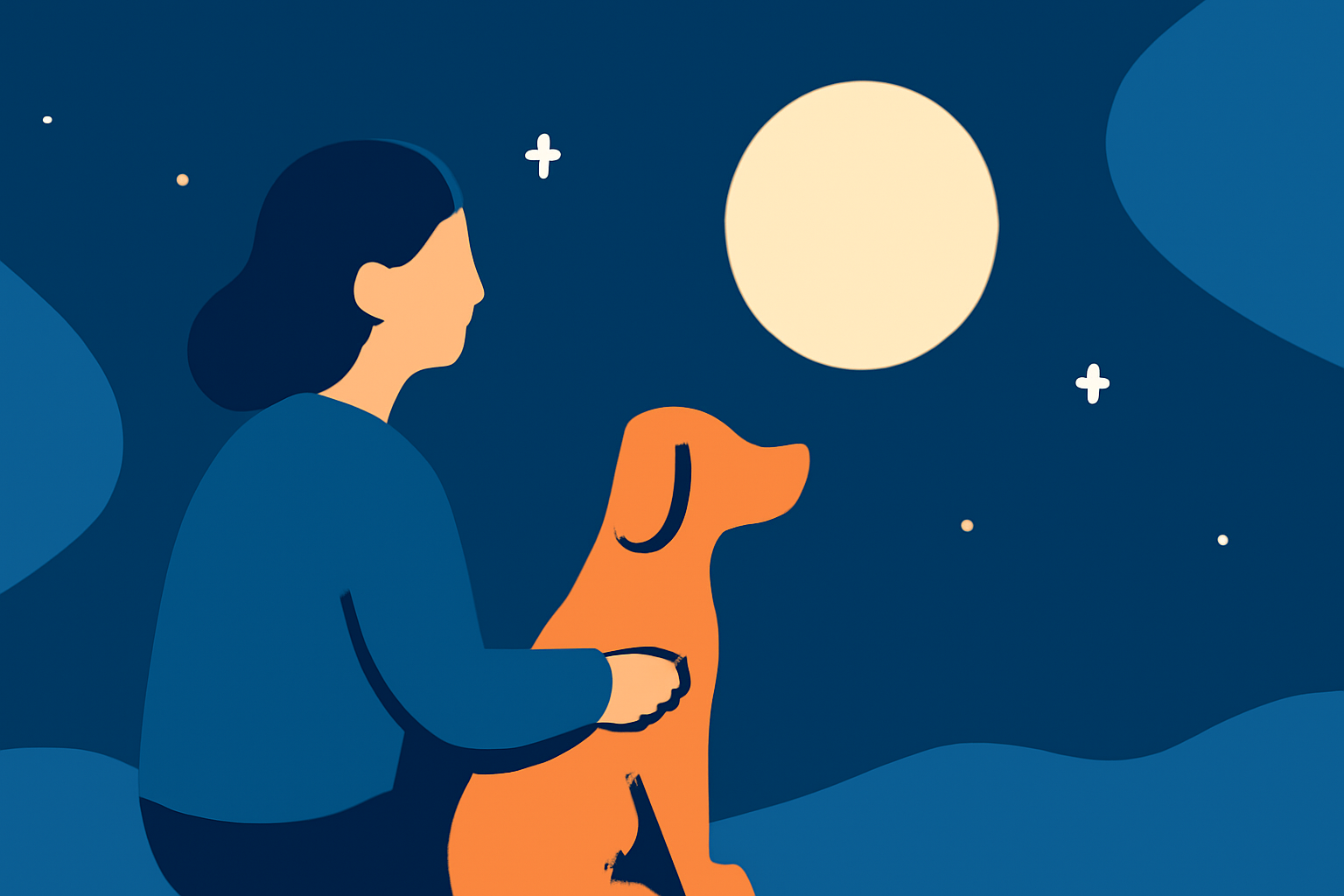
Stargazing offers a captivating way to connect with the cosmos, and sharing this experience with your pets can be both enjoyable and memorable. However, to ensure a safe and comfortable outing for both you and your furry friends, it's essential to consider specific weather conditions and preparations.
What Are the Ideal Weather Conditions for Stargazing with Pets?
Clear skies are paramount for stargazing, as cloud cover can obstruct celestial views. An ideal night features minimal cloud cover, low humidity, and calm winds. Temperatures should be comfortable for both humans and pets, avoiding extremes that could cause discomfort or health issues. Additionally, low humidity reduces atmospheric moisture, enhancing visibility and comfort. (jiyushe.com)
How Does Temperature Affect Stargazing with Pets?
Temperature plays a crucial role in both human and pet comfort during stargazing sessions. While cooler temperatures can improve air clarity, extremely cold conditions may be uncomfortable or even hazardous for pets, especially smaller breeds. It's advisable to dress in layers to adjust to changing temperatures and to monitor your pet for signs of discomfort. (coohom.com)
What Precautions Should Be Taken for Pets During Stargazing?
When planning a stargazing outing with your pet, ensure they are on a secure leash to prevent them from wandering into unsafe areas. Bring essentials such as water, snacks, and waste bags to maintain your pet's comfort and cleanliness. Be mindful of local regulations regarding pets in stargazing locations, as some areas may have restrictions. (home.nps.gov)
How Can I Prepare for a Stargazing Session with My Pet?
-
Check the Weather Forecast: Prior to your outing, verify that the weather conditions are suitable for both stargazing and your pet's comfort.
-
Choose a Pet-Friendly Location: Select a stargazing spot that permits pets and offers a safe environment for them.
-
Bring Necessary Gear: Equip yourself with a red flashlight to preserve night vision, and ensure you have appropriate clothing layers to stay warm.
-
Monitor Your Pet: Keep a close eye on your pet for signs of discomfort or distress, and be prepared to cut the session short if necessary.
How Does Moonlight Impact Stargazing with Pets?
The phase of the moon can significantly affect stargazing visibility. A new moon provides the darkest skies, ideal for observing faint celestial objects. Conversely, a full moon can brighten the night sky, making it more challenging to see dimmer stars and galaxies. Planning your stargazing sessions around the lunar cycle can enhance your experience. (ico-optics.org)
What Are the Best Seasons for Stargazing with Pets?
The optimal season for stargazing varies by location. In many areas, fall and winter offer clearer skies and longer nights, providing excellent conditions for stargazing. However, these seasons can also bring colder temperatures, so it's essential to dress appropriately and consider your pet's comfort. (ico-optics.org)
How Can I Ensure a Safe and Enjoyable Stargazing Experience for My Pet?
-
Stay Hydrated: Bring fresh water for both you and your pet to prevent dehydration.
-
Protect Your Pet from Cold: Use pet-friendly clothing or blankets to keep your pet warm during cooler nights.
-
Be Aware of Wildlife: Keep your pet on a leash to prevent encounters with wildlife that could pose risks.
-
Clean Up After Your Pet: Always pick up waste to maintain the cleanliness of the area and be considerate of other stargazers.
By carefully considering these factors and preparing accordingly, you can create a memorable and enjoyable stargazing experience for both you and your pet.
Highlights:
- Best Conditions for Watching Northern Lights With Your Dog, Published on Wednesday, April 151,turn0search7