
Staying Cool: Essential Tips for Heat Waves
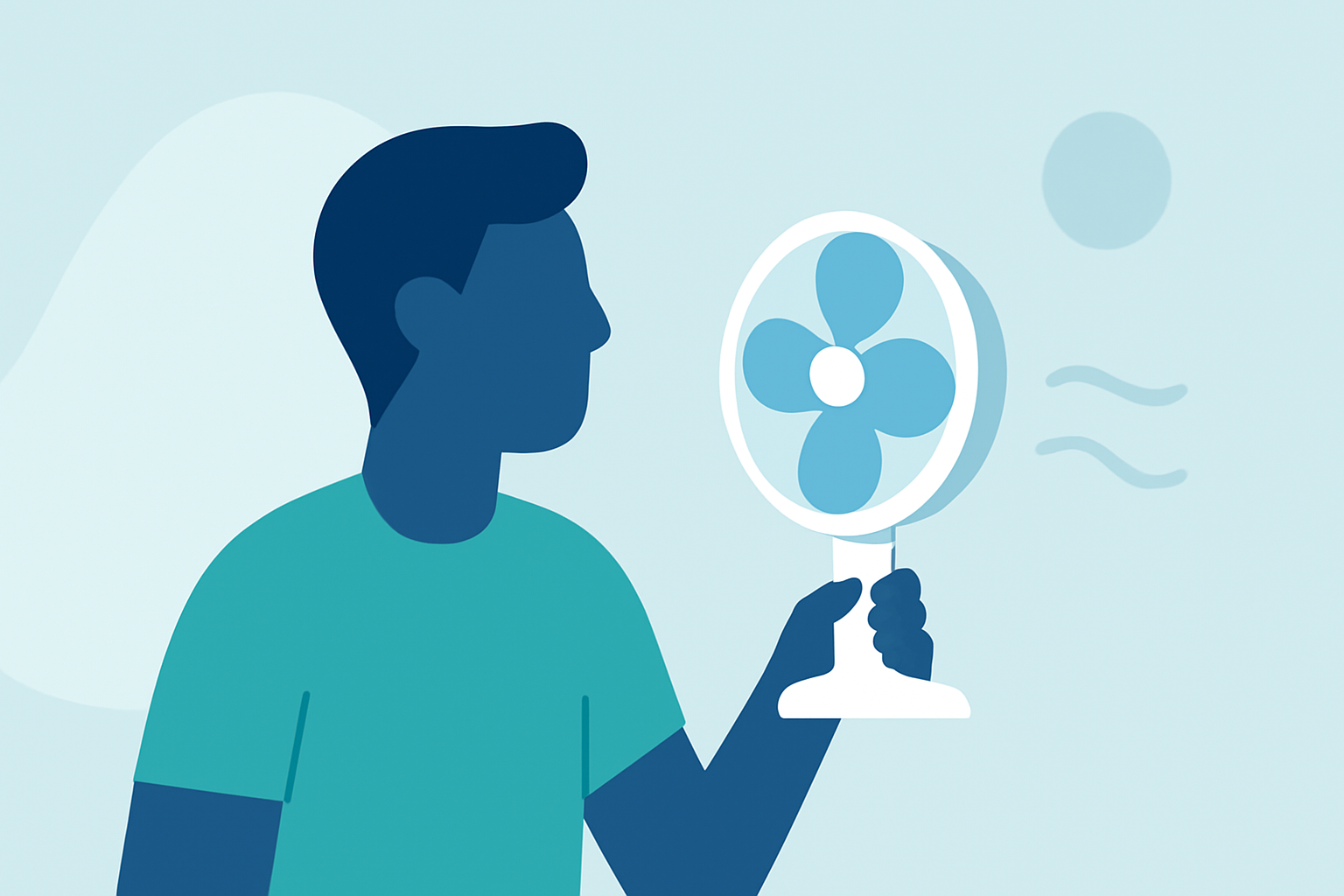
Heat waves, characterized by prolonged periods of abnormally high temperatures, pose significant health risks. Understanding how to stay cool and safe during these times is crucial.
What Are Heat Waves?
A heat wave is a period of abnormally hot weather, generally lasting more than two days. These conditions can cover large areas, exposing many people to hazardous heat. Heat waves can occur with or without high humidity and can be very taxing on the body. (weather.gov)
How Can I Stay Cool During a Heat Wave?
-
Stay Hydrated: Drink plenty of water, even if you don't feel thirsty. Hot weather causes you to sweat, and it's vital to replenish the lost fluids to avoid overheating. (almanac.com)
-
Wear Appropriate Clothing: Opt for loose-fitting, light-colored clothing made of breathable materials. Tight clothing traps heat, while light colors reflect sunlight, helping to keep you cooler. (weather.gov)
-
Seek Shade: Whenever possible, stay out of direct sunlight. Use umbrellas, hats, or seek shelter under trees or buildings to reduce exposure to heat. (nationalgeographic.com)
-
Limit Physical Activity: Avoid strenuous activities during the hottest parts of the day, typically between 10 A.M. and 4 P.M. If you must exercise, do so during cooler times, such as early morning or evening. (almanac.com)
-
Use Cooling Devices: If air conditioning isn't available, use fans, cool showers, or place a bowl of ice in front of a fan to cool the air. Applying cool, damp cloths to pulse points like the neck and wrists can also help lower body temperature. (nationalgeographic.com)
-
Monitor Vulnerable Individuals: Check on family, friends, and neighbors who are elderly or have health conditions that may make them more susceptible to heat-related illnesses. Ensure they have access to cool environments and are staying hydrated. (weather.gov)
How Can I Protect My Home During a Heat Wave?
-
Close Curtains and Blinds: Keep them closed during the day to block out the sun's heat.
-
Use Fans Strategically: Place fans near windows to create cross-ventilation, drawing in cooler air from outside.
-
Seal Leaks: Ensure windows and doors are properly sealed to prevent warm air from entering and cool air from escaping.
What Are the Signs of Heat-Related Illnesses?
Be aware of symptoms such as dizziness, rapid heartbeat, nausea, confusion, or fainting. If you or someone else experiences these symptoms, move to a cooler place, hydrate, and seek medical attention immediately. (almanac.com)
How Can I Stay Informed About Heat Waves?
Stay updated by listening to local weather forecasts and heat advisories. The National Weather Service provides heat safety information and updates on their website. (weather.gov)
By following these guidelines, you can significantly reduce the risks associated with heat waves and maintain your well-being during extreme heat conditions.
Highlights:
- Heat Domes Explained: Why These High-Pressure Systems Turn Deadly | Weather.com, Published on Sunday, July 20
- Heat waves are getting worse. Here’s how to prepare. | National Geographic, Published on Wednesday, July 05