
Staying Hydrated During Hot Weather: Essential Tips
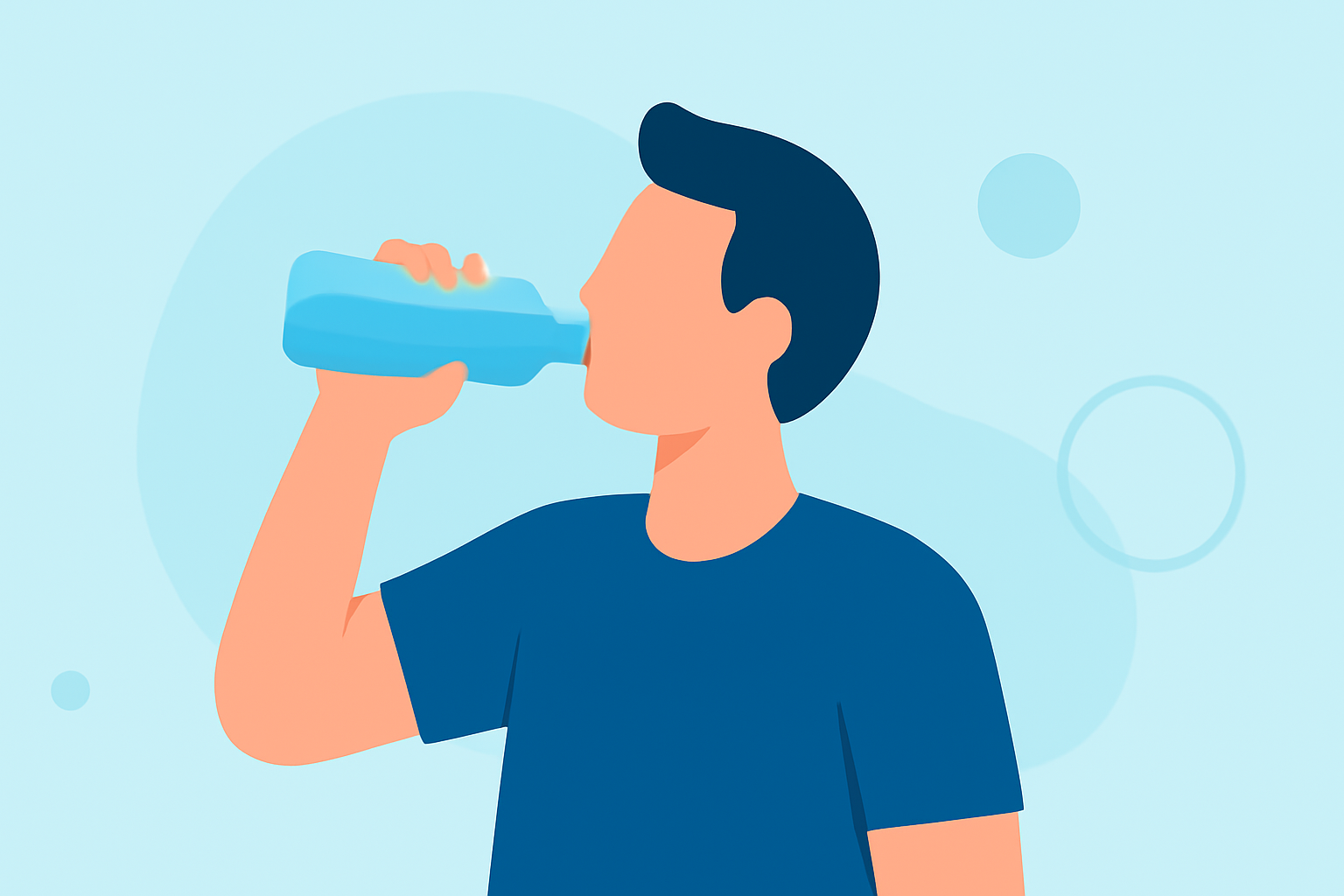
As temperatures rise, staying hydrated becomes crucial to prevent heat-related illnesses. Proper hydration supports your body's ability to regulate temperature and maintain overall health.
Why Is Hydration Important in Hot Weather?
In hot conditions, your body loses fluids through sweat as it works to cool down. If these fluids aren't replaced, dehydration can occur, leading to symptoms like dizziness, headaches, and heat exhaustion. Severe dehydration can result in heat stroke, a life-threatening condition. (cdc.gov)
How Much Water Should You Drink?
The amount of water needed varies based on factors like age, weight, activity level, and environmental conditions. A general guideline is to drink at least 8 cups (64 ounces) of water daily. However, during hot weather or physical activity, you may need more. It's advisable to drink water consistently throughout the day, even if you don't feel thirsty. (cdc.gov)
What Are the Signs of Dehydration?
Early signs of dehydration include:
-
Dark yellow urine
-
Dry mouth and skin
-
Fatigue
-
Dizziness or lightheadedness
-
Headaches
If you experience these symptoms, increase your fluid intake and seek a cooler environment. (cdc.gov)
What Are Effective Hydration Strategies?
-
Drink Water Regularly: Carry a water bottle and take sips throughout the day.
-
Limit Certain Beverages: Avoid drinks high in sugar, caffeine, and alcohol, as they can contribute to dehydration.
-
Monitor Urine Color: Aim for light yellow urine, indicating proper hydration.
-
Eat Hydrating Foods: Incorporate fruits and vegetables with high water content, such as watermelon and cucumbers, into your diet.
-
Adjust Activity Levels: Limit strenuous activities during peak heat hours, typically between 10 a.m. and 4 p.m.
How Can You Stay Cool?
-
Seek Shade: When outdoors, stay in shaded areas to reduce heat exposure.
-
Use Fans and Air Conditioning: If indoors, use fans or air conditioning to maintain a cooler environment.
-
Wear Appropriate Clothing: Opt for loose, lightweight, and light-colored clothing to reflect heat.
-
Take Cool Showers or Baths: This can help lower your body temperature.
When Should You Seek Medical Attention?
If you or someone else exhibits symptoms of heat-related illnesses, such as confusion, fainting, or rapid heartbeat, seek medical care immediately. These could be signs of heat stroke, a serious condition requiring prompt treatment. (cdc.gov)
How Can You Prepare for Hot Days?
-
Stay Informed: Check local weather forecasts and heat advisories regularly.
-
Plan Activities Wisely: Schedule outdoor activities during cooler parts of the day, like early morning or evening.
-
Stay Connected: Check on family, friends, and neighbors, especially those who are elderly or have chronic health conditions.
By following these guidelines, you can effectively manage hydration during hot weather and reduce the risk of heat-related illnesses.
Highlights:
- About Heat and Your Health | Heat Health | CDC, Published on Thursday, July 24
- Heat and Athletes | Heat Health | CDC, Published on Monday, June 24
- Workplace Recommendations | Heat | CDC, Published on Sunday, August 11