
Staying Hydrated During Hurricane Season: Essential Tips for Extreme Heat
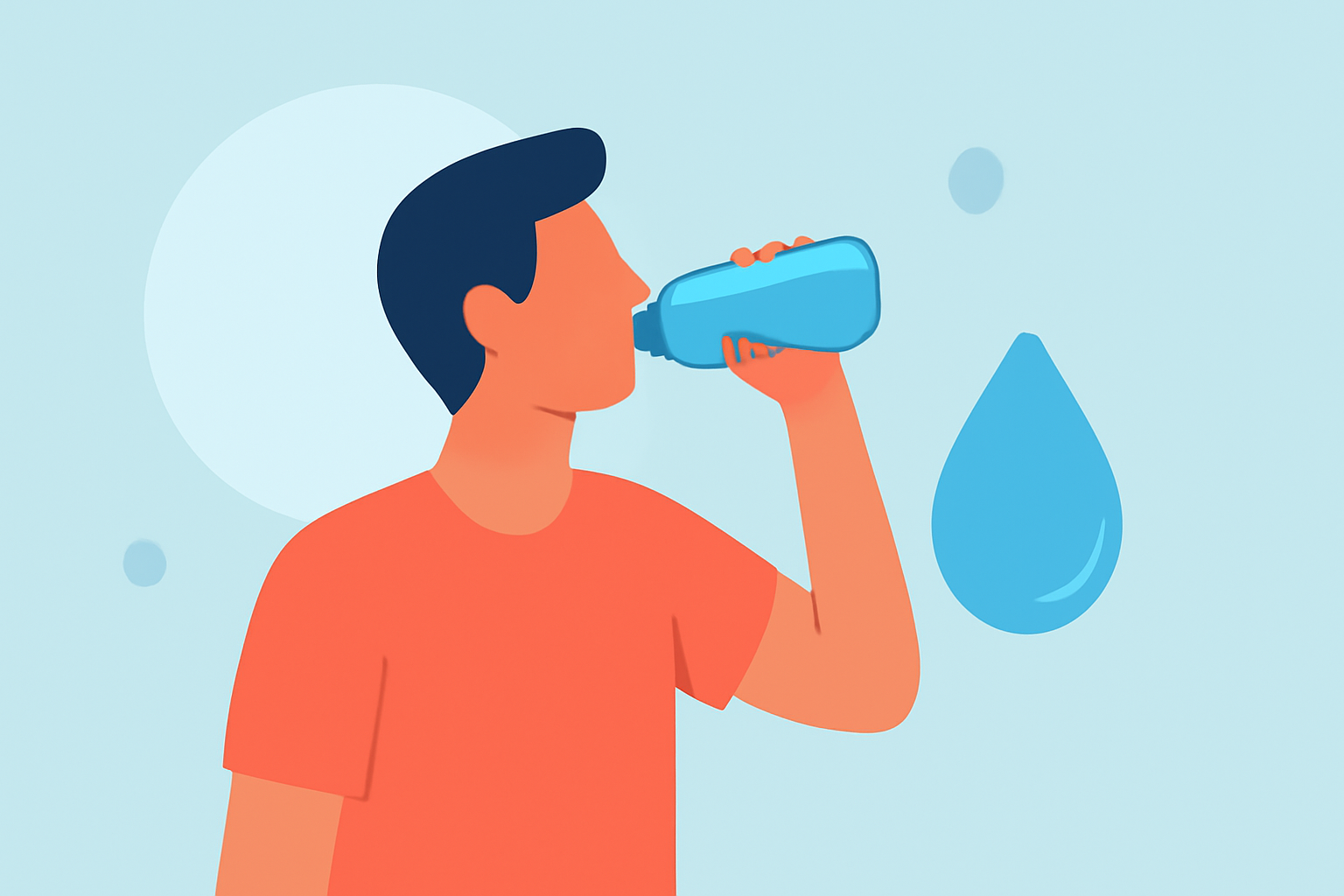
Hurricane season brings not only the threat of storms but also extreme heat and humidity, especially in coastal regions. Maintaining proper hydration during this period is crucial to prevent heat-related illnesses and ensure overall health.
Why Is Hydration Crucial During Hurricane Season?
High temperatures and humidity levels can lead to rapid fluid loss through sweat, increasing the risk of dehydration. Dehydration can cause symptoms like fatigue, dizziness, and heat exhaustion, which can be dangerous if not addressed promptly. Therefore, staying hydrated is essential to support bodily functions and maintain energy levels during the hurricane season.
How Much Water Should You Drink?
The amount of water needed varies based on individual factors and environmental conditions. A general guideline is to consume at least 1 gallon (approximately 3.8 liters) of water per person per day for drinking and sanitation. In hot climates or during physical activity, this amount may need to be increased. It's advisable to store a two-week supply if possible. (leehealth.org)
What Are the Best Beverages for Hydration?
Water is the most effective drink for staying hydrated. It's calorie-free, readily available, and efficiently replenishes lost fluids. During intense heat, incorporating beverages that replace lost electrolytes can be beneficial. Options include sports drinks with balanced electrolytes, coconut water, or homemade solutions like water with a pinch of sea salt and a splash of lemon juice. These alternatives help maintain electrolyte balance without excessive sugar intake. (navyfitness.org)
What Foods Can Help Maintain Hydration?
Certain fruits and vegetables have high water content and can aid in hydration. Examples include watermelon, cucumbers, strawberries, and lettuce. Including these foods in your diet can contribute to overall fluid intake and provide essential nutrients. (entail.mayuwater.com)
How Can You Monitor Your Hydration Status?
A simple method to assess hydration is by observing urine color. Dark yellow or amber-colored urine often indicates dehydration, while pale yellow suggests adequate hydration. Additionally, paying attention to signs like dry mouth, fatigue, and dizziness can help identify dehydration early. (entail.mayuwater.com)
What Are the Risks of Overhydration?
While staying hydrated is important, excessive water intake without adequate electrolyte balance can lead to hyponatremia, a condition where sodium levels in the blood become dangerously low. To prevent this, it's essential to balance water intake with electrolyte-rich beverages, especially during prolonged exposure to heat. (navyfitness.org)
How Can You Prepare for Emergencies?
In addition to personal hydration, it's important to prepare for potential water shortages during hurricanes. Store at least 1 gallon of water per person per day for at least three days, as recommended by the Federal Emergency Management Agency (FEMA). Ensure that water is stored in a cool, dark place and that containers are sealed to prevent contamination. (fda.gov)
How Does Clime Support Hydration Awareness?
Clime offers comprehensive weather forecasting services that provide real-time updates on temperature, humidity, and storm conditions. By staying informed through Clime's accurate forecasts, individuals can make timely decisions about hydration needs and take necessary precautions during extreme heat and hurricane events.
By following these guidelines and utilizing Clime's services, you can effectively manage hydration during hurricane season's extreme heat, ensuring your safety and well-being.