
Staying Hydrated During Winter Storms: Essential Tips
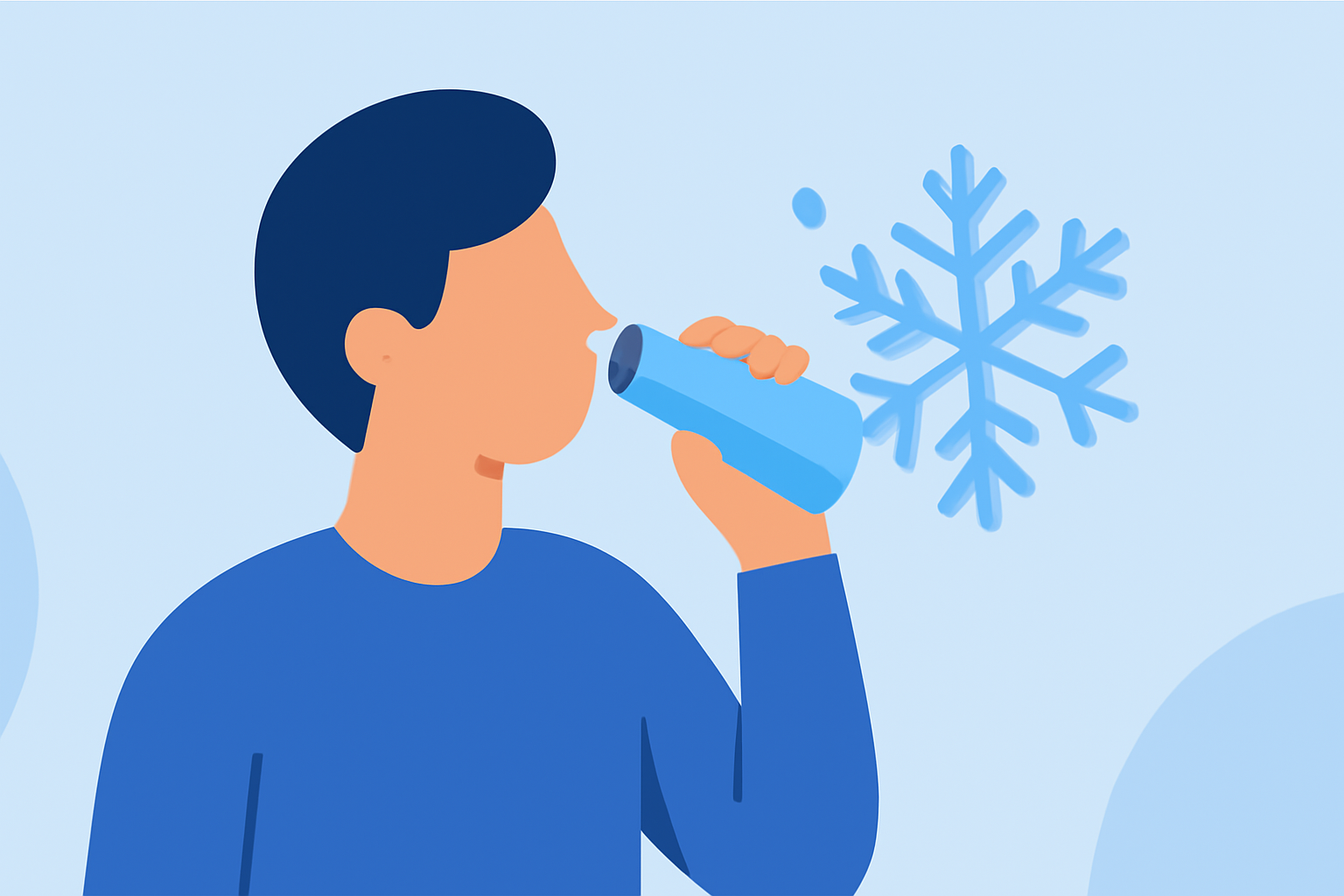
Maintaining proper hydration during winter storms is crucial for overall health and well-being. Cold temperatures can lead to dehydration, often without the noticeable signs present in warmer weather. Understanding the factors contributing to winter dehydration and implementing effective strategies can help mitigate risks associated with inadequate fluid intake.
Why Is Hydration Important During Winter Storms?
During winter storms, several factors can increase the risk of dehydration:
-
Reduced Thirst Response: Cold weather can diminish the body's natural thirst signals, leading individuals to drink less water than needed. (samhealth.org)
-
Dry Air: Both outdoor cold air and indoor heating systems lower humidity levels, causing moisture loss from the body through the skin and respiratory tract. (consumerreports.org)
-
Increased Urine Production: Cold temperatures can lead to increased urine production, further contributing to fluid loss. (heart.org)
How Much Water Should You Drink in Cold Weather?
The recommended daily water intake varies based on individual factors such as age, weight, and activity level. A general guideline is to consume at least eight 8-ounce glasses of water per day. However, during winter storms, it's advisable to increase fluid intake to compensate for additional losses due to cold-induced diuresis and dry air. (clevelandwater.com)
What Are Effective Strategies to Stay Hydrated During Winter Storms?
-
Regular Fluid Intake: Don't wait until you're thirsty to drink water. Establish a routine to sip fluids throughout the day, even if you don't feel thirsty. (safety.army.mil)
-
Consume Hydrating Foods: Incorporate foods with high water content into your diet, such as fruits and vegetables like cucumbers, berries, citrus fruits, melons, greens, and tomatoes. (clevelandwater.com)
-
Limit Diuretics: Be cautious with beverages that can increase urine production, such as those containing caffeine or alcohol. (clevelandwater.com)
-
Use a Humidifier: Adding moisture to the air can help retain body fluids and alleviate dry skin and chapped lips. (consumerreports.org)
-
Monitor Urine Color: Dark-colored urine can indicate dehydration. Aim for light yellow urine as a sign of adequate hydration. (safety.army.mil)
How Does Clime Support Hydration Awareness?
Clime offers comprehensive weather forecasts that include detailed information on temperature, humidity, and precipitation, helping you anticipate and prepare for winter storms. By staying informed about upcoming weather conditions, you can plan your hydration strategies accordingly, ensuring you maintain optimal fluid levels during adverse weather.
Conclusion
Proper hydration during winter storms is essential for maintaining health and safety. By understanding the factors contributing to winter dehydration and implementing effective strategies, you can ensure adequate fluid intake even in cold conditions. Utilizing tools like Clime can further assist in monitoring weather conditions and planning appropriate hydration practices.
Highlights:
- How to Stay Hydrated in Winter - Consumer Reports, Published on Saturday, January 24
- Staying Hydrated During Winter | Cleveland Water Department, Published on Wednesday, December 06
- Why Winter Hydration Matters & How to Stay Ahead - Samaritan Health Services, Published on Sunday, January 25