
Staying Safe During Dense Fog: Essential Tips for Commuters
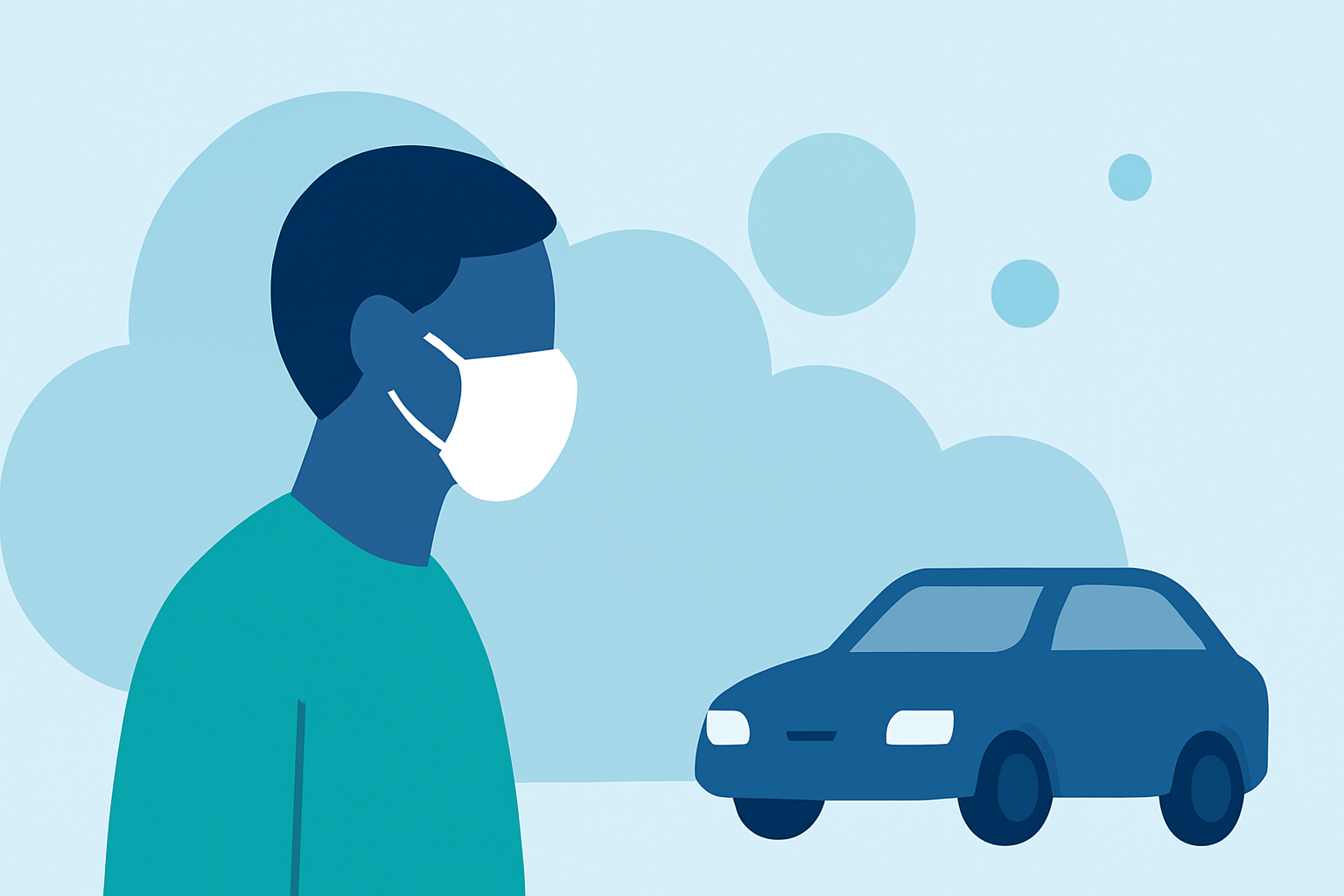
Dense fog significantly reduces visibility, posing serious risks for commuters. Understanding how to stay safe during such conditions is crucial.
What Is Dense Fog?
Dense fog occurs when tiny water droplets suspend in the air, reducing visibility to a quarter mile or less. This phenomenon can develop rapidly, especially during early morning hours, making it particularly hazardous for drivers. (weather.gov)
How Does Dense Fog Affect Commuters?
Reduced visibility in dense fog can lead to:
- Increased Accident Risk: Drivers may not see obstacles or other vehicles in time to react.
- Delayed Reaction Times: Fog can disorient drivers, leading to slower responses.
- Difficulty Judging Speed and Distance: Estimating the speed of oncoming traffic becomes challenging.
What Are the Safety Measures for Driving in Dense Fog?
To ensure safety during foggy conditions, consider the following guidelines:
- Slow Down: Reducing speed allows more time to react to sudden changes.
- Use Low-Beam Headlights: High beams can reflect off fog particles, worsening visibility.
- Increase Following Distance: Maintain a greater distance from the vehicle ahead to allow ample stopping time.
- Avoid Sudden Stops: Sudden braking can lead to rear-end collisions; signal turns and lane changes early.
- Stay Alert: Keep windows slightly open to listen for traffic sounds and avoid distractions.
For more detailed safety information, refer to the National Weather Service's guidelines on fog safety. (weather.gov)
How Can Clime Enhance Your Commute During Dense Fog?
Clime offers advanced weather alert services that can significantly improve your commute during foggy conditions:
- Real-Time Fog Alerts: Receive timely notifications about dense fog in your area, allowing you to plan your route accordingly.
- Customized Safety Thresholds: Set personal visibility thresholds to get alerts when conditions become hazardous.
- Comprehensive Weather Updates: Access detailed forecasts and live updates to stay informed about changing weather patterns.
By integrating Clime's services into your daily routine, you can make informed decisions and enhance your safety during foggy commutes.
What Are the Benefits of Using Clime for Weather Alerts?
Utilizing Clime's weather alert services provides several advantages:
- Proactive Planning: Anticipate weather-related challenges before they impact your commute.
- Increased Safety: Stay informed about hazardous conditions, reducing the likelihood of accidents.
- Time Efficiency: Optimize your travel time by avoiding routes affected by adverse weather.
Incorporating Clime's weather alerts into your daily routine can lead to a safer and more efficient commute.
How Does Clime Compare to Other Weather Alert Services?
Clime distinguishes itself by offering:
- Hyper-Local Alerts: Receive notifications tailored to your specific commute routes and times.
- User-Friendly Interface: Easily navigate through weather updates and alerts.
- Comprehensive Coverage: Access a wide range of weather information beyond just fog conditions.
These features make Clime a valuable tool for commuters seeking reliable and timely weather information.
What Are the Limitations of Clime's Weather Alert Services?
While Clime offers extensive weather alert services, it's important to note that:
- Dependence on Data Sources: The accuracy of alerts depends on the quality and timeliness of weather data.
- Geographical Coverage: Some remote areas may have limited coverage or delayed updates.
Being aware of these limitations can help you use Clime's services more effectively.
By understanding the risks associated with dense fog and utilizing Clime's advanced weather alert services, you can enhance your safety and efficiency during foggy commutes.