
Staying Safe During Workouts Amid Wildfire Smoke Alerts
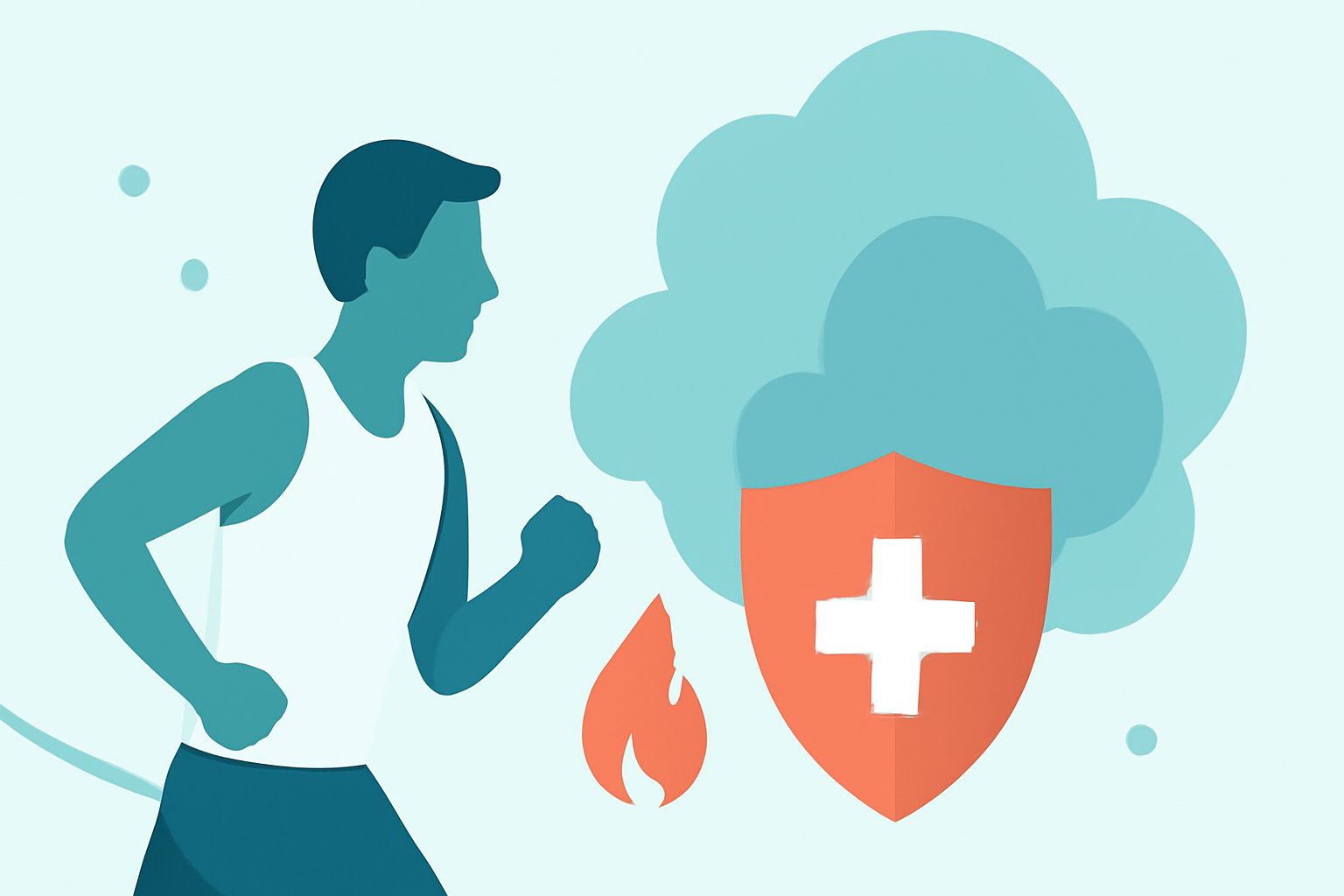
Wildfires can significantly degrade air quality, posing health risks, especially during physical activities. Understanding how to exercise safely during such conditions is crucial.
What Are the Health Risks of Exercising in Wildfire Smoke?
Wildfire smoke contains fine particles and gases that can irritate the respiratory system, leading to symptoms like coughing, wheezing, and difficulty breathing. Individuals with pre-existing conditions such as asthma, COPD, heart disease, diabetes, chronic kidney disease, or those who are pregnant are particularly vulnerable. Even healthy individuals may experience adverse effects. (cdc.gov)
How Can I Determine If It's Safe to Exercise Outdoors?
The Air Quality Index (AQI) is a valuable tool for assessing air quality:
-
0 to 50 (Good): Air quality is satisfactory; it's generally safe to exercise outdoors.
-
51 to 100 (Moderate): Air quality is acceptable; however, some individuals sensitive to air pollution may experience health effects.
-
101 to 150 (Unhealthy for Sensitive Groups): Sensitive individuals may experience health effects; it's advisable to limit outdoor activities.
-
151 to 200 (Unhealthy): Everyone may begin to experience health effects; it's recommended to avoid outdoor activities.
-
201 to 300 (Very Unhealthy): Health alert; everyone may experience more serious health effects; stay indoors.
-
301 and higher (Hazardous): Health warning of emergency conditions; everyone is more likely to be affected; avoid all outdoor activities.
Monitoring local air quality reports can help you make informed decisions about outdoor exercise. (cdc.gov)
What Precautions Should I Take If I Choose to Exercise Outdoors?
If outdoor exercise is unavoidable, consider the following:
-
Wear a Well-Fitting N95 or KN95 Mask: These masks can filter out harmful particles from the air. (axios.com)
-
Limit Intensity and Duration: Engage in light activities and reduce the time spent outdoors.
-
Stay Hydrated: Drink plenty of water to help your body cope with the stress of exercise and smoke exposure.
-
Listen to Your Body: If you experience symptoms like dizziness, shortness of breath, or chest pain, stop exercising immediately and seek medical attention.
How Can I Protect Myself When Exercising Indoors?
To ensure indoor air quality during workouts:
-
Use Air Purifiers: Equip your exercise area with HEPA-filter air purifiers to reduce indoor smoke particles. (axios.com)
-
Keep Windows and Doors Closed: Prevent outdoor smoke from entering by sealing openings.
-
Avoid Adding Indoor Pollutants: Refrain from activities like smoking, burning candles, or using gas appliances during workouts.
When Should I Postpone My Workout?
It's advisable to postpone outdoor exercise when:
-
AQI is Unhealthy or Hazardous: High AQI levels indicate poor air quality; staying indoors is safer.
-
You Experience Symptoms: If you feel unwell, it's best to rest and avoid physical activity.
-
Local Authorities Advise Against Outdoor Activities: Follow guidance from health officials and local authorities.
How Can I Stay Informed About Air Quality?
Regularly check local air quality reports through:
-
AirNow.gov: Provides real-time AQI updates. (cdc.gov)
-
Local News Outlets: Offer updates on air quality and health advisories.
By staying informed and taking appropriate precautions, you can protect your health during workouts amid wildfire smoke alerts.