
Staying Safe During Workouts in Ice Storm Conditions
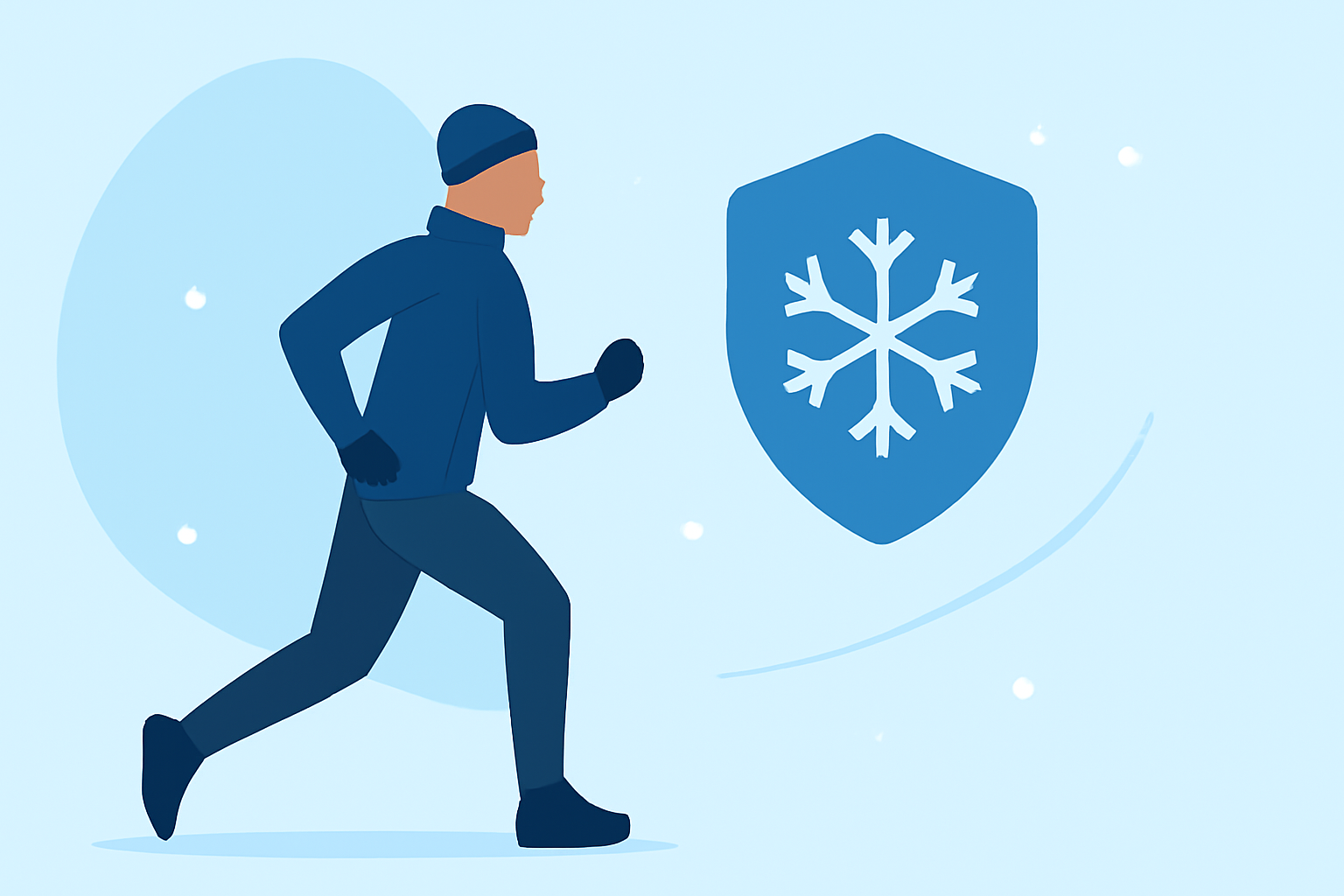
Exercising during an ice storm presents significant risks due to hazardous conditions like slippery surfaces, reduced visibility, and extreme cold. To maintain safety and well-being, consider the following steps:
1. Assess the Necessity of Outdoor Exercise
Before heading outside, evaluate whether your workout can be postponed or adapted to indoor activities. The Centers for Disease Control and Prevention (CDC) advises minimizing outdoor exposure during severe winter weather to prevent cold-related injuries. (cdc.gov)
2. Monitor Weather Conditions
Stay updated with local weather forecasts to understand the severity of the ice storm. The Mayo Clinic recommends checking the wind chill factor, as extreme cold combined with wind can increase the risk of frostbite. (sportsmedicine.mayoclinic.org)
3. Dress Appropriately
If outdoor exercise is unavoidable, wear multiple layers of clothing to trap heat and protect against the cold. The CDC suggests wearing a hat, scarf, mittens, and water-resistant outerwear. (cdc.gov)
4. Prioritize Safety Measures
Be cautious of icy surfaces to prevent slips and falls. The CDC recommends keeping walkways clear of ice and using sand or salt to improve traction. (cdc.gov)
5. Recognize Signs of Cold-Related Illnesses
Be vigilant for symptoms of hypothermia and frostbite, such as shivering, numbness, or loss of coordination. The Mayo Clinic advises seeking shelter immediately if these symptoms occur. (sportsmedicine.mayoclinic.org)
6. Consider Indoor Alternatives
Opt for indoor workouts when possible. The Mayo Clinic suggests that indoor exercises can be a safer and more comfortable option during severe winter weather. (sportsmedicine.mayoclinic.org)
7. Stay Hydrated and Nourished
Ensure adequate hydration and nutrition to support your body during physical activity. The CDC emphasizes the importance of maintaining energy levels, especially in cold conditions. (cdc.gov)
8. Listen to Your Body
Pay attention to how your body responds during exercise. If you experience discomfort or signs of cold-related illnesses, stop exercising and seek warmth immediately.
By adhering to these guidelines, you can exercise more safely during ice storms and reduce the risk of cold-related injuries.
Highlights:
- Safety Tips for Ice Storms, Published on Thursday, May 07
- Safety Guidelines: During & After a Winter Storm | Winter Weather | CDC, Published on Tuesday, February 06