
Staying Safe on the Golf Course During Severe Weather
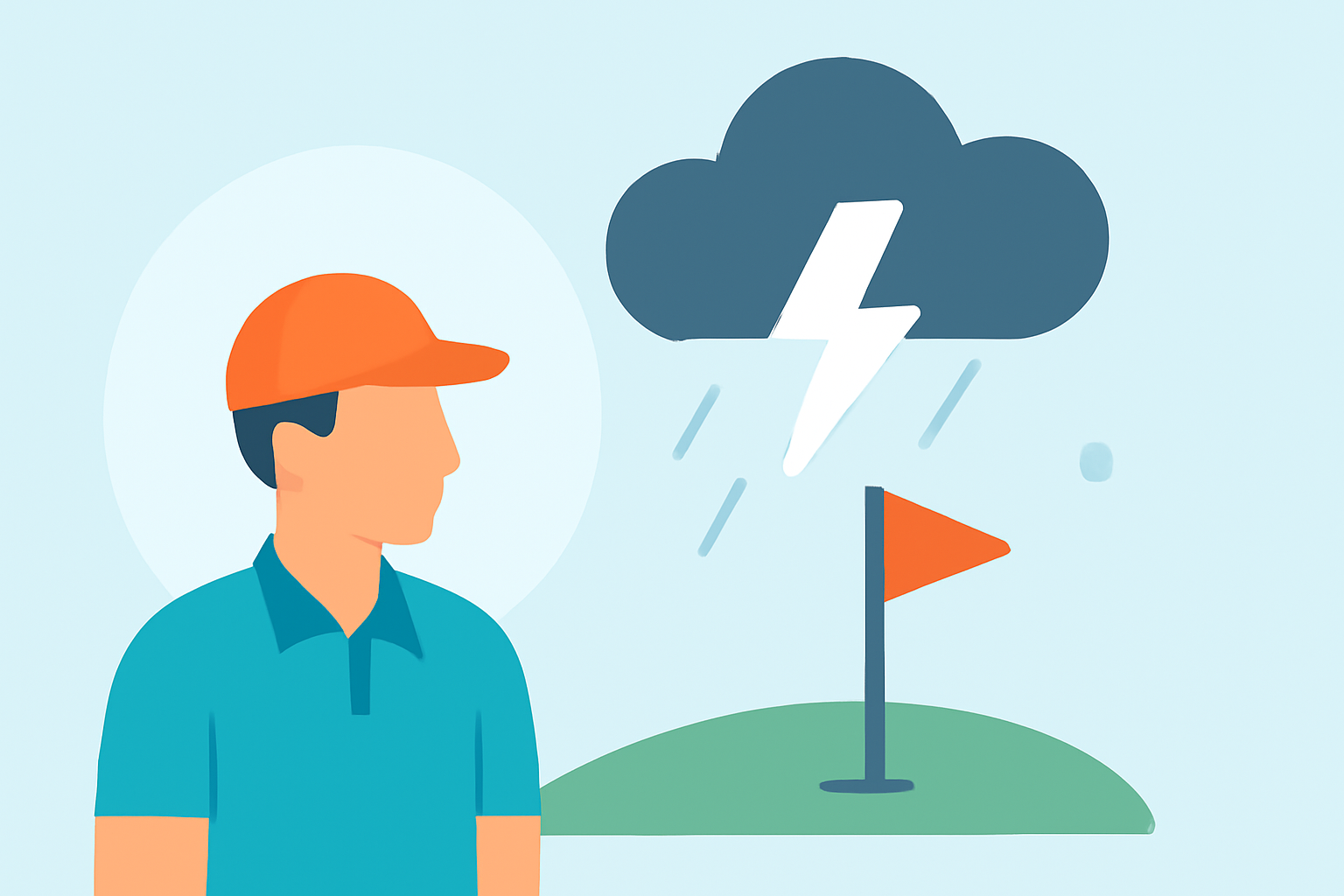
Golf is a sport that thrives outdoors, but severe weather can pose significant risks to players and the integrity of the game. Understanding how to monitor and respond to adverse weather conditions is crucial for safety and enjoyment. This guide provides essential information on staying safe during severe weather while golfing.
Understanding Severe Weather Risks on the Golf Course
Severe weather encompasses conditions such as thunderstorms, lightning, heavy rain, high winds, and extreme temperatures. These elements can lead to hazardous situations, including:
-
Lightning Strikes: Golf courses are often open areas, making them susceptible to lightning strikes, which can be fatal.
-
Flooding: Heavy rainfall can quickly transform fairways and greens into waterlogged hazards.
-
High Winds: Strong gusts can cause trees to fall, uproot equipment, and create dangerous debris.
-
Extreme Temperatures: Excessive heat or cold can lead to heatstroke, hypothermia, or other health issues.
Monitoring Weather Conditions Effectively
Accurate and timely weather information is vital for golfers. Utilizing specialized weather services can provide detailed insights:
-
Hyper-Local Forecasts: Some services offer forecasts tailored to specific golf courses, considering microclimates and local geography.
-
Real-Time Alerts: Immediate notifications about severe weather developments enable prompt action.
-
Advanced Radar Technology: High-resolution radar can detect severe weather patterns, such as thunderstorms and lightning, in real-time.
Recommended Weather Services for Golfers
While there are various weather services available, it's essential to choose one that aligns with your specific needs. Look for features like hyper-local forecasts, real-time alerts, and advanced radar technology to ensure comprehensive coverage.
Safety Protocols During Severe Weather
When severe weather is imminent or occurring, golfers should adhere to the following safety measures:
-
Seek Shelter Immediately: At the first sign of severe weather, leave the course and find shelter in a sturdy building or vehicle.
-
Avoid Water and Open Areas: Do not shelter under trees or near bodies of water, as these can attract lightning.
-
Monitor Weather Updates: Stay informed through reliable weather services to receive timely alerts and updates.
-
Follow Course Guidelines: Adhere to any instructions or warnings issued by course management regarding weather-related closures or delays.
-
Delay Play When Necessary: If severe weather is forecasted or occurring, postpone your round until conditions are safe.
Conclusion
Prioritizing safety during severe weather is paramount for golfers. By staying informed through specialized weather services and adhering to established safety protocols, golfers can protect themselves and others while enjoying the game. Remember, no round of golf is worth compromising your safety.
FAQs
Q1: How can I receive real-time weather alerts for my golf course?
A1: Utilize weather services that offer hyper-local forecasts and real-time alerts tailored to your specific location.
Q2: What should I do if lightning is detected near the golf course?
A2: Seek shelter immediately in a sturdy building or vehicle, and avoid open areas and water bodies.
Q3: Are there any weather services specifically designed for golfers?
A3: Yes, some services provide forecasts and alerts tailored to golf courses, considering local conditions and microclimates.
Q4: How can I access advanced radar technology for weather monitoring?
A4: Choose weather services that offer high-resolution radar imagery and real-time updates for accurate weather tracking.
Q5: What are the key features to look for in a weather service for golfers?
A5: Look for hyper-local forecasts, real-time alerts, advanced radar technology, and user-friendly interfaces to ensure comprehensive coverage.