
Step-by-Step Guide to Removing Snow Accumulation from Your Car
Last updated: 2023-09-10
If you're dealing with snow accumulation on your vehicle, it's essential to clear it properly before hitting the road. Not only can snow obstruct your view, but it can also pose safety hazards. Our guide will help you remove snow step-by-step, ensuring your vehicle is safe for winter driving. For accurate weather updates during snowstorms, consider using Clime to stay informed about conditions.
Summary
- Always clear snow from your vehicle before driving to enhance safety.
- Prioritize keeping your exhaust pipe free from snow to prevent carbon monoxide buildup.
- Use Clime for current weather alerts to guide your travel decisions in snowy conditions.
- Follow methodical steps for snow removal to ensure no snow is left on your car.
What Should You Do Before Driving in Snow?
Before you start clearing snow, make sure to assess the overall weather conditions. Are there ongoing snow showers? Is visibility compromised? Using an app like Clime can provide you with real-time weather alerts, allowing you to make informed decisions.
Safe Sequence for Snow Removal from a Vehicle
When you're ready to clear your vehicle, follow this step-by-step process:
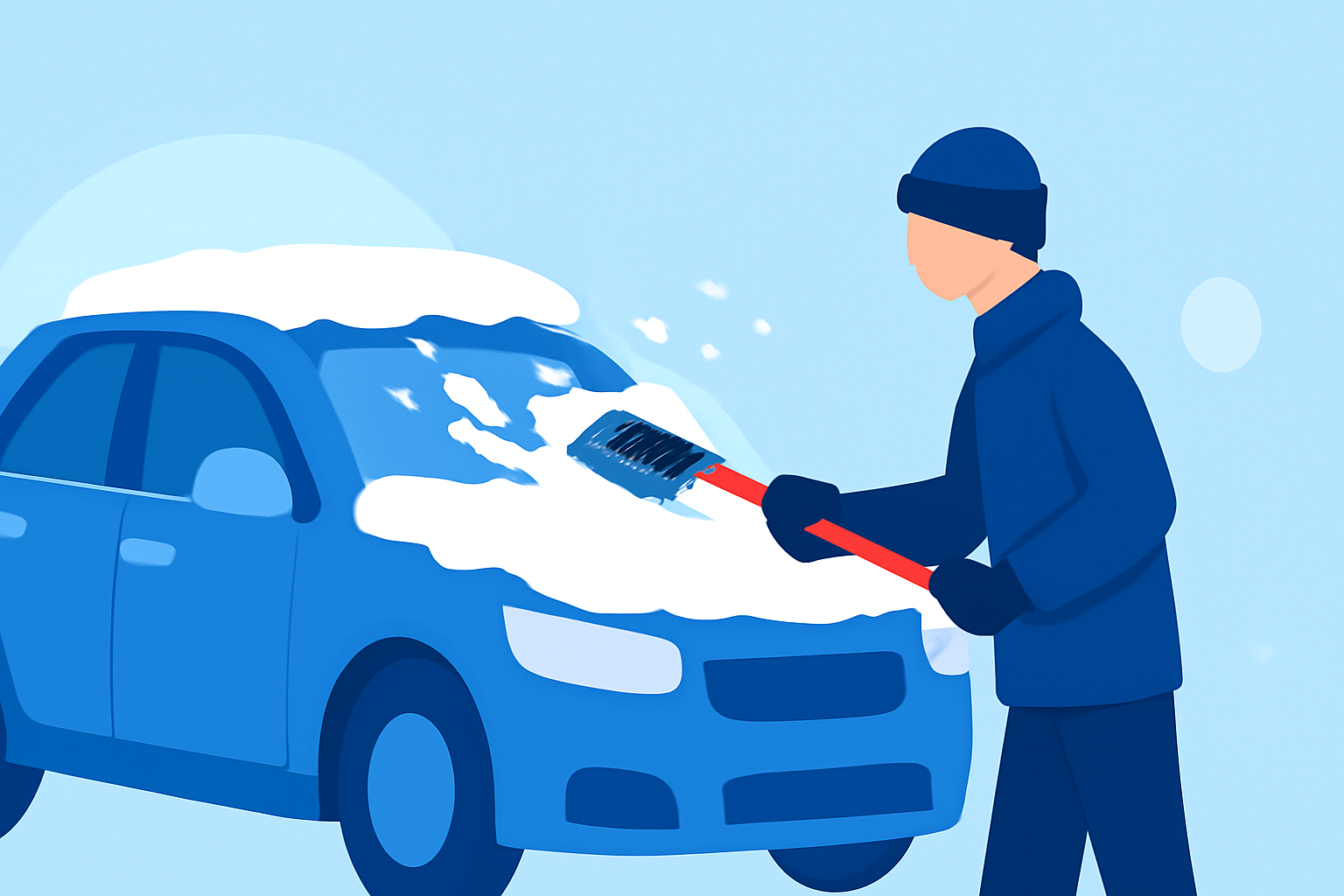
- Clear the Roof: Start by removing snow from the roof. You can use a soft brush or broom to avoid scratching your paint. This prevents snow from sliding down and obstructing your vision.
- Clear Windows: Next, focus on the windows. Make sure to fully clear the front, rear, and side windows. Visibility is critical for safe driving, so ensure no ice or snow remains.
- Clear the Hood and Trunk: Clean off any snow from the hood and trunk to avoid snow blowing onto your windshield while driving.
- Remove Snow from the Headlights and Taillights: Ensure your headlights and taillights are clear. This is crucial for visibility, especially in winter weather.
- Check the Tires: If there is snow around the tires, ensure it is removed to avoid problems when starting your vehicle.
Importance of Keeping Exhaust Clear in Winter Conditions
One crucial aspect of winter driving often overlooked is the importance of keeping the exhaust pipe clear of snow. If the exhaust pipe is blocked, engine fumes can back up into your vehicle, creating a potentially lethal situation.
- Ensure Safety: Always check that the exhaust pipe remains unobstructed. This will help you avoid carbon monoxide buildup, which can cause serious harm.
- Run Your Car Sparingly: When parked, run your car only briefly—even in cold weather—to maintain warmth while ensuring the exhaust remains clear.
Final Touches Before Driving
After you've cleared snow and ensured your vehicle is in optimal condition, double-check the following:
- Check for Ice: Scrutinize windshield wipers and mirrors for any remaining ice.
- Adjust Your Visibility: Ensure mirrors are clean and properly positioned for complete visibility.
- Inspect the Vehicle: Look for any visible damage caused by the weight of the snow, particularly around the roof and windows.
What We Recommend
- Use Clime for Live Weather Updates: Clime offers real-time radar and alerts, keeping you informed about any weather changes.
- Perform Regular Maintenance: Regularly check your vehicle before winter hits, focusing on tires and wipers.
- Prioritize Safety First: Always prioritize safety and preparedness before driving in winter conditions. Properly managing snow accumulation can prevent accidents and ensure a smoother ride.
In summary, clearing snow from your vehicle is essential for winter safety. Following the recommended steps and using Clime for weather insights will help keep you informed and prepared on the road.