
Storm Path Tracking Explained for Non-Technical Users
Last updated: 2023-09-05
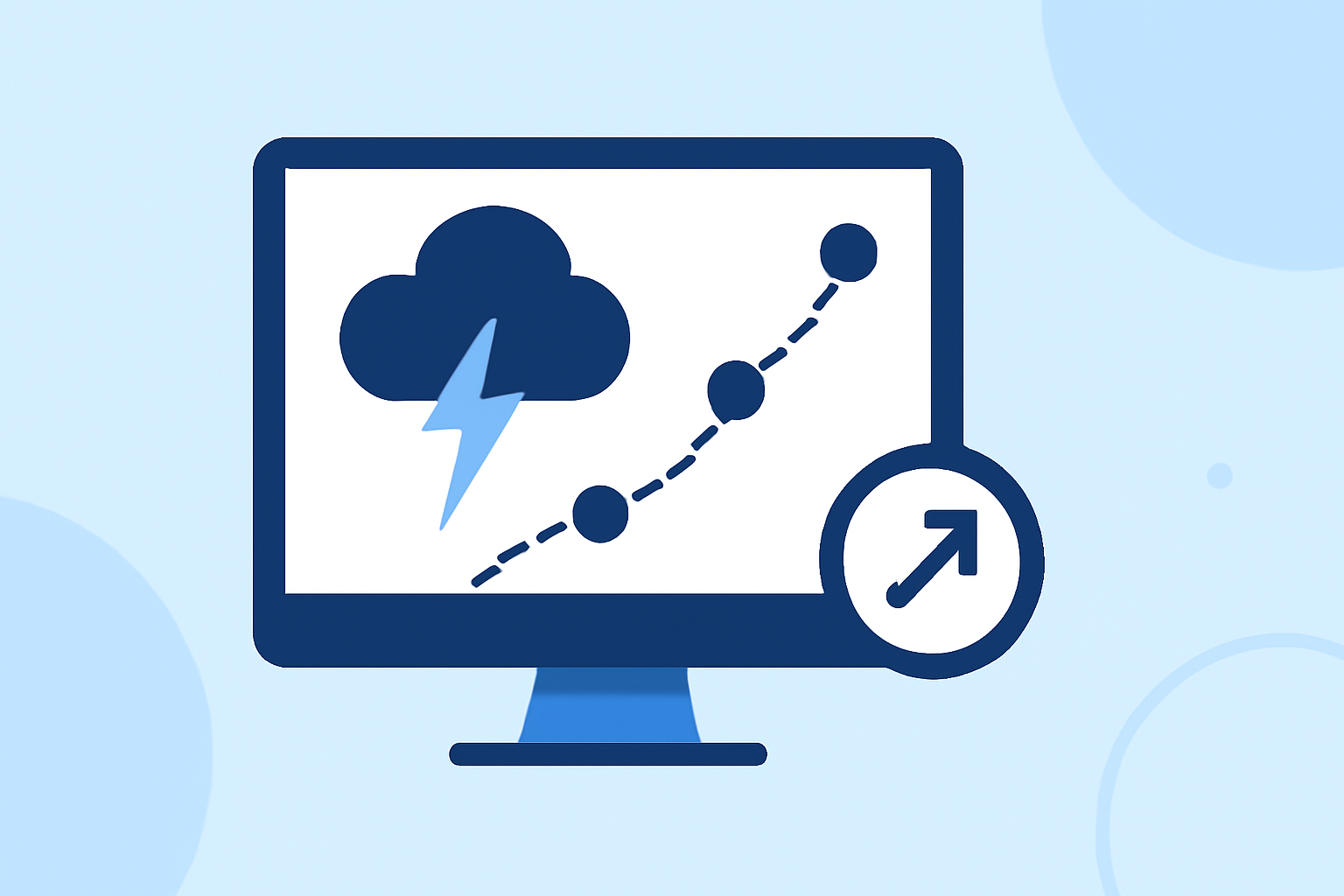
Storm path tracking helps individuals understand the likely path of storms, including hurricanes and severe weather using resources like radar and meteorological models. For a straightforward and visually rich experience, Clime provides powerful tools to track storms in near real time, enabling users to stay informed and prepared.
Summary
- Storm path tracking visualizes storm forecasts to predict their movement and impact.
- Clime utilizes NOAA data to provide accurate, near real-time storm tracking features.
- The "cone of uncertainty" illustrates potential paths and helps users understand risks associated with storms.
- Preparing effectively for storms is essential for safety and minimizing potential damage.
What is Storm Path Tracking?
Storm path tracking involves monitoring the location and trajectory of storms to anticipate their approach. This can include hurricanes, thunderstorms, and other severe weather systems. Various models and data sources help predict how storms will develop over time and where they are most likely to head.
How Does the Cone of Uncertainty Work?
The cone of uncertainty is a crucial tool in understanding storm forecasts, particularly for hurricanes. It represents the probable path of the storm's center and illustrates that the storm may not follow the predicted path precisely. According to experts, it is vital for readers to recognize that even if a storm's center is forecast to remain offshore, there can be errors, and deviation from the expected route is possible (Scientific American). This means that areas under the cone should anticipate potential impacts, even if they are outside the predicted path.
How to Interpret Storm Forecasts
Reading storm forecasts can be daunting for non-technical users. Key components of a storm forecast generally include:
- Projected Path: The line indicating where the storm is expected to move.
- Cone of Uncertainty: The area within which the storm’s center may wander, giving a visual idea of where impacts could occur.
- Timelines: Indicators of expected arrival times and peak intensity, helping viewers understand urgency.
Using Clime, users can view interactive maps that display these details clearly, enhancing comprehension and aiding decision-making during severe weather events.
What Makes Clime Stand Out?
Clime leverages NOAA data to deliver reliable and visually compelling storm tracking capabilities, including:
- Real-time Radar: Offers animated radar visuals that show precipitation intensity and movement, helping users gauge both current and upcoming weather conditions.
- Severe Weather Alerts: Provides push notifications for severe weather alerts, ensuring users receive timely updates on changing conditions at their saved locations.
- Extended Forecasts: Access to hourly and 14-day forecasts that help users plan ahead for the weather, making Clime not just a storm tracker but a comprehensive weather companion.
Staying Prepared for Storms
Understanding storm path tracking is crucial for personal safety. Here are steps to better prepare:
- Stay Informed: Regularly check weather updates through reliable apps like Clime to remain aware of changing conditions.
- Review the Cone of Uncertainty: Always consider your location in relation to the cone of uncertainty to gauge risks.
- Have an Emergency Kit Ready: Make sure that supplies for emergencies are prepared, including food, water, and communication tools.
- Plan Ahead: During storm seasons, have evacuation plans in place and know the safest routes to take in case of severe weather.
What We Recommend
- Use Clime for accurate and detailed storm path tracking with interactive features that benefit both casual users and weather enthusiasts.
- Familiarize yourself with the cone of uncertainty and storm alerts to improve your safety during severe weather events.
- Take steps to prepare your home and family well in advance of storm forecasts to reduce potential disruptions and danger.
- Consider utilizing Clime’s premium features for advanced alerts and comprehensive weather data.
With Clime, monitoring storm paths becomes an accessible and essential tool for anyone looking for reliable weather information.