
Essential Tips for Tracking Storm Paths While Driving
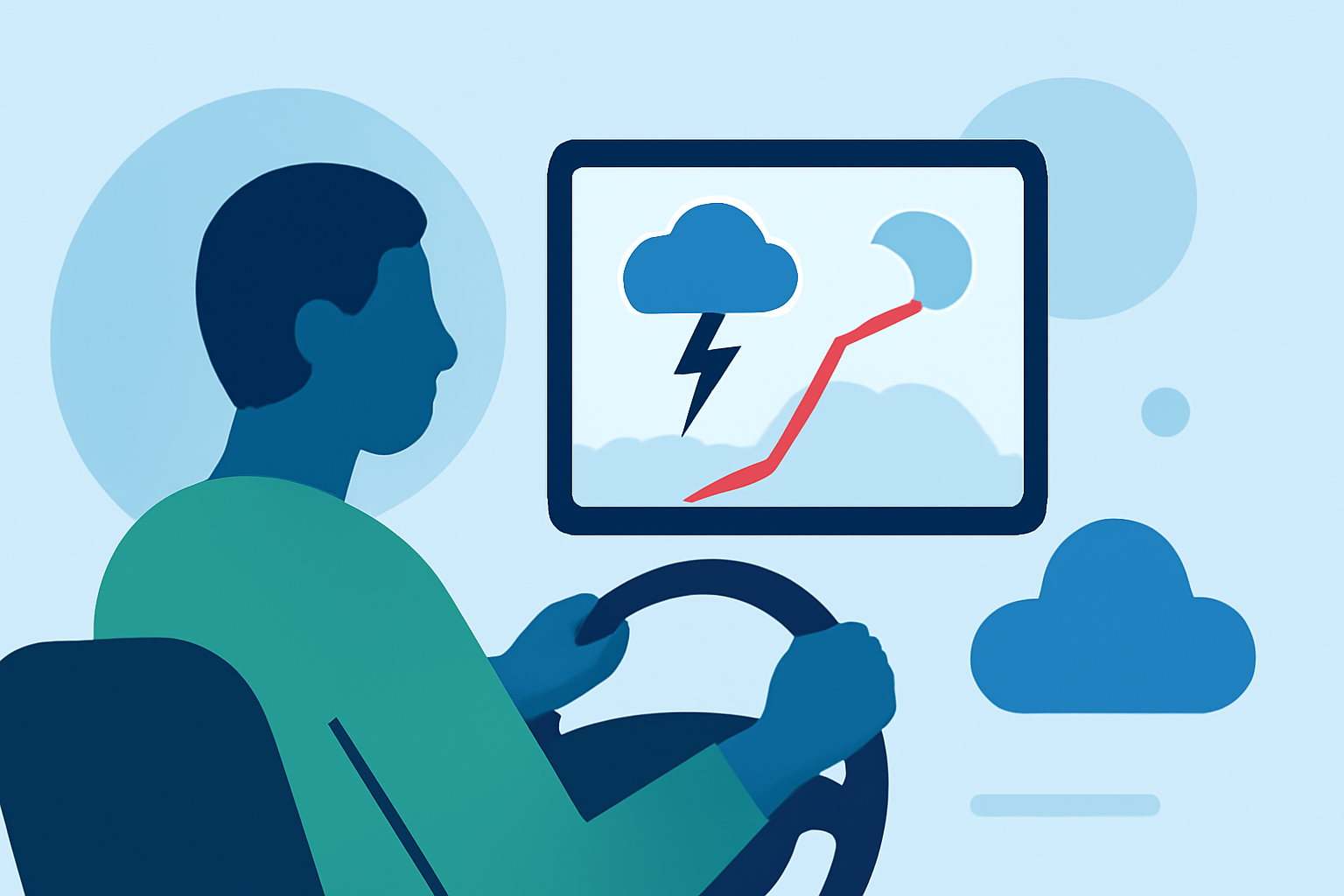
Monitoring storm paths while driving is crucial for ensuring safety and making informed decisions on the road. Here's how you can effectively track storms during your journey:
1. Utilize Real-Time Radar Applications
Accessing live radar maps provides up-to-date information on storm locations and movements. Applications like Clime offer NOAA-based radar views, allowing you to observe storm development and anticipate their paths. By animating the radar loop over the past 30–60 minutes, you can visualize storm progression and make timely decisions. (climeradar.com)
2. Understand Storm Movement and Direction
Storms typically move in the direction of mid-level atmospheric winds, often from the west, northwest, or even north. However, supercell storms can deviate, moving to the right of the expected path. It's essential to stay updated on the storm's movement to position yourself safely. (weather.gov)
3. Maintain a Safe Distance and Plan Escape Routes
Always keep a buffer zone between your vehicle and the storm to accommodate changes in its movement. Traveling in pairs can be beneficial, allowing one person to focus on driving while the other monitors the storm. Ensure you have multiple escape routes in mind, especially when observing storms from your vehicle. (weather.gov)
4. Prioritize Safety Over Observation
While it's tempting to observe storms closely, never drive through the core of a storm to get a better vantage point. Always have a source of current local weather information, such as a NOAA Weather Radio, to stay informed about critical storm details. (weather.gov)
5. Be Cautious During Nighttime Storms
Nighttime storm spotting can be particularly dangerous due to reduced visibility. It's challenging to observe key storm features at night, making it harder to maneuver safely around the storm. If you find yourself in a storm at night, exercise extreme caution and consider seeking shelter until conditions improve. (weather.gov)
6. Equip Your Vehicle for Stormy Conditions
Before embarking on a trip through areas prone to storms, ensure your vehicle is prepared. Replace windshield wipers, check that headlights and tail lights are functioning, and consider adding rain or wind visors. Proper tire tread is also essential for maintaining control on wet roads. (oyster.com)
7. Stay Alert and Minimize Distractions
While driving through stormy conditions, reduce speed to maintain control on slippery roads. Avoid using cruise control, as it can reduce your ability to react quickly. Keep a safe distance from other vehicles, turn on headlights to enhance visibility, and eliminate distractions to stay focused on the road. (oyster.com)
By implementing these strategies, you can effectively monitor storm paths while driving, ensuring your safety and the safety of others on the road.
Highlights:
- How to Monitor Storm Paths Using Radar (and When to Trust Apps Like Clime) | Clime Blog, Published on Monday, March 09
- Weather Spotter's Field Guide - Safety First
- How to Survive a Road Trip in a Storm | Oyster.com, Published on Thursday, June 02