
Understanding Storm-Relative Velocity Maps: A Guide for Athletes
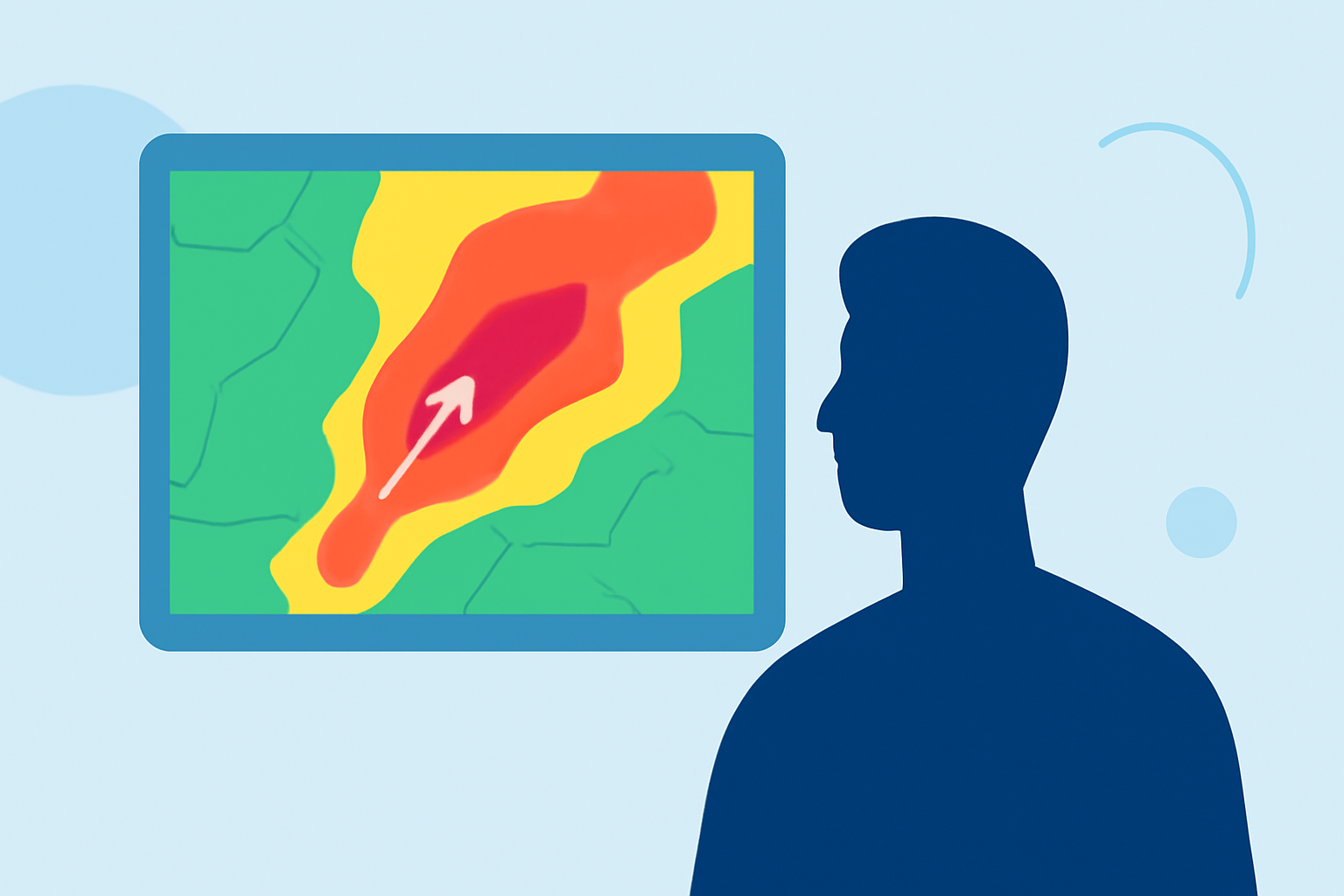
Storm-relative velocity maps are tools that display wind patterns relative to a moving storm, subtracting the storm's motion to reveal internal wind dynamics. While primarily used in meteorology to study severe weather, these maps can offer valuable insights for athletes, particularly in outdoor sports where wind conditions significantly influence performance.
What Are Storm-Relative Velocity Maps?
In meteorology, storm-relative velocity maps adjust wind data to account for the movement of a storm, providing a clearer picture of wind patterns within the storm itself. This adjustment helps in identifying features like rotation or wind shear, which are crucial for understanding storm behavior. For example, the National Weather Service explains that in a Storm Relative Velocity Map (SRM), storm motion is zeroed out so that meteorologists can get a sense of how precipitation is moving with winds inside a storm. (preview.weather.gov)
How Can Athletes Benefit from These Maps?
Athletes can leverage storm-relative velocity maps to assess wind conditions during training and competitions. Understanding wind patterns can help in planning workouts, selecting appropriate gear, and strategizing for events. For instance, in track and field, wind can affect sprint times and jumping distances. By analyzing wind data, athletes can identify optimal conditions for performance and adjust their training accordingly.
Practical Applications in Training
-
Optimizing Training Sessions: By reviewing storm-relative velocity maps, athletes can schedule workouts during periods of favorable wind conditions, enhancing training effectiveness.
-
Event Strategy: In sports like cycling or rowing, where wind resistance plays a significant role, understanding wind patterns can inform race strategies, such as drafting positions or pacing.
-
Equipment Selection: Wind conditions can influence the choice of equipment. For example, in sailing, knowing wind speed and direction is crucial for selecting the appropriate sail.
Limitations and Considerations
While storm-relative velocity maps provide detailed wind information, they are primarily designed for severe weather analysis. Therefore, the data may not always be directly applicable to everyday athletic training scenarios. Additionally, interpreting these maps requires a certain level of expertise in meteorology. Athletes and coaches should consider consulting with meteorological experts or using specialized tools designed for sports applications to make the most of wind data.
Conclusion
Incorporating storm-relative velocity maps into athletic training can offer a nuanced understanding of wind conditions, leading to more informed decisions and potentially improved performance. However, it's essential to recognize the limitations of these maps and seek expert guidance when necessary.
Highlights:
- NWS Little Rock, AR - Storm Relative Velocity Map (SRM), Published on Monday, February 040search11