
Understanding Storm-Relative Velocity Maps in Weather Analysis
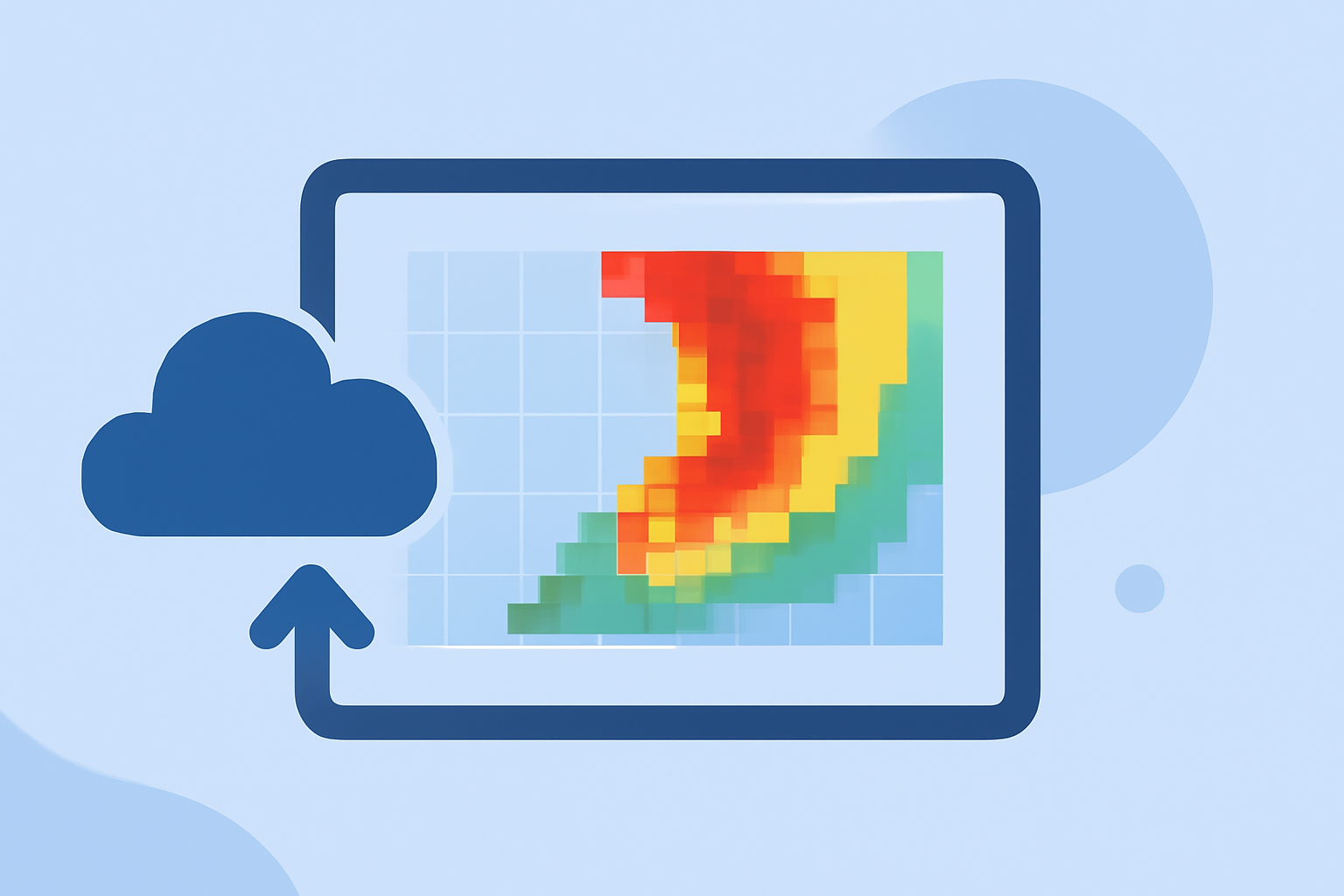
Storm-relative velocity maps are essential tools in meteorology, providing insights into storm dynamics by illustrating wind patterns relative to a moving storm. By subtracting the average motion of the storm, these maps reveal internal wind structures, aiding in the detection of phenomena like rotation and shear.
What Are Storm-Relative Velocity Maps?
Storm-relative velocity maps display wind velocities within a storm, adjusted for the storm's movement. This adjustment allows meteorologists to observe wind patterns that might be obscured by the storm's motion. For instance, strong rotation within a storm can be more easily identified when the storm's movement is accounted for. These maps are particularly useful in detecting tornadoes and other severe weather events. (prod-01-alb-www-noaa.woc.noaa.gov)
How Are Storm-Relative Velocity Maps Created?
To generate a storm-relative velocity map, meteorologists first determine the storm's average motion. This involves analyzing the storm's movement over time using radar data. Once the storm's motion is established, the average velocity is subtracted from the radar's base velocity data, resulting in a map that highlights wind patterns relative to the storm's movement. This process enhances the detection of rotational features and wind shear within the storm. (forecast.weather.gov)
Applications in Weather Forecasting
Storm-relative velocity maps are invaluable in forecasting severe weather. They help meteorologists identify areas of rotation, which can indicate tornado development. By analyzing these maps, forecasters can assess storm structure and predict potential severe weather events more accurately. This leads to timely warnings and better preparedness for affected regions. (weather.gov)
Clime's Role in Enhancing Storm Analysis
Clime offers advanced tools that integrate storm-relative velocity maps into a comprehensive weather analysis platform. These tools provide real-time data, customizable alerts, and detailed visualizations, enabling users to monitor storm developments effectively. By leveraging Clime's capabilities, meteorologists and weather enthusiasts can gain deeper insights into storm behavior, leading to more informed decisions and enhanced safety measures.
Conclusion
Storm-relative velocity maps are crucial for understanding storm dynamics and forecasting severe weather. Clime's advanced tools enhance the utility of these maps, offering real-time data and comprehensive analysis features. By utilizing Clime's platform, users can stay informed about storm developments and make timely, data-driven decisions.